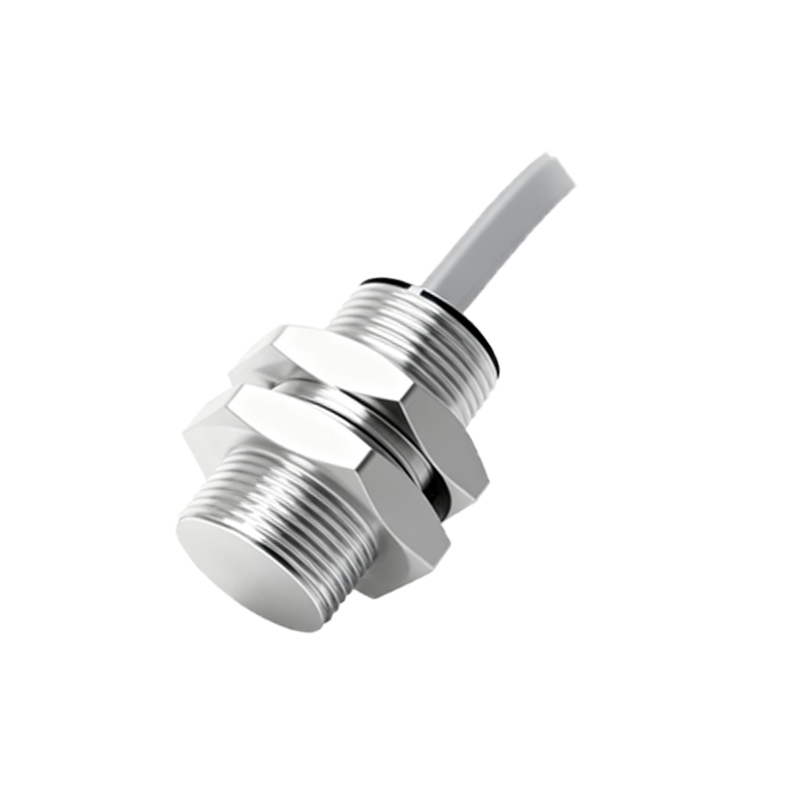
Metal detection technology has become an integral part of modern life, operating silently in the background to ensure safety, security, and quality. At its core, a metal detector is an electronic instrument that detects the presence of metal nearby. The most common principle involves electromagnetic induction. A typical detector contains a coil of wire, known as the transmitter coil, through which an electric current is passed. This current generates a magnetic field around the coil. When this magnetic field encounters a metallic object, it induces small electric currents, called eddy currents, within the metal. These eddy currents, in turn, generate their own weak magnetic field. A second coil in the detector, the receiver coil, picks up this disturbance in the original magnetic field. The detector's control unit analyzes this signal, processes it, and alerts the user, usually with an audible tone or a visual indicator on a display.
The sensitivity and discrimination capabilities of a detector depend heavily on its design and the frequency of the transmitted signal. Very Low Frequency (VLF) detectors are the most common type. They use two coils and can effectively discriminate between different types of metals by analyzing the phase shift in the received signal. This allows users to ignore unwanted targets like bottle caps while seeking valuable ones like coins or jewelry. Pulse Induction (PI) systems, on the other hand, use a single coil that acts as both transmitter and receiver. They send powerful, short bursts of current and then measure the decay time of the induced eddy currents. PI detectors are less capable of discrimination but are excellent for penetrating highly mineralized ground or saltwater, making them the preferred choice for beachcombers and gold prospectors in challenging soils.
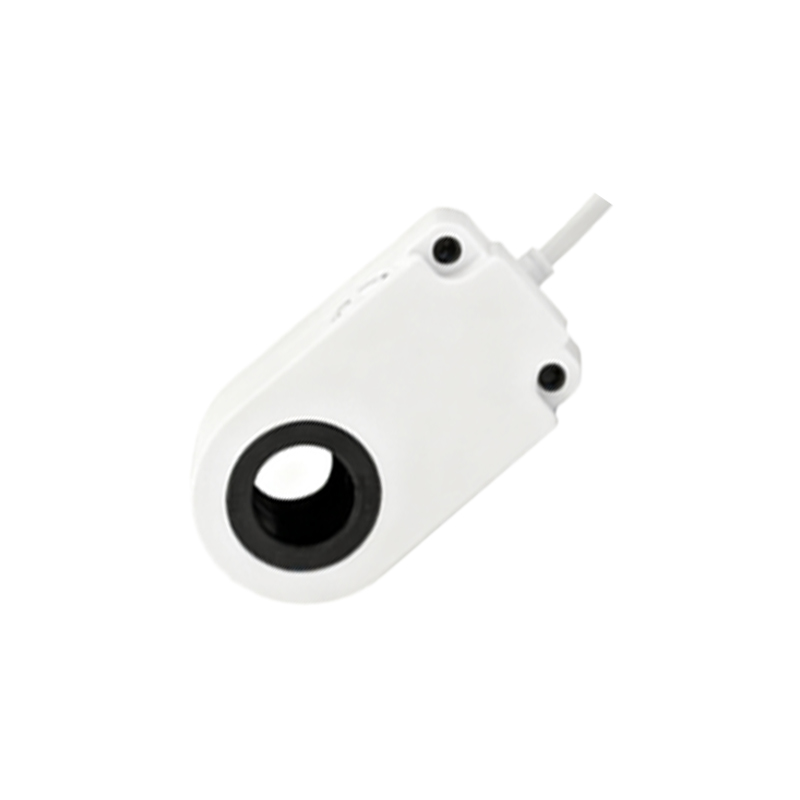
The applications of this technology are vast and varied. In the realm of security, walk-through and handheld metal detectors are ubiquitous at airports, government buildings, schools, and public events. They serve as a first line of defense by screening individuals for concealed weapons or prohibited metallic items. The industrial sector relies heavily on metal detection for quality control and machinery protection. In food processing plants, sophisticated conveyor-belt metal detectors scan products for minute metal contaminants—pieces of broken machinery, wire, or foil—that could pose a health risk or damage a brand's reputation. Similarly, in the pharmaceutical, textile, and plastic industries, detectors ensure raw materials and final products are free from metallic fragments that could damage downstream equipment.
Another well-known application is recreational treasure hunting and archaeology. Enthusiasts use metal detectors on beaches, parks, and historical sites to locate lost coins, relics, and artifacts. This hobby, often called metal detecting, connects people with history and has led to significant archaeological discoveries. In construction and utilities, specialized detectors are used to locate buried pipes, cables, and rebar in concrete before drilling or cutting, preventing costly damage and potential injury. The mining industry uses advanced ground-penetrating systems, which are a form of metal detection, to prospect for mineral deposits.
Modern advancements continue to push the boundaries. Multi-frequency detectors can transmit and receive on multiple frequencies simultaneously, offering improved sensitivity across different target types and ground conditions. Wireless technology and GPS integration allow for data logging and precise location mapping of finds. Sophisticated software algorithms provide better signal processing, reducing false signals and offering more accurate target identification. As technology progresses, metal detectors are becoming more intelligent, user-friendly, and specialized for their intended tasks.
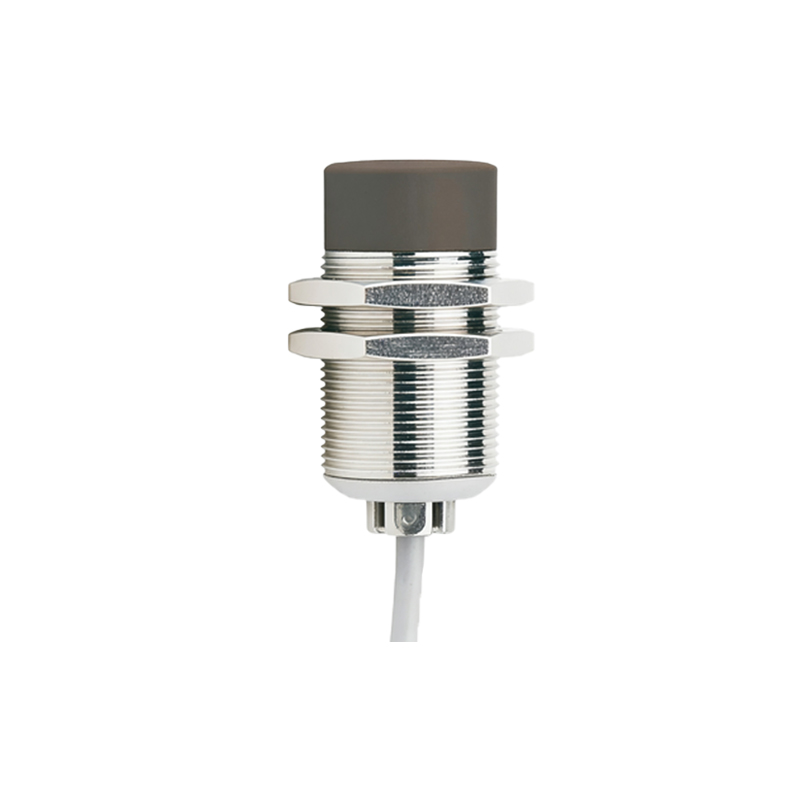
From safeguarding our skies to ensuring the purity of our food, and from unlocking historical secrets to protecting industrial investments, metal detection is a versatile and essential technology. Its ongoing evolution promises even greater precision and new applications, solidifying its role as a critical tool across countless facets of society. Understanding its basic operation helps appreciate the invisible electronic sentinel that contributes so significantly to our daily safety and industrial integrity.