In the world of industrial automation and machine safety, proximity sensors are indispensable components. Among the various configurations, the Normally Open (NO) proximity sensor stands out for its specific operational logic and widespread utility. Understanding its function, advantages, and ideal applications is crucial for engineers, technicians, and procurement specialists.
A Normally Open proximity sensor, in its resting or non-activated state, maintains an open circuit. This means that when no target is within its specified sensing range, the output signal line is electrically disconnected. No current flows through the sensor's output. The key action happens when a target—typically a metal object for inductive sensors, or any material for capacitive sensors—enters the detection field. Upon sensing the target, the sensor's internal switch closes the circuit, allowing current to flow and generating an output signal (e.g., a 24V DC signal) to the connected control system like a PLC (Programmable Logic Controller). This signal indicates "target present."
This behavior is fundamentally different from a Normally Closed (NC) sensor. An NC sensor provides a continuous signal when idle and breaks the circuit when a target is detected. The choice between NO and NC is not about superiority but about application logic and safety design. The NO configuration is often intuitively aligned with the "active on detection" principle, making system logic easier to follow in many control sequences.
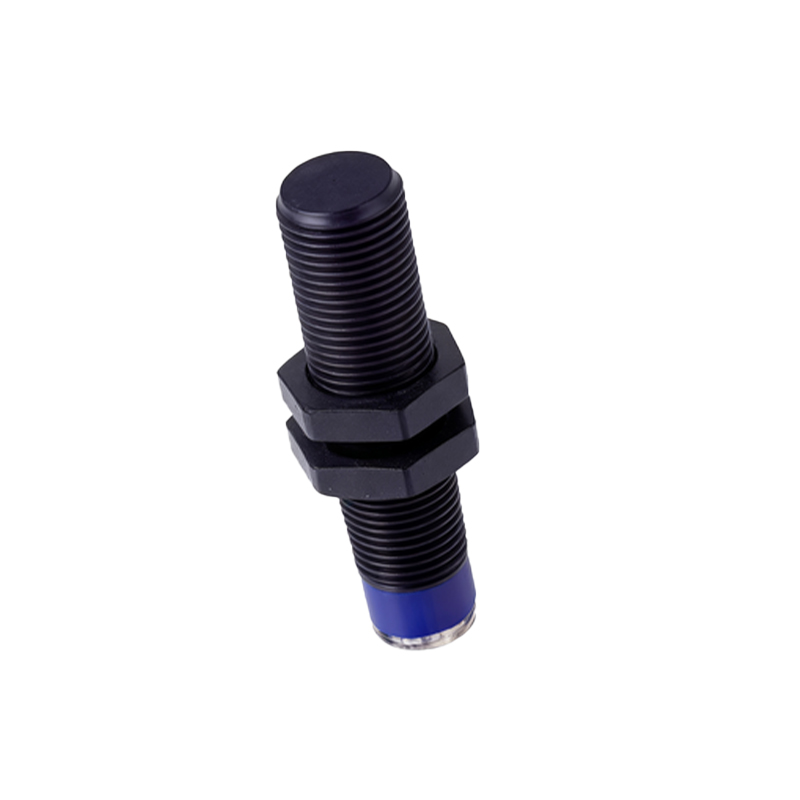
The advantages of Normally Open proximity sensors are significant. Their primary benefit lies in energy efficiency and circuit simplicity in standby mode. Since the output is off when not activated, it consumes minimal power from the control system's supply during idle periods. This can be a factor in large-scale installations with hundreds of sensors. Furthermore, they offer inherent diagnostic potential for wire break detection in safety circuits when combined with monitoring modules, as a broken wire mimics the "no target" state (open circuit), which can be programmed as a fault condition.
Applications for NO sensors are vast and varied. A classic example is in part presence verification on an assembly line. An NO sensor positioned near a fixture will only send a signal to the machine controller when a component is correctly placed, authorizing the next step in the process, such as welding or screwing. They are extensively used in material handling for counting objects on a conveyor; each passing item triggers the sensor, sending a pulse to a counter. In automated packaging, NO sensors detect when a product is in position for sealing or labeling. Another critical use is in non-contact limit switching for machine tools, where an NO sensor can signal when a moving part has reached its intended position without physical contact, reducing wear and tear.
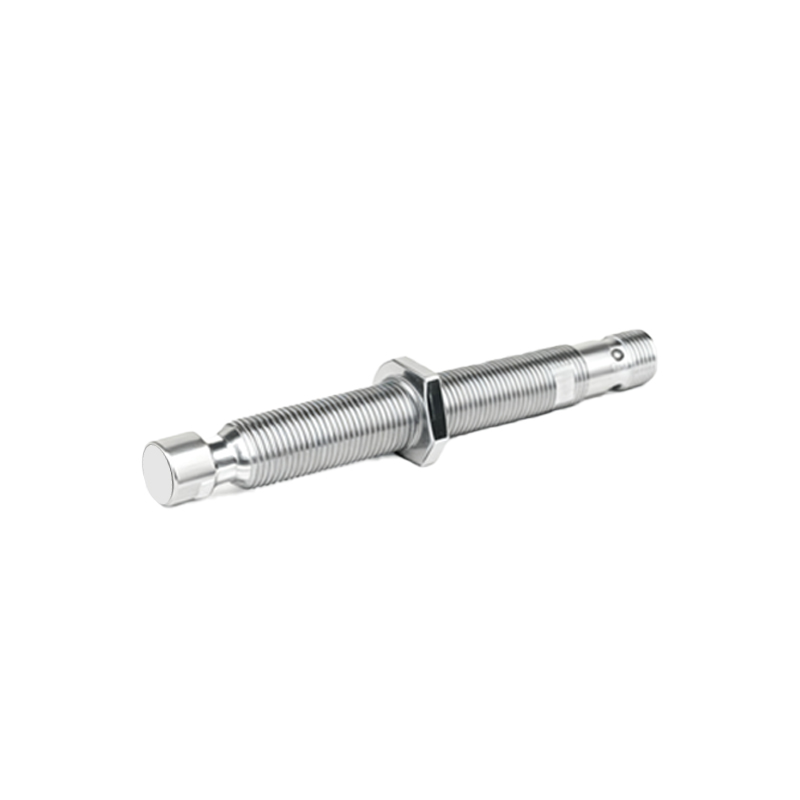
Selecting the right Normally Open proximity sensor requires careful consideration of several parameters. First, determine the sensing technology: Inductive sensors are for detecting metals, capacitive sensors for non-metals (liquids, plastics, wood), and ultrasonic or photoelectric sensors for longer ranges or specific material properties. Sensing range, often denoted as the nominal range (Sn), is critical; always choose a sensor with a range slightly greater than the maximum required air gap to account for installation tolerances and temperature drifts. The output type must match your control input: PNP (sourcing) or NPN (sinking) transistor outputs are standard for DC sensors, while AC models might use relay contacts. Environmental factors like temperature extremes, exposure to chemicals, washdown conditions (requiring high IP ratings like IP67 or IP69K), and potential electrical interference must also guide the housing material and protection rating selection.
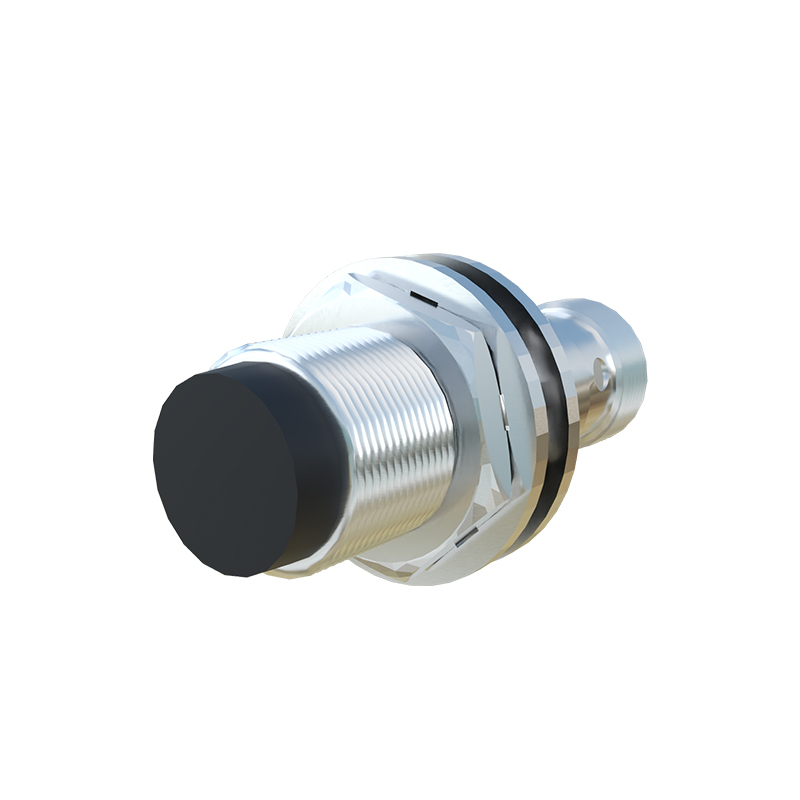
Installation and wiring are straightforward but demand attention. Metal surfaces can influence the sensing field of inductive sensors; manufacturers specify minimum flush-mounting distances to avoid side-effects. Ensuring a stable power supply within the sensor's voltage range is essential. The load (the PLC input or relay) connected to the sensor's output must not exceed its maximum current rating. For troubleshooting, a common best practice is to observe the sensor's built-in LED indicator (if available). In an NO sensor, the LED is typically off when no target is present and illuminates when the target is detected and the output is active.
In conclusion, the Normally Open proximity sensor is a fundamental building block of modern automation. Its "off until activated" operation provides a clear, efficient, and reliable method for detecting object presence and position. By carefully matching the sensor's technology, specifications, and environmental ratings to the application's demands, designers can build robust, maintainable, and safe control systems. As automation evolves, these simple yet intelligent devices will continue to play a pivotal role in enhancing productivity and operational reliability across countless industries.