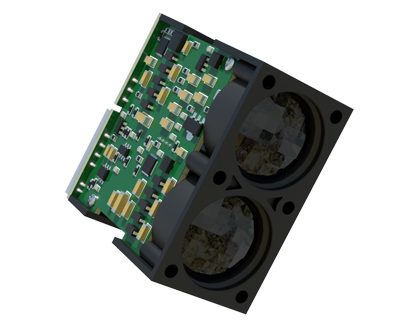
In modern industrial environments, the demand for accurate and reliable color detection has never been higher. Laser color sensors represent a significant advancement in this field, combining the precision of laser technology with sophisticated color analysis capabilities. Unlike traditional color sensors that rely on broad-spectrum LED light sources, laser color sensors utilize a focused, coherent laser beam to illuminate targets. This fundamental difference offers substantial benefits in terms of resolution, signal-to-noise ratio, and the ability to detect minute color variations on challenging surfaces.
The core technology behind a laser color sensor involves emitting a specific wavelength of laser light onto an object. The sensor then analyzes the reflected light using a high-sensitivity photodetector array or a spectrometer. By precisely measuring the intensity and spectral composition of the reflected beam, the sensor can distinguish between colors with exceptional accuracy. This process is often enhanced by advanced algorithms that compensate for ambient light interference, surface texture, and distance variations, ensuring stable readings even in dynamic production settings.
One of the primary applications of laser color sensors is in quality control and sorting on high-speed production lines. For instance, in the pharmaceutical industry, they are used to verify the correct color-coding of pills and capsules, a critical step for patient safety. In electronics manufacturing, these sensors inspect components, such as resistors, by reading their color bands to confirm correct values. The food and beverage sector employs them to sort products like fruits, nuts, or candies based on ripeness or quality grades defined by color. The laser's focused spot allows for inspection of very small or intricately shaped items that would be difficult for other sensor types.
Another key advantage is their performance in long-range detection. The collimated nature of laser light minimizes dispersion over distance, enabling reliable color measurement from several meters away. This is particularly useful in logistics for reading color-coded labels on packages moving rapidly on conveyor belts or in automated storage and retrieval systems. Furthermore, the high intensity of the laser spot provides a strong return signal from low-reflectivity or dark-colored surfaces, which often pose challenges for standard RGB sensors.

When integrating a laser color sensor into a system, several factors must be considered. The choice of laser wavelength is crucial; common options include red (e.g., 650 nm), green (532 nm), or blue-violet (405 nm) lasers, each interacting differently with various materials and colors. The sensor's field of view, sampling rate, and communication protocols (such as IO-Link, Ethernet/IP, or Profinet) must align with the application's requirements. Proper calibration against master samples is essential for maintaining long-term accuracy.
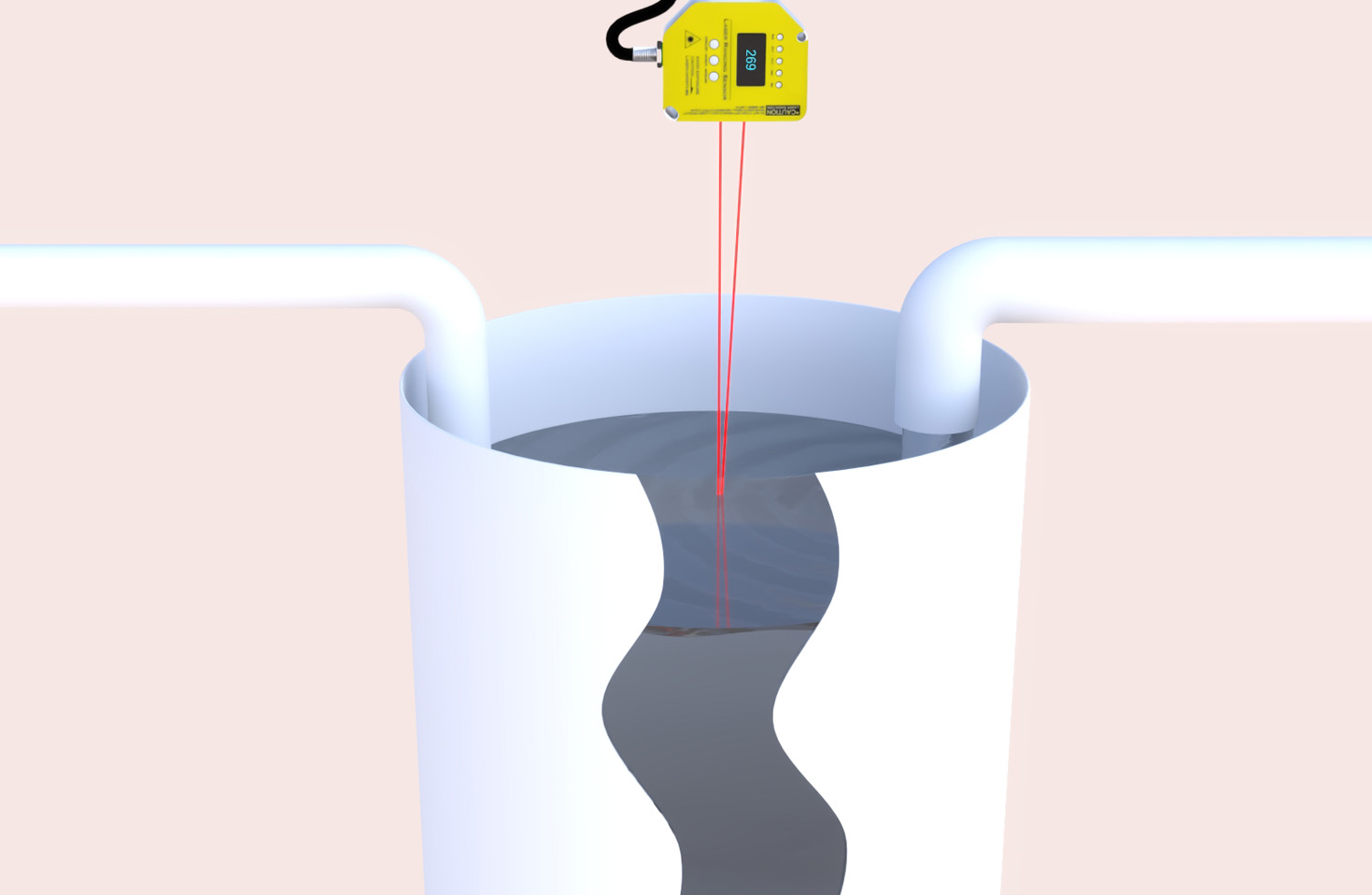
Despite their higher initial cost compared to LED-based sensors, laser color sensors offer a compelling return on investment through reduced error rates, less material waste, and lower maintenance needs. Their durability and resistance to environmental factors like dust or mild vibrations make them suitable for harsh industrial conditions. As Industry 4.0 and smart factory concepts evolve, these sensors are increasingly becoming integral nodes in interconnected systems, providing valuable color data for process optimization and traceability.
Looking ahead, ongoing developments in laser diode technology, miniaturization, and machine learning integration promise to expand the capabilities of laser color sensors. Future iterations may offer even greater spectral resolution, faster processing speeds, and adaptive learning features for handling complex multi-color patterns. By delivering unmatched precision in non-contact color measurement, laser color sensors continue to be a pivotal technology driving automation, quality assurance, and efficiency across diverse manufacturing and processing industries.