In the realm of industrial automation, robotics, and consumer electronics, proximity sensors are indispensable components. They detect the presence or absence of an object without physical contact, enabling countless automated processes. A critical, yet often overlooked, aspect of selecting the right sensor is understanding its "class" or performance grade. This classification is not about brand tiers but about standardized performance specifications that define a sensor's reliability, accuracy, and suitability for specific environments and tasks.
At its core, the concept of proximity sensor classes stems from international standards, most notably those defined by organizations like the International Electrotechnical Commission (IEC). These standards establish rigorous testing criteria to categorize sensors based on their operational characteristics and immunity to environmental interference. The primary goal is to provide engineers and system designers with a clear, objective framework for comparison, ensuring that a sensor chosen for a safety-critical application in a factory, for instance, possesses the necessary robustness, unlike one used in a benign office environment.
The classification typically revolves around several key performance parameters. First is the operating distance. A sensor's rated sensing range is specified under ideal conditions. However, classes define tolerances for this distance. A higher-class sensor will have a tighter tolerance, meaning its actual sensing distance will deviate less from the nominal value across production batches and over time, ensuring consistent machine positioning. Second is temperature influence. Industrial environments experience wide temperature swings. Sensor classes specify how much the sensing distance is allowed to change per degree Celsius of temperature variation. A Class 1 sensor might have a significant drift, while a Class 3 sensor is designed to be highly stable across its entire operating temperature range.
Perhaps the most significant differentiator between classes is electromagnetic compatibility (EMC). Industrial settings are electrically noisy, filled with electromagnetic interference from motors, welders, and communication devices. A low-class sensor might malfunction or give false triggers when exposed to such noise, leading to production stoppages or safety hazards. Higher-class sensors are built with superior shielding and circuit design to withstand specified levels of electrostatic discharge (ESD), burst pulses, and radio frequency interference. They continue to operate reliably when other devices might fail.
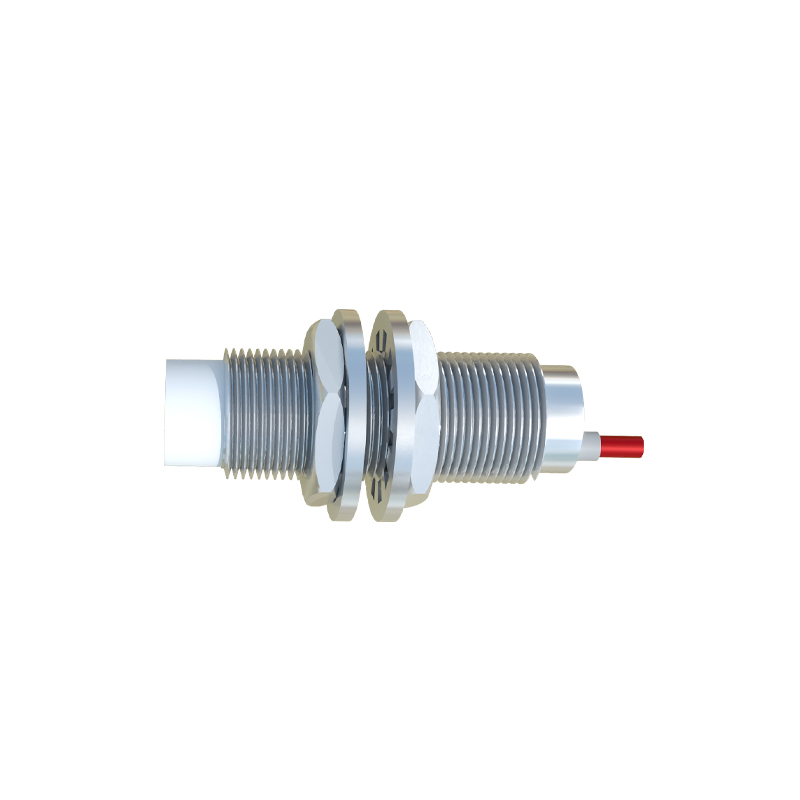
Another crucial aspect is housing and environmental resistance. This is often indicated by an IP (Ingress Protection) rating alongside the performance class. However, the class system can also encompass specifications for resistance to shock, vibration, and humidity. A sensor destined for a washdown area in a food processing plant or mounted on a heavy vibrating machine requires a class denoting high mechanical and environmental resilience.
So, what do these classes look like in practice? While nomenclature can vary by manufacturer and standard (e.g., IEC 60947-5-2 for inductive sensors), a common scheme is:
Class 1: Standard performance. Suitable for basic applications with stable environmental conditions and no significant electrical noise. Common in simple automation and consumer products.
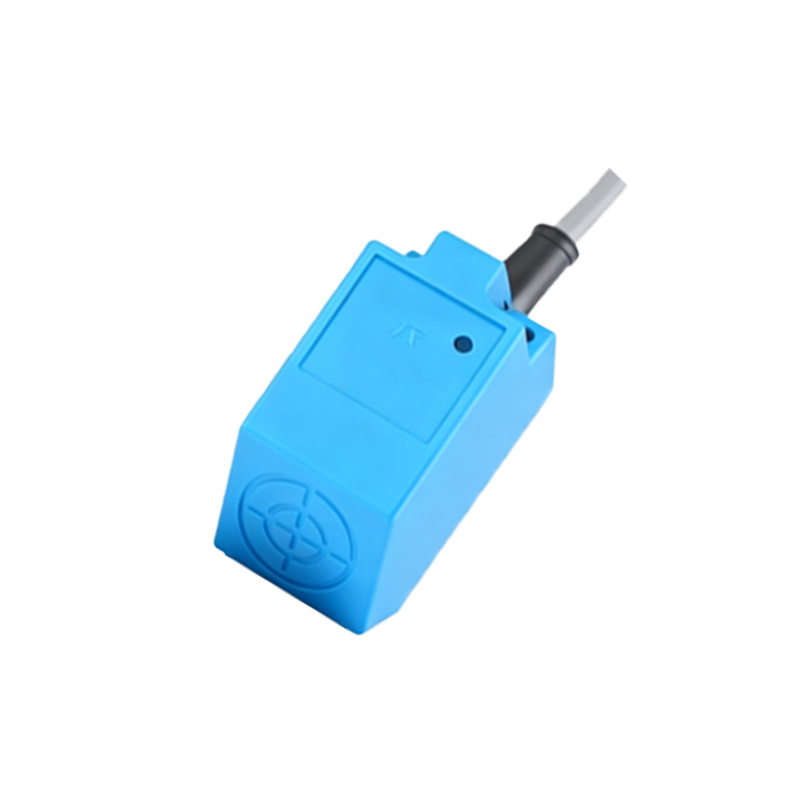
Class 2: Enhanced performance. Offers better temperature stability and moderate noise immunity. A versatile choice for general industrial use where some interference is present.
Class 3 (or sometimes Class 1X, 2X in specific standards): High performance. Features minimal temperature drift and high immunity to electromagnetic interference. Designed for critical applications in harsh industrial environments, such as automotive manufacturing, metalworking, and safety systems where false signals are unacceptable.
Selecting the wrong class can be costly. Using a Class 1 sensor in a high-noise welding cell may lead to intermittent faults that are difficult to diagnose, causing downtime and scrap. Conversely, specifying a premium Class 3 sensor for a simple paper-feed mechanism is an unnecessary expense. The key is to perform a thorough application analysis. Consider the operating environment's temperature range, the presence of sources of EMI, the required mechanical durability, and the criticality of the sensing function to the overall process safety and efficiency.
In conclusion, proximity sensor classes are a fundamental specification, not a marketing term. They provide a standardized language for evaluating sensor performance beyond the basic sensing range and output type. By understanding and applying the principles of sensor classification, designers and maintenance professionals can make informed decisions, optimize system reliability, reduce lifecycle costs, and ensure that their automated systems perform as intended, day in and day out, regardless of the challenges posed by the real-world operating environment. Always consult the specific manufacturer's datasheets, which should clearly state compliance with relevant standards and the associated performance class.