In the realm of industrial automation, precision, reliability, and durability are non-negotiable. Tokyo proximity switch sensors have established themselves as critical components in this landscape, offering unparalleled performance in detecting the presence or absence of objects without physical contact. These non-contact sensors operate on various principles, primarily inductive, capacitive, and magnetic, making them indispensable in environments where mechanical wear, contamination, or high-speed operation are concerns.
The core technology behind Tokyo proximity sensors lies in their ability to generate an electromagnetic field. An inductive sensor, for instance, detects metallic objects by disturbing this field. When a metal target enters the sensing range, it causes a change in the oscillation amplitude within the sensor's coil, triggering a solid-state output switch. This design eliminates the need for moving parts, resulting in a significantly longer operational lifespan compared to mechanical limit switches. Tokyo manufacturers have refined this technology to achieve exceptional sensing distances, often exceeding industry standards, while maintaining high resistance to electrical noise and environmental interference.
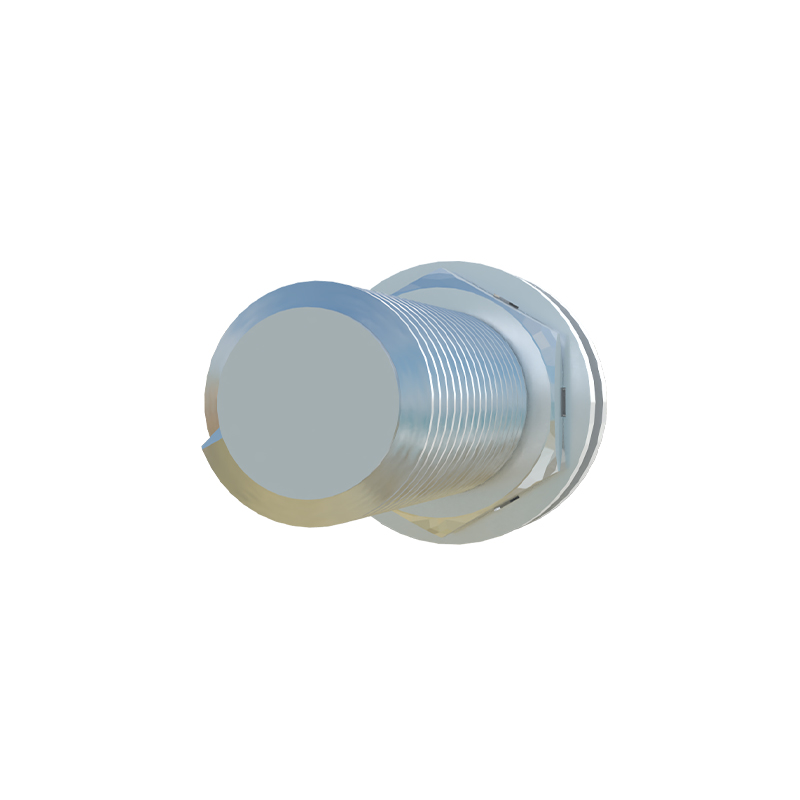
Durability is a hallmark of these sensors. Housed in robust materials such as stainless steel, nickel-plated brass, or engineered plastics, they are built to withstand harsh industrial conditions. This includes exposure to cutting fluids, coolants, metal chips, extreme temperatures, and high-pressure washdowns. The IP67 and IP68 ratings commonly found on Tokyo proximity switches guarantee protection against dust ingress and temporary or prolonged immersion in water, ensuring consistent performance in demanding applications like automotive manufacturing, food and beverage processing, and packaging machinery.
Another key advantage is their versatility. Tokyo proximity sensors come in a vast array of shapes, sizes, and form factors. From miniature cylindrical sensors for tight spaces to rectangular block types for heavy-duty applications, and even specialized models with built-in amplifiers or analog outputs for distance measurement, the product range caters to virtually any need. This flexibility allows engineers to integrate them seamlessly into complex machinery for tasks such as position verification, end-of-travel detection, counting, and speed monitoring.
Installation and maintenance simplicity further contribute to their widespread adoption. These sensors are typically two-wire or three-wire devices designed for easy connection to programmable logic controllers (PLCs) and other control systems. The LED status indicator provides immediate visual confirmation of operation and diagnostics, reducing downtime during setup and troubleshooting. Their long-term stability means they require minimal recalibration, translating to lower total cost of ownership over their service life.
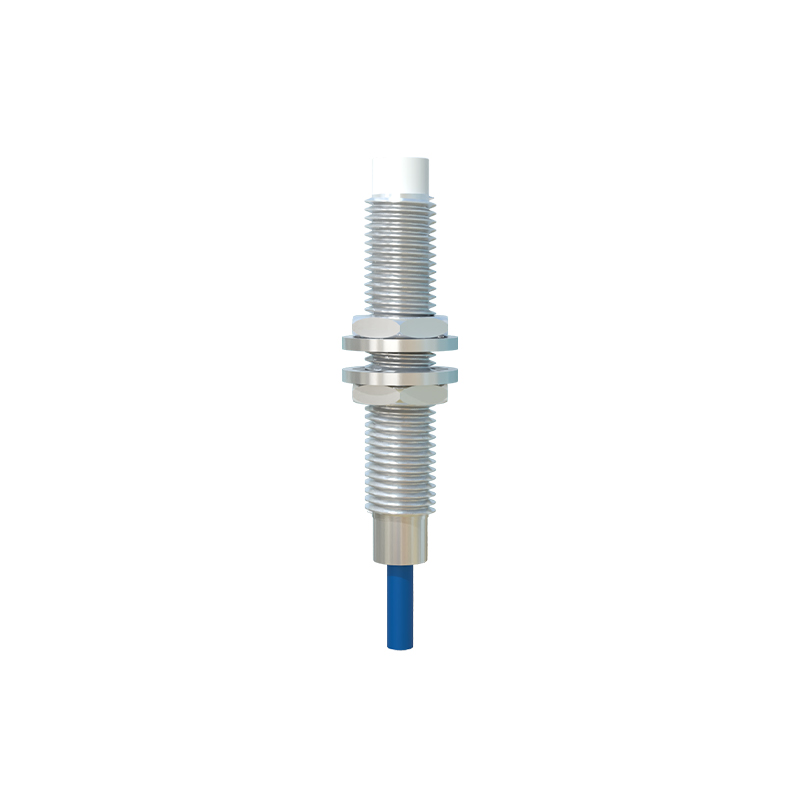
In modern smart factories and Industry 4.0 setups, the role of Tokyo proximity sensors is evolving. They are increasingly equipped with IO-Link communication capabilities. This digital interface transforms a simple binary switch into an intelligent device that can transmit detailed parameter and process data to higher-level control systems. This enables predictive maintenance, remote configuration, and enhanced process monitoring, allowing for more agile and data-driven production environments.
When selecting a Tokyo proximity switch sensor, several factors must be considered. The sensing distance, target material, operating voltage, output type (NPN or PNP), and environmental specifications must align with the application requirements. Proper shielding is also crucial in applications involving different metals to ensure accurate and repeatable detection.
In conclusion, Tokyo proximity switch sensors represent a fusion of sophisticated engineering and practical design. Their non-contact operation, exceptional resilience, and adaptive functionality make them a cornerstone of efficient and reliable industrial automation. By providing accurate and consistent object detection, they enhance machine safety, optimize production cycles, and contribute significantly to the overall productivity and quality control of manufacturing processes worldwide. As automation continues to advance, these sensors will undoubtedly remain at the forefront, evolving to meet the ever-increasing demands for precision and connectivity.