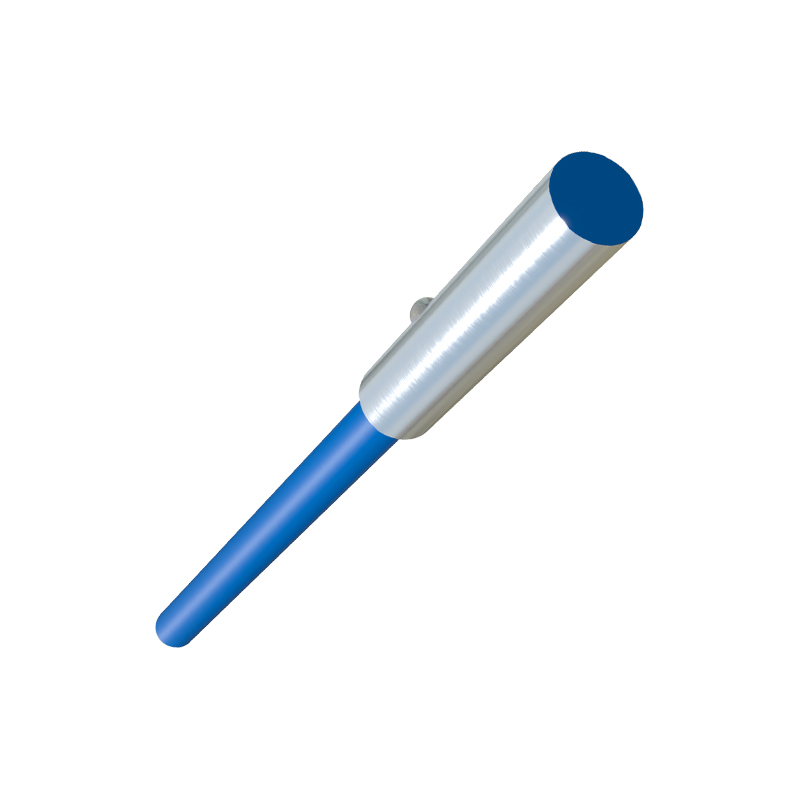
In industrial automation and machinery, ensuring operator safety is paramount. Safety proximity switches play a critical role in this domain, acting as non-contact sensors that detect the presence or absence of an object within a specific range without physical contact. Unlike standard proximity sensors, safety-rated versions are designed, certified, and built to meet stringent international safety standards such as IEC 60947-5-3, IEC 62061, and ISO 13849-1. Their primary function is to prevent hazardous machine motion or initiate a safe state when a person or object enters a dangerous area.
The core principle behind a safety proximity switch is similar to its standard counterpart, often utilizing inductive, capacitive, or magnetic sensing technologies. Inductive sensors, for instance, generate an electromagnetic field and detect changes caused by metallic objects. However, the distinction lies in the internal architecture. Safety proximity switches incorporate redundant circuits, self-monitoring features, and cross-circuit diagnostics. This means the device continuously checks its own health and the integrity of its wiring. If a fault is detected—such as a wire short circuit, open circuit, or internal component failure—the switch immediately triggers a safety shutdown, outputs a diagnostic signal, and enters a safe state. This fail-safe behavior is crucial for applications where a sensor failure could lead to severe injury.
Key features that define a safety proximity switch include high diagnostic coverage (DC), a high Safety Integrity Level (SIL) or Performance Level (PL), and a positive-guided safety relay output. The Positive Guided (or Force-Guided) relay contacts are mechanically linked to ensure that if a normally closed contact welds shut, the normally open contact cannot close, guaranteeing a safe output state. These switches are typically characterized by their robust housing, often made of metal or high-grade plastic, providing resistance to vibration, shock, and harsh environmental conditions like coolants, oils, and metal chips.
Applications for safety proximity switches are widespread across manufacturing. A common use is in safeguarding robotic work cells. Sensors are positioned around the perimeter to detect if a worker reaches into the cell, instantly stopping the robot's arm. They are integral to safety interlocking on machine guards and doors; opening a guarded door breaks the sensor's field, halting the machine. In automated guided vehicle (AGV) systems, they serve as bumpers or presence detectors to prevent collisions. They are also used in press brakes, injection molding machines, and packaging equipment to ensure tools are in a safe position before a cycle begins or to monitor the correct placement of parts.
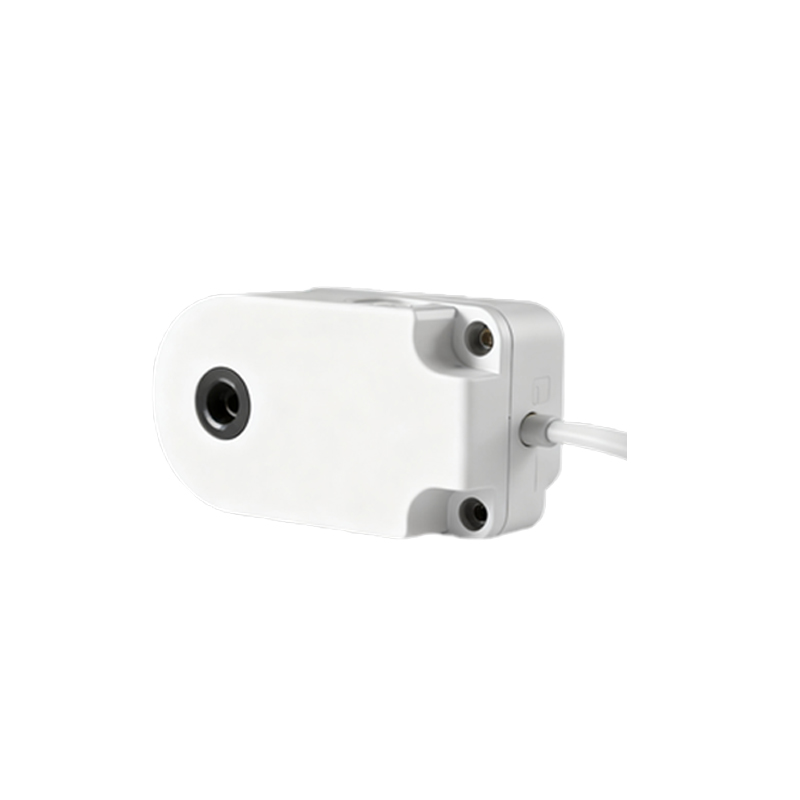
Selecting the right safety proximity switch requires careful consideration. Engineers must evaluate the required sensing distance, the material of the target object (ferrous metal, non-ferrous metal, etc.), the environmental conditions, and the necessary safety certification level (e.g., SIL 2, SIL 3, PL d, PL e). The mounting style (flush, non-flush, threaded barrel) and output type (PNP/NPN) must also match the control system's requirements. It is vital to integrate these devices into a overall safety circuit, which typically includes a safety controller or relay that evaluates the signals from one or more switches.
Installation and maintenance follow strict protocols. Wiring must be done according to the manufacturer's guidelines, often using shielded cables to prevent electromagnetic interference. Regular functional testing is mandatory to verify the switch and the entire safety function are operating correctly. This testing checks not only the normal operation but also the response to simulated fault conditions.
In conclusion, safety proximity switches are specialized, intelligent devices that form the first line of defense in modern machine safety. They provide reliable, non-contact detection with built-in fault detection, moving beyond simple sensing to active risk prevention. Their adoption is a fundamental aspect of creating compliant, productive, and safe industrial environments, protecting both personnel and equipment from harm. As automation advances, the role of these critical safety components will only become more sophisticated and essential.