Proximity sensor switches represent a fundamental category of non-contact detection devices integral to modern industrial automation, robotics, and smart systems. Unlike mechanical limit switches, these sensors detect the presence or absence of an object within a specified range without any physical contact. This principle of operation eliminates mechanical wear, ensures high reliability, and enables extremely fast response times, making them indispensable in high-speed or delicate applications.
The core technology hinges on various physical principles, leading to distinct sensor types. Inductive proximity sensors are the workhorses for detecting metallic objects. They generate an electromagnetic field; when a metal target enters this field, it induces eddy currents within the target, which in turn dampens the sensor's oscillation. This change is detected and converted into a solid-state output signal, typically switching a load on or off. These sensors are robust, resistant to environmental contaminants like dust or oil, and are ideal for machine tools, automotive assembly, and material handling.
For non-metallic targets, including liquids, plastics, wood, and glass, capacitive proximity sensors are employed. They function by generating an electrostatic field. Any object with a dielectric constant different from air will alter the capacitance of the sensor's circuit upon approach. This detectable change triggers the output. This makes them perfect for level detection in tanks, presence detection of packaging materials, and touch-sensitive interfaces.
Magnetic proximity sensors, often referred to as reed switches or Hall-effect sensors, detect permanent magnets. They are commonly used for detecting the position of cylinders (via a magnet embedded in the piston) or in safety door interlocks. Photoelectric sensors, while sometimes categorized separately, also function as proximity devices using light beams (visible, infrared, or laser). They offer the longest detection ranges and can sense virtually any material, but their performance can be affected by environmental factors like dirt, fog, or ambient light.
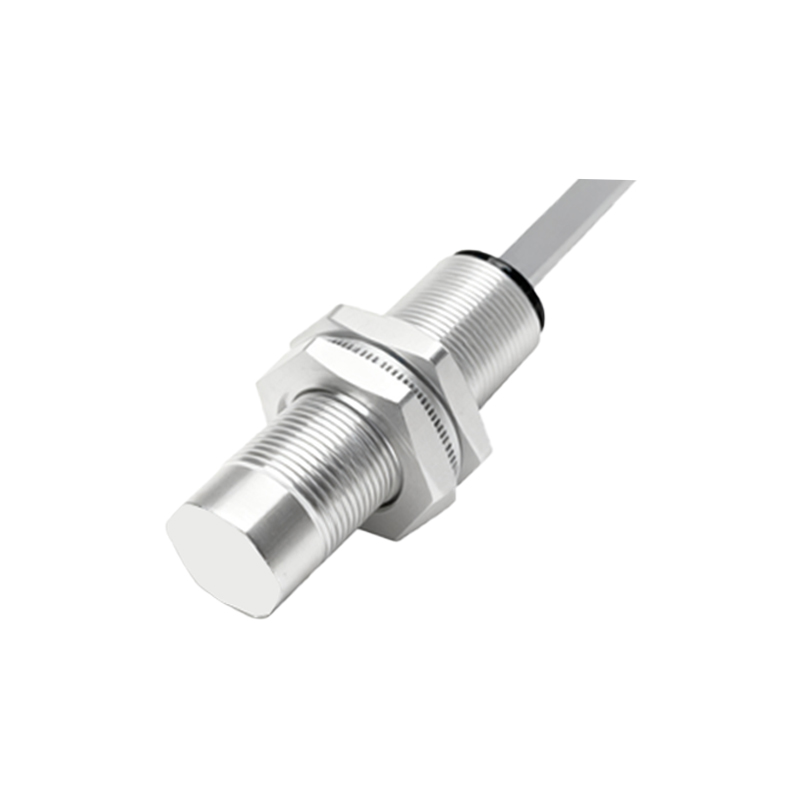
The process of "detection" involves more than just sensing presence. Key performance parameters define a sensor's capability. The sensing distance, or nominal range, is specified for a standard target. Factors like target size, material, and temperature can affect this distance. Hysteresis is a critical feature—it is the difference between the switch-on point (when the target approaches) and the switch-off point (when it retreats). This prevents output chatter or rapid switching if the target vibrates or stops right at the sensing edge, ensuring stable operation.
Electrical output types are primarily PNP (sourcing) or NPN (sinking) for DC models, and AC/DC options are available. The output is a clean, bounce-free signal compatible with programmable logic controllers (PLCs), counters, and other control systems. Modern sensors also incorporate advanced diagnostics via LED indicators, IO-Link communication for parameterization and data exchange, and enhanced resistance to electromagnetic interference (EMI) and voltage spikes.
Installation and application require careful consideration. Sensors must be mounted correctly, respecting flush-mount or non-flush-mount specifications, especially for inductive types. Mutual interference can occur if multiple sensors are placed too close together, requiring adequate spacing. The choice of housing material (e.g., stainless steel for harsh environments, PTFE-coated for welding areas) is crucial for longevity.
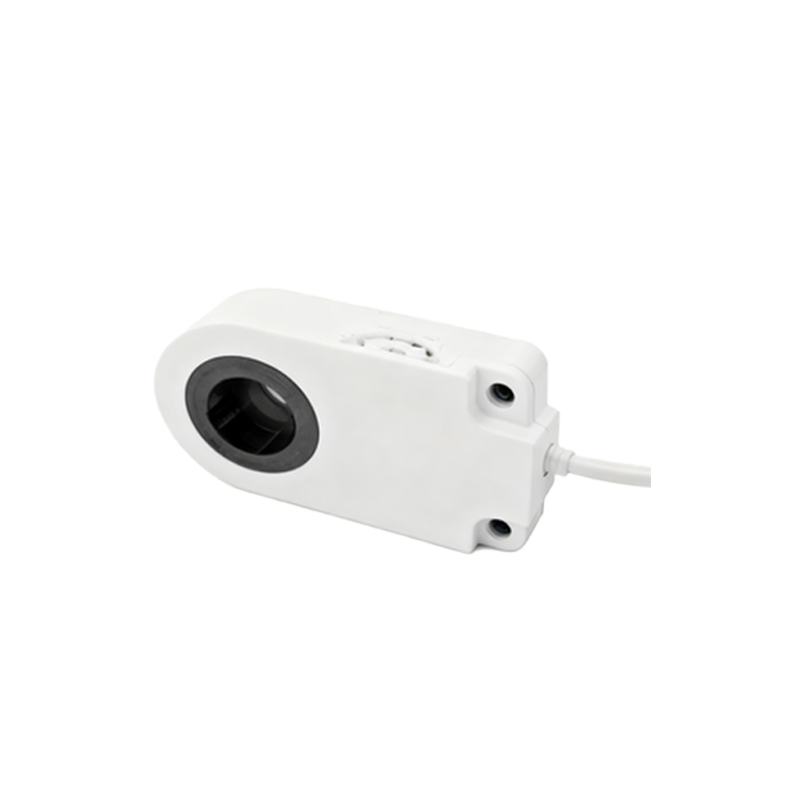
Applications are vast and cross-industry. In automotive manufacturing, they count parts, verify robot arm positions, and confirm door closures. In packaging, they ensure correct bottle cap placement and carton flap folding. On conveyor systems, they detect jams and control sorting gates. In the realm of consumer electronics, they enable touchless faucets and smartphone screen blanking during calls. The evolution towards Industry 4.0 sees these sensors not just as switches but as data points, providing information on machine cycle times, part counts, and predictive maintenance cues through smart sensor platforms.
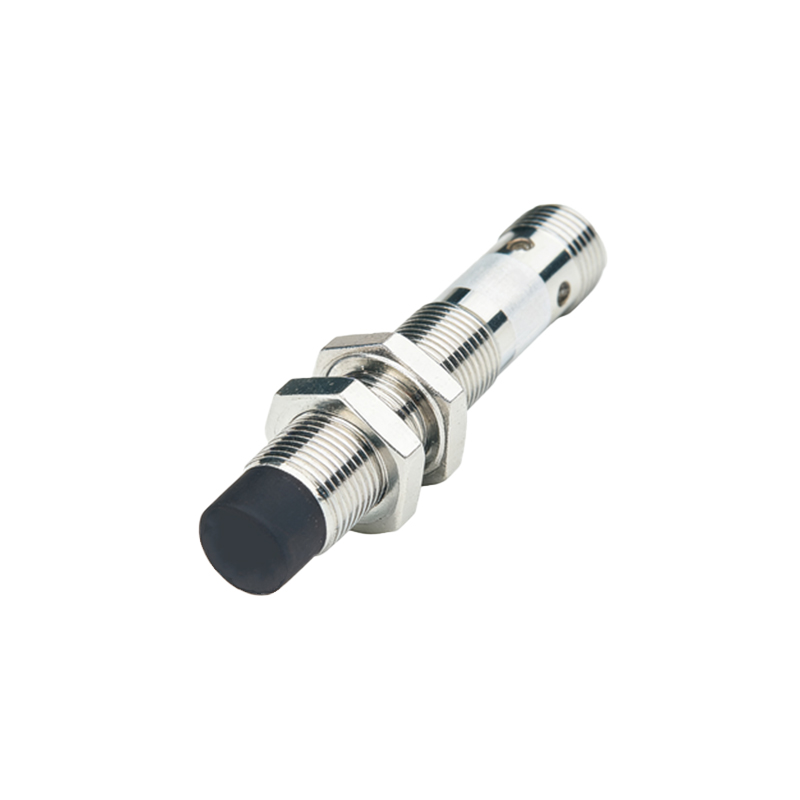
In summary, proximity sensor switch detection is a mature yet continuously evolving field. The selection of the appropriate technology—inductive, capacitive, magnetic, or photoelectric—depends entirely on the target material, required sensing distance, environmental conditions, and application needs. Their non-contact nature, durability, and precision form the silent, unseen backbone of automated and efficient production, ensuring processes are safer, faster, and more reliable.