The laser sensor angle represents a critical parameter in the operational framework of laser-based measurement and detection systems. It fundamentally dictates the direction, coverage, and precision of the laser beam emitted from the sensor, thereby influencing the entire data acquisition process. Understanding this concept is not merely an academic exercise but a practical necessity for engineers, technicians, and system designers working across automation, robotics, metrology, and safety applications.
At its core, the laser sensor angle refers to the angular orientation or field of view from which the sensor emits its coherent light and subsequently receives the reflected signal. This can be broken down into several key angular components: the emission angle, the reception angle, and the total field-of-view (FOV) angle. The emission angle defines the divergence of the laser beam as it leaves the sensor. A narrow emission angle results in a concentrated, high-intensity beam suitable for long-range, high-precision measurements, such as in surveying or long-distance LiDAR. Conversely, a wide emission angle creates a broader, fan-shaped beam ideal for area scanning, presence detection, or obstacle avoidance in robotics, where covering a larger zone is more critical than pinpoint accuracy.
The reception angle, often aligned with but not always identical to the emission angle, determines the sensor's sensitivity to reflected light from various directions. Sophisticated sensors are designed with specific angular acceptance profiles to filter out ambient noise and stray reflections, ensuring that only signals from the intended direction are processed. The interplay between emission and reception angles defines the sensor's effective working cone and its ability to resolve details within a scene.
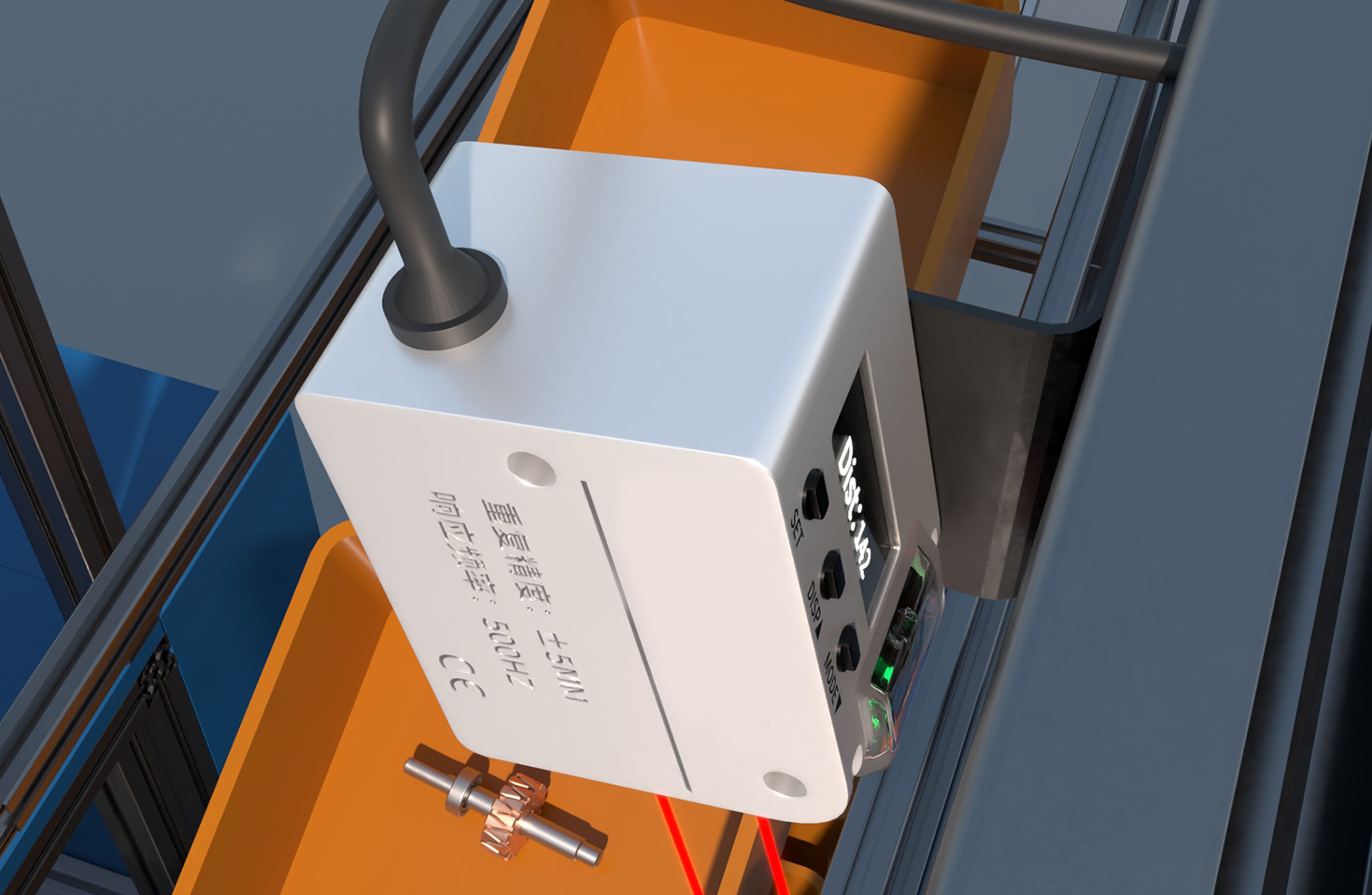
The practical implications of the laser sensor angle are vast. In industrial automation, for instance, the correct angular setup of a laser displacement sensor on a production line determines whether it can accurately measure the thickness of a moving sheet of metal or the profile of a welded seam. An incorrectly calibrated angle can lead to measurement shadows, missed data points, or aliasing errors, resulting in product defects. In autonomous vehicles, the vertical and horizontal angular resolution of LiDAR sensors is paramount. A dense angular scan (narrow spacing between laser pulse angles) creates a high-resolution point cloud, allowing the vehicle's AI to distinguish between a pedestrian, a cyclist, and a street sign. A wider, coarser angular scan might miss critical details, compromising safety.

Furthermore, the angle is intrinsically linked to other sensor specifications. The effective measurement range is often angle-dependent; a sensor might have a 10-meter range when measuring perpendicular to a surface, but this range shrinks significantly at a grazing incidence angle due to signal attenuation and speckle noise. The accuracy and repeatability specifications provided in datasheets are typically valid for a defined angular alignment, usually normal (90 degrees) to the target. Operating outside this optimal angular window degrades performance.
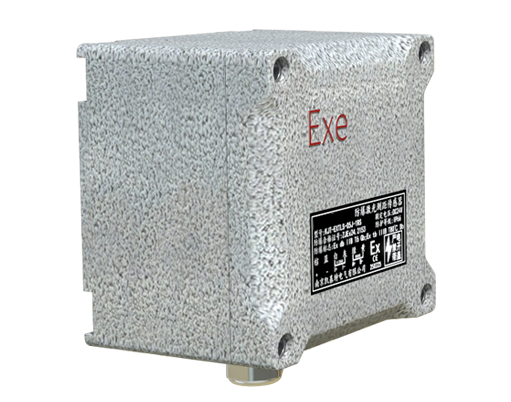
Selecting the appropriate laser sensor angle is a system design decision. It involves trade-offs. A fixed, narrow-angle sensor offers high precision for a specific task. A sensor with an adjustable or programmable scanning angle, such as those using rotating mirrors or MEMS systems, provides flexibility but at increased cost and complexity. Environmental factors also play a role: in dusty or foggy conditions, a narrower angle might penetrate better than a wide, scattered beam.
In conclusion, the laser sensor angle is a foundational geometric property that governs the functional envelope of the device. It is not a standalone specification but a key that unlocks correct integration and application. Mastery of its principles enables the deployment of laser sensing technology that is reliable, accurate, and fit-for-purpose, from the confines of a laboratory to the dynamic challenges of an outdoor industrial site. Future advancements in beam steering and adaptive optics will likely provide even finer control over this parameter, pushing the boundaries of what laser sensors can perceive and measure.