Water level proximity sensors are essential components in modern industrial and environmental monitoring systems. These devices detect the presence or absence of water at specific points without direct contact, ensuring reliability and longevity in various applications. The working principle of water level proximity sensors revolves around several key technologies, each suited to different environments and accuracy requirements.
Capacitive proximity sensors operate based on changes in capacitance. When a sensor is installed near a water container, it forms one plate of a capacitor, with the container wall or air acting as the dielectric. As water level rises or falls, the dielectric constant changes, altering the capacitance. The sensor's circuitry detects this change and triggers an output signal. This method is effective for non-metallic containers and offers high sensitivity, making it ideal for applications like water tanks in residential or agricultural settings.
Ultrasonic sensors use sound waves to measure water level. A transducer emits high-frequency ultrasonic pulses toward the water surface. When these pulses hit the surface, they reflect back to the sensor. By calculating the time difference between emission and reception, the sensor determines the distance to the water level. This non-contact method is highly accurate and suitable for large-scale systems such as reservoirs or wastewater treatment plants, where minimal maintenance is desired.

Optical sensors rely on light refraction or reflection principles. Typically, an infrared LED and a phototransistor are housed in a probe. When the probe is in air, light reflects internally within the probe. Upon submersion in water, the light refracts outward, reducing the internal reflection. The phototransistor detects this change, signaling water presence. These sensors are compact and used in appliances like coffee makers or industrial pumps for point-level detection.
Conductive sensors employ electrodes to sense water levels through electrical conductivity. Two or more probes are placed at different heights. When water contacts the probes, it completes an electrical circuit, allowing current to flow. The controller interprets this as a level indication. Simple and cost-effective, conductive sensors are common in sump pumps and boilers, though they require regular cleaning to prevent fouling.
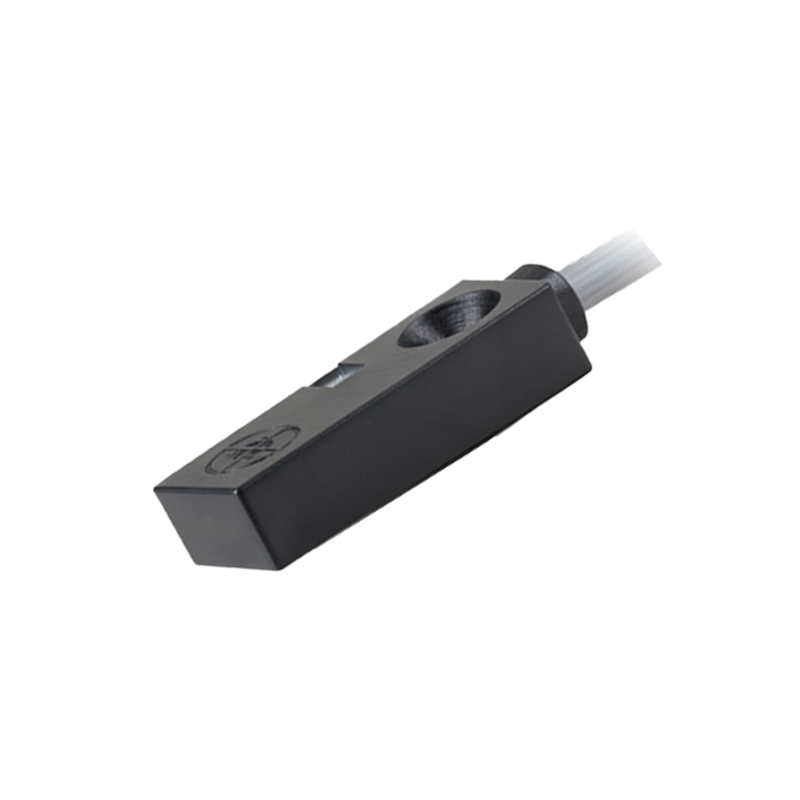
Magnetic float sensors integrate a float with a permanent magnet that moves along a guide tube. Inside the tube, reed switches are positioned at set levels. As the float rises with water, the magnet activates the switches, sending signals. This robust design handles high pressures and temperatures, often applied in industrial tanks and chemical processing.
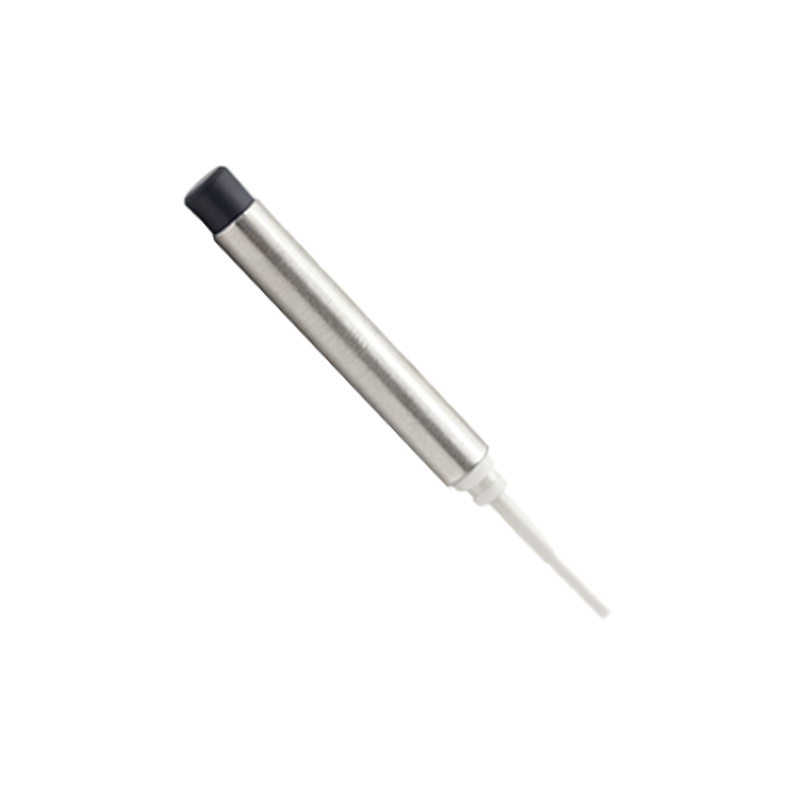
Each technology has distinct advantages. Capacitive sensors excel in dirty or foamy conditions, while ultrasonic variants offer continuous monitoring without physical contact. Optical sensors provide precise point-level control, and conductive types are economical for basic applications. Magnetic float sensors ensure durability in harsh environments.
In practice, selecting a water level proximity sensor depends on factors like medium properties, container material, required accuracy, and environmental conditions. Proper installation and calibration are crucial to avoid false readings. For instance, ultrasonic sensors may need shielding from wind or debris, whereas capacitive sensors require adjustment for different liquid types.
Maintenance involves periodic cleaning and verification against reference levels. Advances in IoT integration now enable real-time data transmission to control systems, enhancing automation in water management. From household appliances to large-scale infrastructure, water level proximity sensors play a pivotal role in ensuring efficiency, safety, and conservation. Their non-contact nature minimizes wear, contributing to sustainable operations across industries.
Understanding these principles helps in optimizing system design and troubleshooting, ultimately supporting reliable water resource management in an increasingly automated world.