In the world of automation and smart technology, devices often need to sense their surroundings without physical contact. This is where the proximity sensor comes into play. A proximity sensor is an electronic device designed to detect the presence or absence of nearby objects without any physical contact. It emits an electromagnetic field or a beam of radiation, such as infrared light, and looks for changes in the field or return signal. The object being sensed is often referred to as the target.
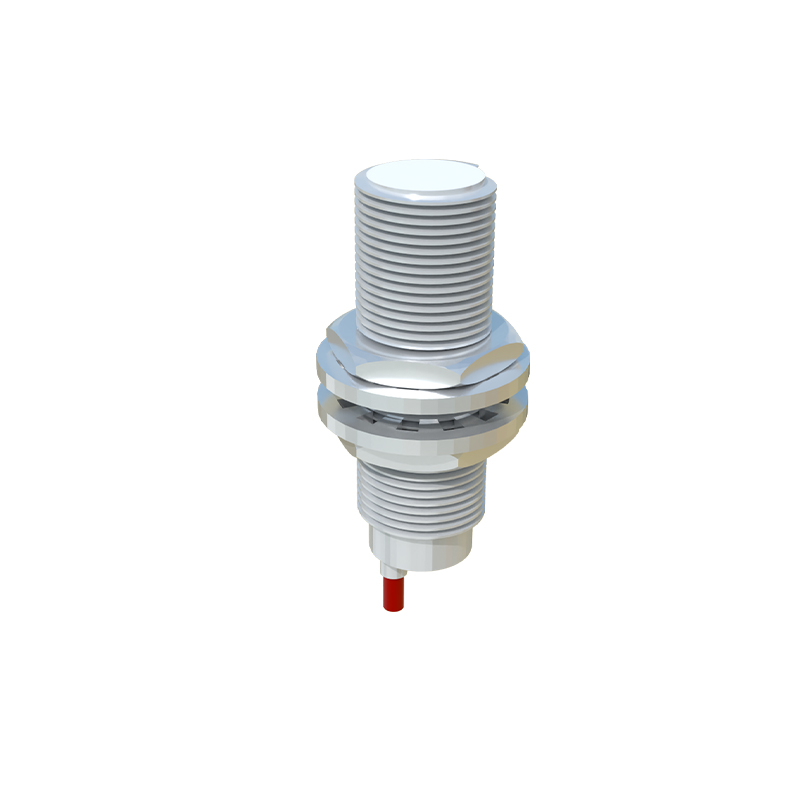
The core principle behind most proximity sensors is relatively straightforward. They work by emitting a signal and then monitoring for any alteration caused by an intruding object. Different types of sensors use different physical principles to achieve this. For instance, inductive proximity sensors generate an oscillating electromagnetic field. When a metallic object enters this field, it induces eddy currents within the metal, which in turn causes a change in the oscillation amplitude. The sensor's circuitry detects this change and triggers a switch. These sensors are excellent for detecting metals but are ineffective for non-metallic materials.
Another common type is the capacitive proximity sensor. This sensor can detect both metallic and non-metallic objects, including liquids, powders, and plastics. It operates by generating an electrostatic field. When any object with a dielectric constant different from air enters this field, it alters the capacitance of the system. The sensor monitors this capacitance change to determine the presence of an object. This makes capacitive sensors versatile for various applications, such as liquid level detection or sensing through non-metallic containers.
Photoelectric sensors, often used for proximity detection, utilize a light beam, typically infrared. They consist of an emitter and a receiver. In one common configuration, the emitted light beam is reflected off the target back to the receiver. The sensor detects the interruption or reflection of this beam. These sensors can work over longer distances and are suitable for detecting a wide range of materials, regardless of their metallic properties.
Ultrasonic proximity sensors function similarly to sonar. They emit high-frequency sound waves and evaluate the echo that is received back. By calculating the time interval between sending the signal and receiving the echo, the sensor can determine the distance to an object. This technology is effective for detecting objects of various compositions and is often used in challenging environments where dust, moisture, or color variations might interfere with other sensor types.
The applications of proximity sensors are vast and integral to modern industry and daily life. In manufacturing and assembly lines, they are crucial for position detection, counting objects, and ensuring machine safety by detecting the presence of operators in hazardous zones. In the automotive industry, they are used for parking assistance systems, often heard as the beeping sound when reversing close to an obstacle. Consumer electronics heavily rely on them; for example, smartphones use proximity sensors to turn off the screen during a phone call when held close to the ear, saving power and preventing accidental touch inputs. They are also found in retail for automatic doors, in robotics for navigation and obstacle avoidance, and in home appliances like touchless faucets and paper towel dispensers.
Choosing the right proximity sensor depends on several factors. The material of the target object is paramount—whether it's metal, plastic, liquid, or something else. The required sensing distance, or range, is another critical consideration. Environmental conditions such as temperature, humidity, and the presence of contaminants like oil or dust can significantly impact sensor performance and longevity. The output type needed, such as a simple digital on/off signal or an analog signal proportional to distance, also guides the selection process. Finally, physical factors like the sensor's size and mounting requirements must align with the application's design.
One of the greatest advantages of proximity sensors is their reliability and longevity. Since they operate without physical contact with the target, there is no mechanical wear and tear on the sensor itself or the object being detected. This leads to a long operational life and minimal maintenance. They are also capable of high-speed operation, detecting objects rapidly as they pass by, which is essential in fast-paced industrial environments. Furthermore, their ability to function in harsh conditions—resistant to water, oil, and vibrations—makes them indispensable in rugged industrial settings.
In summary, a proximity sensor is a fundamental component that gives machines and devices a basic sense of "touch" at a distance. By converting the presence or absence of an object into an electrical signal, they form a critical link between the physical world and automated control systems. From ensuring safety on a factory floor to adding convenience to a smartphone, these small but powerful devices silently enable the seamless interaction between technology and our environment, driving efficiency and innovation across countless fields.