In the realm of industrial automation, reliable and precise object detection is a cornerstone of operational efficiency and safety. Datalogic, a global leader in automatic data capture and industrial automation, offers a comprehensive range of proximity sensors engineered to meet these critical demands. These devices are fundamental components in countless applications, from manufacturing and packaging to material handling and logistics. Unlike traditional mechanical limit switches, Datalogic proximity sensors perform non-contact detection, eliminating physical wear and tear and ensuring long-term reliability. They operate by emitting an electromagnetic field or a beam of electromagnetic radiation, typically infrared light, and detecting changes in the field or return signal when a target object enters their sensing range. This technology allows for high-speed, repeatable detection of metals, plastics, liquids, and other materials without any physical interaction.
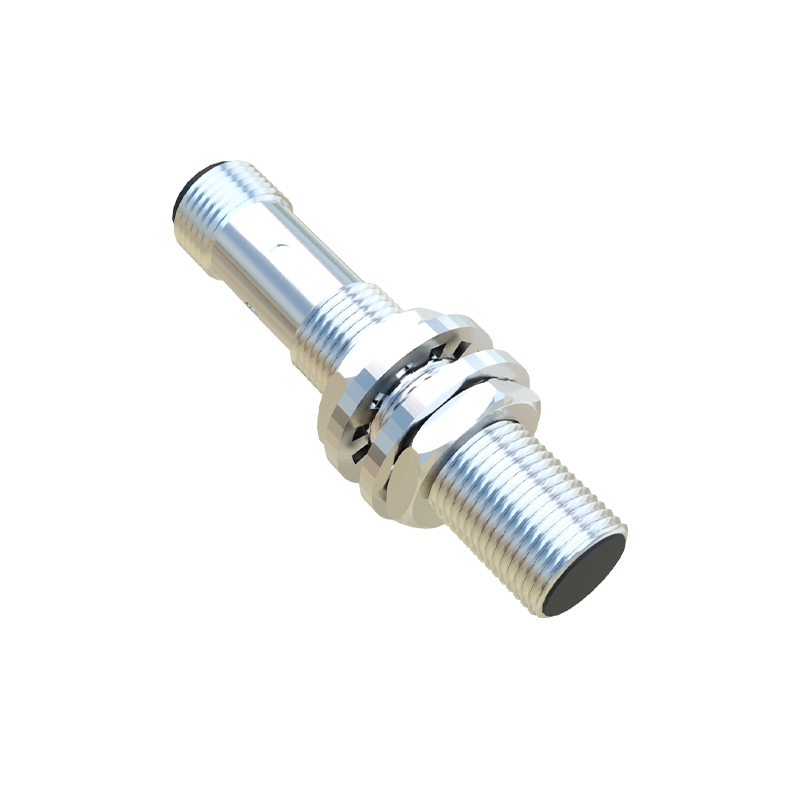
Datalogic's proximity sensor portfolio is diverse, catering to various industrial needs. Inductive sensors are specifically designed for detecting metallic objects. They are exceptionally robust, resistant to harsh environments involving dust, moisture, and vibrations, making them ideal for metalworking, machine tooling, and automotive assembly lines. Capacitive sensors, on the other hand, can detect both metallic and non-metallic materials, including liquids, powders, glass, and wood. This versatility is crucial in industries like food and beverage, pharmaceutical, and chemical processing, where detecting the level of materials inside non-metallic containers is essential. Furthermore, Datalogic provides specialized photoelectric sensors that utilize light beams for detection over longer ranges. These are subdivided into through-beam, retro-reflective, and diffuse models, each with distinct advantages for specific applications such as conveyor belt monitoring, bottle counting, or pallet positioning.
The engineering behind Datalogic sensors emphasizes not just functionality but also durability and ease of integration. Housings are often constructed from stainless steel or high-grade plastics with ingress protection (IP) ratings like IP67 or IP69K, safeguarding against water jets, washdowns, and particulate contamination. This makes them suitable for demanding environments, including cleanrooms and outdoor applications. Many models feature LED status indicators for quick visual confirmation of operation and alignment, significantly reducing setup time and maintenance efforts. Advanced versions incorporate IO-Link communication, a growing standard in Industry 4.0, enabling digital parameter setting, real-time diagnostics, and seamless integration into smart factory networks for predictive maintenance and data analytics.
Selecting the right Datalogic proximity sensor involves careful consideration of several technical parameters. The sensing range, defined as the maximum distance at which the sensor can reliably detect a standard target, is primary. Environmental factors such as ambient temperature, potential exposure to chemicals, and electrical noise interference must also be evaluated. The output type—whether NPN or PNP transistor, or a relay contact—must be compatible with the programmable logic controller (PLC) or other control system in use. Datalogic provides detailed datasheets and application guides, supported by a global network of technical experts, to assist engineers in making the optimal choice for their specific scenario.
In practice, the benefits of deploying Datalogic proximity sensors translate directly to tangible operational improvements. They enhance machine safety by ensuring parts are correctly positioned before a process cycle begins, preventing costly collisions and damage. In automated assembly, they verify the presence or absence of components, maintaining product quality. On packaging lines, they control the flow of items, ensuring precise filling and labeling. Their reliability minimizes unplanned downtime, while their speed supports higher production throughput. By providing a critical layer of sensing intelligence, these devices form the invisible nervous system of modern automated facilities, enabling precise, efficient, and safe control of machinery and processes. As industries continue to evolve towards greater connectivity and autonomy, the role of dependable, high-performance sensors like those from Datalogic will only become more pivotal.