In the world of industrial automation and precision measurement, selecting the right sensing technology is critical for operational efficiency, safety, and cost-effectiveness. Two of the most prominent and widely used technologies are laser sensors and ultrasonic sensors. While both serve the fundamental purpose of non-contact detection and measurement, their underlying principles, capabilities, and ideal applications differ significantly. Understanding these differences is key to making an informed decision for any specific project or system integration.
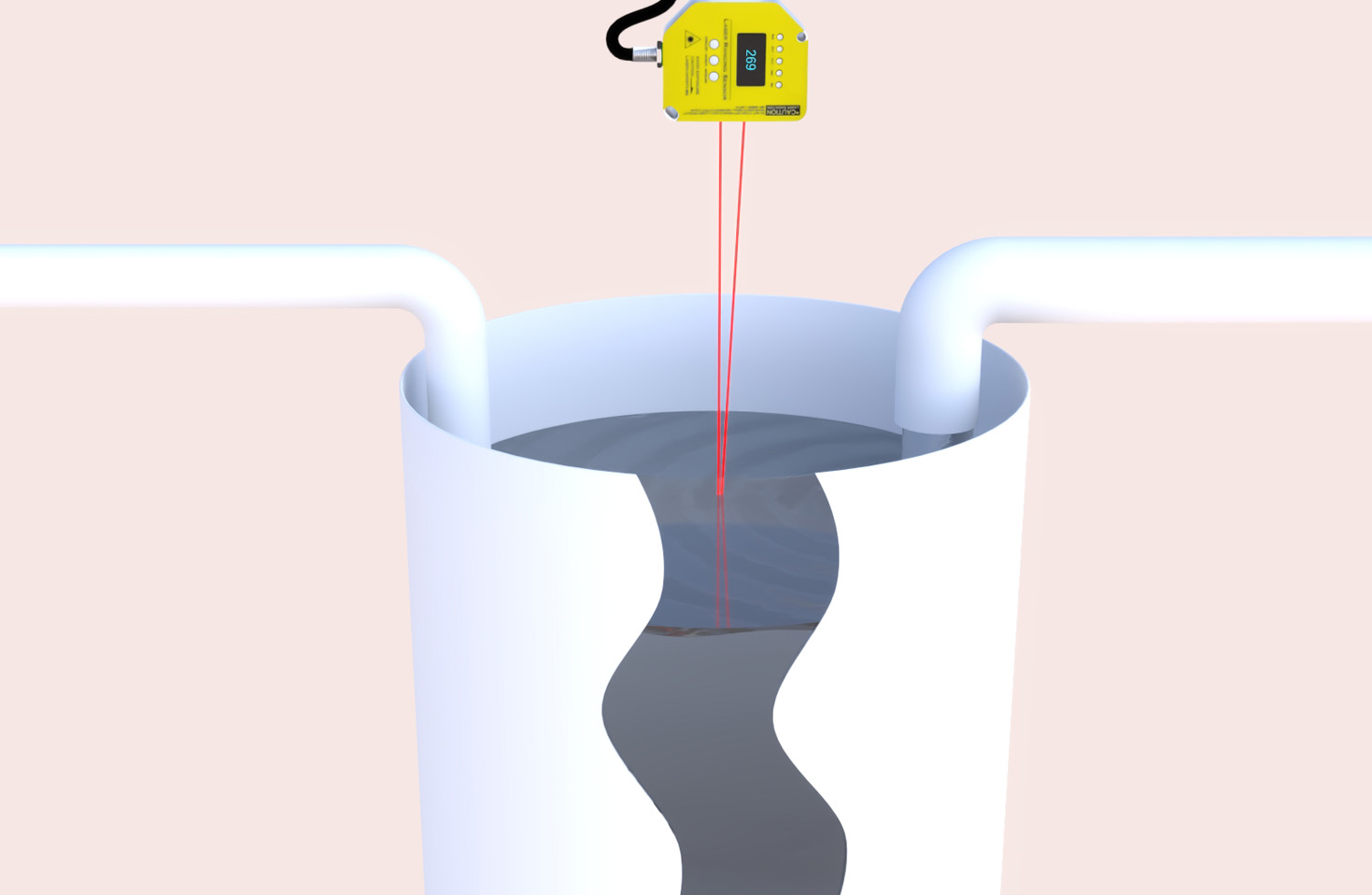
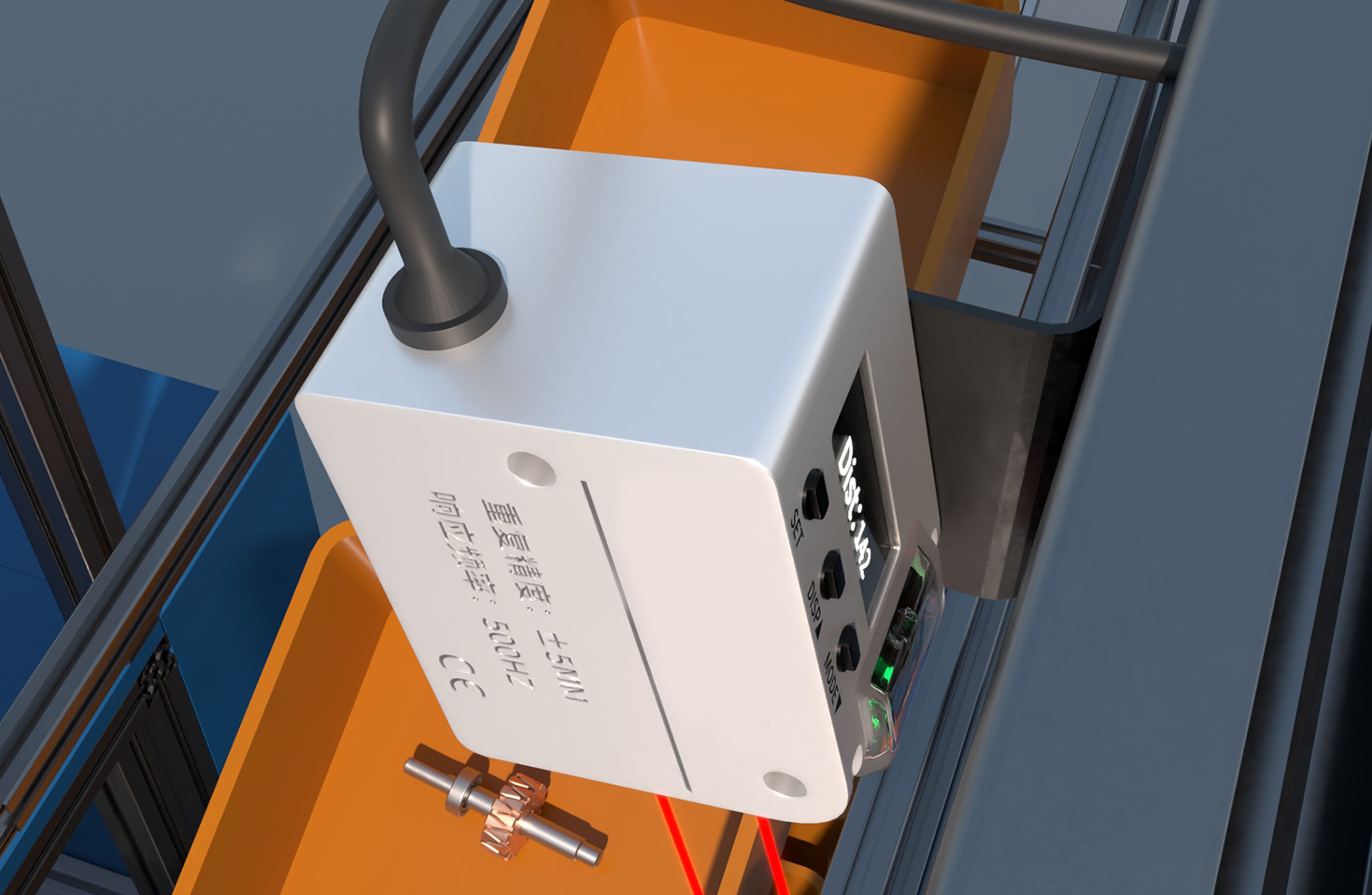
Laser sensors operate on the principle of optical triangulation or time-of-flight measurement using a focused beam of coherent light. They emit a laser beam towards a target, and the reflected light is captured by a receiver. By analyzing the properties of the reflected beam—such as the angle of return or the time it takes to return—the sensor can calculate precise distance, position, or profile information. This technology offers exceptional accuracy, often down to micrometer levels, and provides a very small, well-defined measurement spot. Laser sensors excel in applications requiring high precision, such as measuring tiny component dimensions, detecting minute surface defects, or guiding robotic arms in assembly tasks. They are largely unaffected by ambient sound or air currents. However, their performance can be compromised by certain target properties; transparent, highly reflective, or absorbent materials can scatter or fail to reflect the beam adequately. Additionally, they are generally more sensitive to environmental contaminants like dust, fog, or steam, which can obstruct the light path.
On the other hand, ultrasonic sensors utilize sound waves at frequencies above the human hearing range (typically between 20 kHz and several hundred kHz). They work by emitting a burst of ultrasonic pulses and then listening for the echo reflected from a target. The distance to the object is calculated based on the time elapsed between the emission and the reception of the echo, known as the time-of-flight principle. A major advantage of ultrasonic sensors is their robustness and versatility. They are unaffected by the color, transparency, or reflectivity of a target, making them suitable for detecting a vast array of materials, including liquids, glass, and textured surfaces. They can also penetrate dust, vapor, and non-foamy liquids to some extent. This makes them ideal for applications like liquid level control in tanks, presence detection in dirty environments, and parking assistance systems. However, their measurement spot is generally larger and more diffuse than a laser's, leading to lower resolution and accuracy. Their performance can also be influenced by factors like temperature and air turbulence, which affect the speed of sound, and they may struggle with soft, sound-absorbing materials or in environments with heavy background noise.
When comparing the two, several key factors come into play. For precision and resolution, laser sensors are the undisputed choice. If the application involves measuring thickness, checking part alignment, or conducting high-speed profile scans, a laser sensor is often necessary. For example, in semiconductor manufacturing or precision engineering, laser sensors are indispensable. Conversely, for robustness and material versatility, ultrasonic sensors hold the advantage. Tasks such as monitoring bulk material levels in silos, detecting transparent bottles on a conveyor, or providing collision avoidance for automated guided vehicles (AGVs) in unstructured environments are well-suited for ultrasonic technology.

Cost is another consideration. Generally, basic ultrasonic sensors tend to have a lower initial cost than their laser counterparts. However, the total cost of ownership must include factors like reliability, maintenance needs, and the potential cost of measurement errors. Laser sensors, while more expensive upfront, can prevent costly defects in high-precision manufacturing. Environmental conditions decisively steer the choice. A clean, controlled environment favors laser sensors. A harsh, dirty, or variable environment—with dust, moisture, or wide temperature swings—often necessitates an ultrasonic sensor.
In conclusion, there is no universal "best" sensor. The choice between a laser sensor and an ultrasonic sensor is a classic trade-off between precision and robustness. Engineers and system integrators must carefully evaluate the specific requirements of their application: the required accuracy, the nature of the target material, the environmental conditions, and budget constraints. In some advanced systems, these sensors are even used complementarily, with each handling the tasks for which it is optimally designed. By thoroughly understanding the strengths and limitations of both laser and ultrasonic sensing technologies, businesses can implement solutions that enhance productivity, ensure quality, and drive innovation in an increasingly automated world.