In the world of industrial automation, manufacturing, and countless electronic devices, the ability to detect the presence or absence of an object without physical contact is a fundamental requirement. This crucial task is performed by two closely related components: proximity sensors and proximity switches. While the terms are often used interchangeably, understanding their nuances, working principles, and applications is key to selecting the right technology for any given task.
At its core, a proximity sensor is a device that detects the presence of a nearby object, typically referred to as the target. It does this by emitting an electromagnetic field or a beam of radiation, such as infrared light, and then looking for changes in the field or the return signal. The key characteristic is that it provides a continuous output signal that varies with the distance to the target. This analog output can be used to gauge not just presence, but also position, speed, or even the composition of the object. Common types include inductive sensors (for metals), capacitive sensors (for both metals and non-metals like liquids or plastics), ultrasonic sensors (using sound waves), and photoelectric sensors (using light beams).
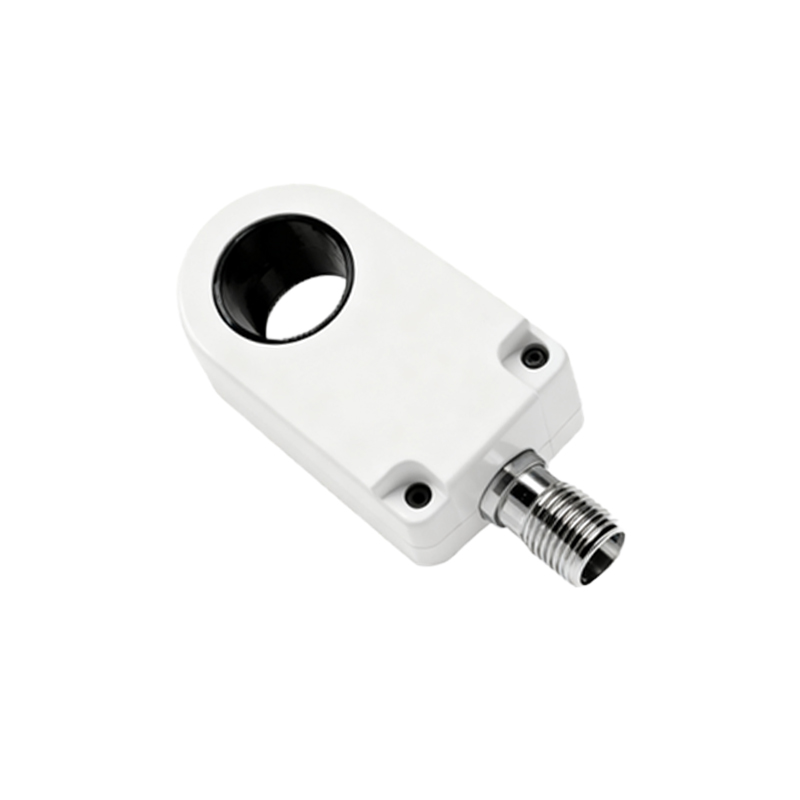
A proximity switch, on the other hand, is a specific type of proximity sensor configured to act as a binary switch. Its primary function is to provide a simple ON/OFF signal when an object enters or leaves its detection range. It does not measure distance; it merely indicates whether the target is within a predefined sensing distance. The output is typically a digital signal that can directly control a relay, a programmable logic controller (PLC) input, or an alarm. In essence, all proximity switches are proximity sensors, but not all proximity sensors are configured as simple switches. The "switch" terminology emphasizes its role in control circuits.
The working principle varies by technology. Inductive proximity sensors generate an oscillating electromagnetic field. When a metallic target enters this field, it induces eddy currents on the metal's surface, which dampens the oscillation. The sensor's circuit detects this damping and triggers an output. These are extremely robust, resistant to dirt and moisture, and ideal for detecting metal parts in machinery. Capacitive sensors work similarly but can detect any material that affects an electrostatic field, making them perfect for monitoring levels of liquids, grains, or plastics.
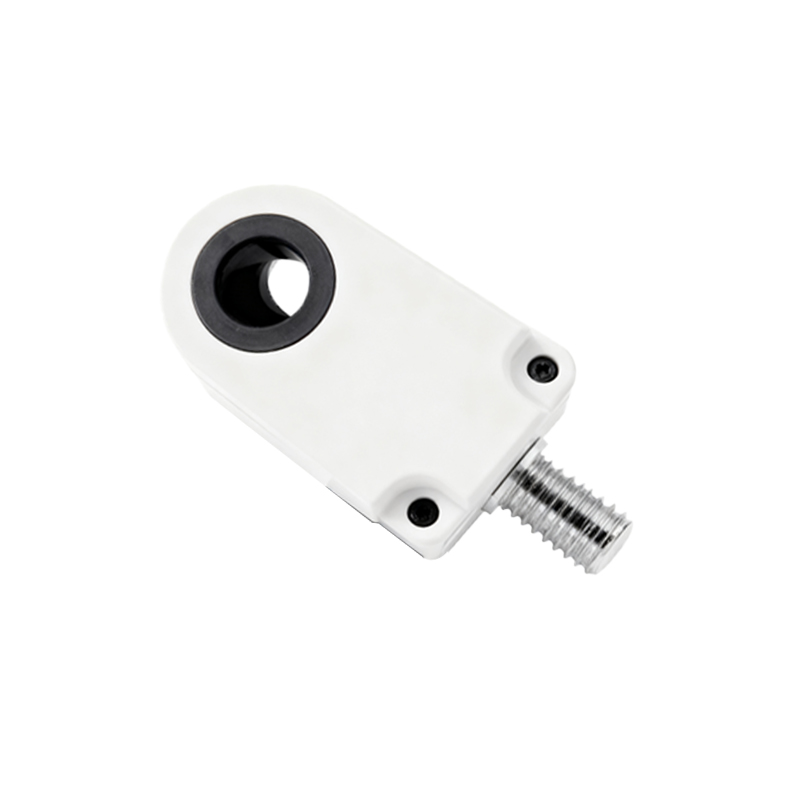
Ultrasonic sensors calculate distance by measuring the time between emitting a high-frequency sound pulse and receiving its echo. They are excellent for longer ranges and challenging environments with dust or smoke. Photoelectric sensors use a light emitter and receiver; the detection occurs when the target interrupts the light beam (through-beam), reflects it back (retro-reflective), or diffuses it (diffuse reflective).
The applications for these devices are vast and critical. In automotive assembly lines, inductive proximity switches count metal components and confirm the position of robotic arms. Capacitive sensors in food packaging ensure liquid levels are correct before sealing. Ultrasonic sensors help robots navigate warehouses safely. Photoelectric sensors are the backbone of object counting, bottle detection on conveyor belts, and door safety systems. In consumer electronics, a capacitive proximity sensor often turns off a smartphone's screen during a call to save power and prevent accidental touches.
Choosing between a sensor and a switch, and selecting the right technology, depends on several factors. Key considerations include the nature of the target material (metal, plastic, liquid), the required sensing distance, the operating environment (temperature, presence of contaminants), the needed output type (analog for measurement, digital for simple control), response speed, and installation constraints. For instance, a high-speed bottling plant would likely use a fast, reliable photoelectric switch, while a tank level monitoring system might require an analog-output capacitive sensor for continuous measurement.
Installation and maintenance are generally straightforward. Proper alignment, ensuring the target enters the sensing field correctly, and protecting the sensor from physical damage or environmental extremes are crucial for reliable operation. Most modern devices are self-contained, solid-state units with no moving parts, leading to high reliability and long service life.
In summary, proximity sensors and switches are the unseen enablers of modern automation. They provide the essential "eyes" for machines, allowing for precise control, safety, and efficiency. From the factory floor to everyday gadgets, their non-contact detection capability makes processes faster, cleaner, and more reliable. Understanding the distinction between the continuous sensing capability of a general proximity sensor and the binary switching function of a proximity switch is the first step in leveraging their full potential to solve real-world engineering challenges.