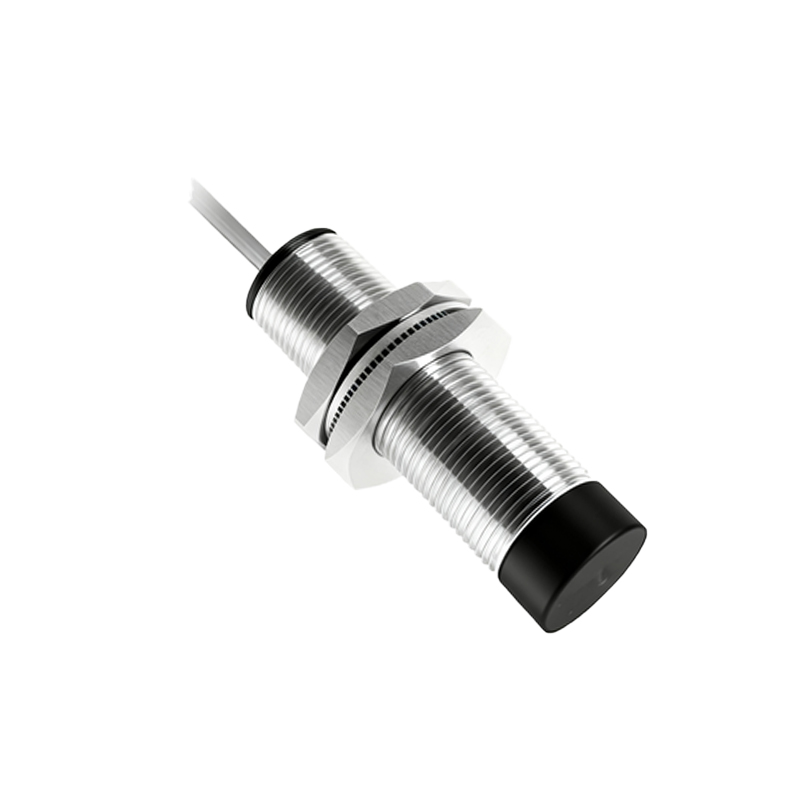
In the rapidly evolving landscape of industrial automation and smart device design, proximity sensors stand as silent, indispensable sentinels. These devices detect the presence or absence of an object within a specific range without any physical contact, enabling countless processes to be safer, more efficient, and more reliable. If you are navigating the complex world of sensor technology for your project, this guide serves as your starting point. We welcome your detailed inquiries to help you find the precise solution for your unique application.
Understanding the core technology is the first step. Proximity sensors primarily operate on four principles: inductive, capacitive, ultrasonic, and photoelectric. Inductive sensors are the workhorses for detecting metallic objects, generating an electromagnetic field to sense ferrous and non-ferrous metals. They are renowned for their robustness in harsh industrial environments, resistant to dust, oil, and coolant. Capacitive sensors, on the other hand, can detect a much wider range of materials, including liquids, plastics, wood, and granular substances. They function by measuring changes in capacitance, making them ideal for level detection in tanks or presence sensing of non-metallic containers.
Ultrasonic sensors use sound waves beyond human hearing to measure distance or detect objects, excelling in applications requiring precise distance measurement or detection of transparent or variably colored objects that might confuse optical systems. Photoelectric sensors utilize a light beam, typically infrared or laser, and are categorized into through-beam, retro-reflective, and diffuse reflective types. They offer long sensing ranges and are perfect for detecting small objects or operating in clean environments.
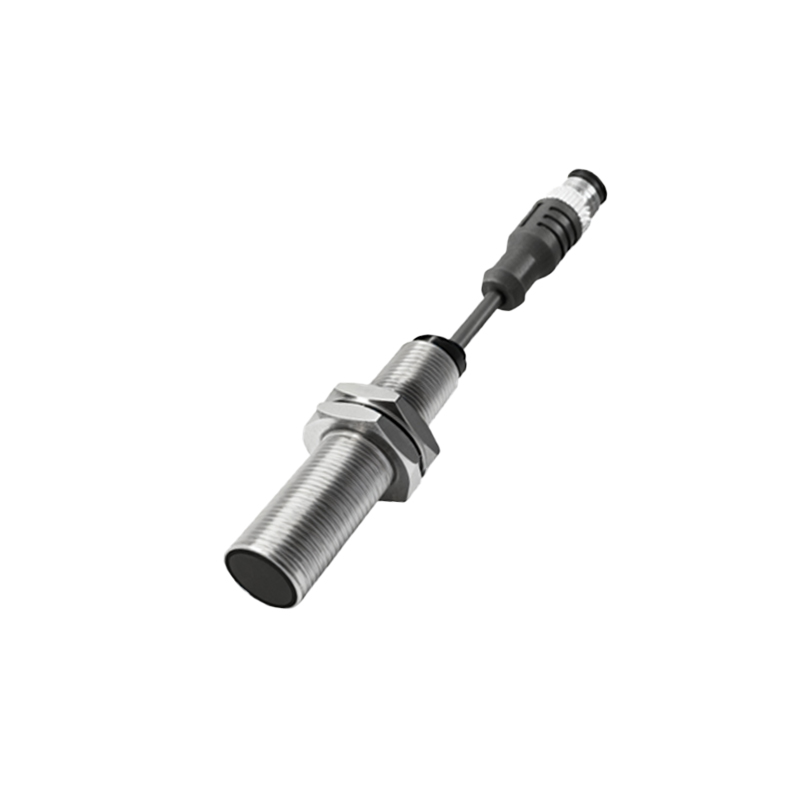
The selection process hinges on several critical factors beyond just the target material. Consider the required sensing distance, often listed as the nominal range. The environment is paramount—will the sensor face extreme temperatures, washdown conditions, or strong electromagnetic interference? The output type is another key decision: NPN or PNP transistor outputs, analog outputs for distance proportionality, or IO-Link for smart, digital communication that provides diagnostic data. Physical characteristics like housing material (often stainless steel or nickel-plated brass for durability), size, and connection type (pre-wired or connector-based) must align with your mechanical design.
Real-world applications are vast and varied. In automotive manufacturing, inductive sensors precisely count gears or confirm robotic arm positions. In packaging lines, capacitive sensors ensure bottles are filled to the correct level, while photoelectric sensors verify label placement. Ultrasonic sensors manage stacking height in warehouses. In the realm of consumer electronics, miniature capacitive sensors enable touchless controls and screen activation. The correct sensor not only automates a task but also enhances safety, reduces waste, and prevents machine damage.
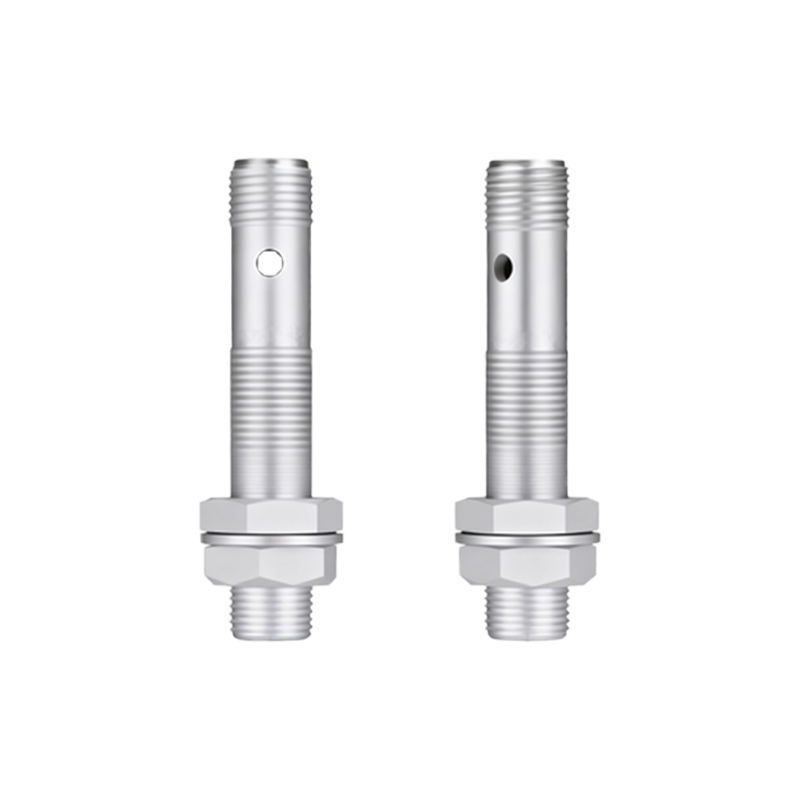
However, even with this knowledge, specific challenges arise. What is the optimal sensor for detecting a specific alloy at a high speed? How do you compensate for background interference in a crowded control panel? Can a single sensor be configured for multiple detection thresholds? These nuanced questions are where expert consultation becomes invaluable. Our technical team is equipped to delve into these specifics. By providing details such as the target object's material, size, required detection distance, environmental conditions, electrical specifications, and the desired outcome of the detection event, we can perform a precise matching analysis.
We encourage you to move from a general interest to a specific inquiry. The dialogue begins with your application parameters. Whether you are an engineer integrating sensors into a complex machine, a plant manager looking to retrofit an existing line, or a product designer innovating a new device, a detailed conversation ensures the selected sensor delivers optimal performance and longevity. A well-specified proximity sensor is a cornerstone of operational excellence, and its correct integration is a strategic investment.
Do not hesitate to reach out with your project blueprints, environmental specifications, or even a description of the problem you are aiming to solve. Our process is collaborative, focused on providing clear, actionable recommendations and technical data sheets to support your design and procurement phases. Let's transform your operational challenges into reliable, automated solutions. Your inquiry is the first critical signal we are ready to detect and respond to with expertise and precision.