In the realm of automation, safety, and precise control, Hall effect proximity sensors are indispensable components. These non-contact devices detect the presence or absence of a magnetic field, offering reliable operation in demanding environments. Choosing the right brand is crucial for ensuring performance, durability, and system integration. This overview highlights leading manufacturers known for their innovation, quality, and comprehensive product portfolios.
For heavy-duty industrial automation, few names command as much respect as Sick AG. The German sensor giant offers a vast array of Hall effect sensors renowned for their robustness and precision. Their products are engineered to withstand extreme temperatures, mechanical stress, and harsh conditions found in manufacturing, packaging, and material handling. Sick sensors often feature advanced diagnostics, high switching frequencies, and a variety of output configurations, making them a top choice for complex machinery and Industry 4.0 applications. Their commitment to quality control ensures consistent performance critical for production lines.
Another powerhouse in the industrial sector is Pepperl+Fuchs. With decades of expertise in sensor technology, this company provides an extensive selection of inductive and magnetic proximity sensors, including Hall-based variants. Pepperl+Fuchs excels in creating sensors for explosive atmospheres (ATEX/IECEx certifications) and other specialized environments. Their designs focus on high immunity to electromagnetic interference and long-term stability. For engineers designing systems for chemical plants, oil refineries, or any area requiring intrinsic safety, Pepperl+Fuchs is a frequently specified brand.
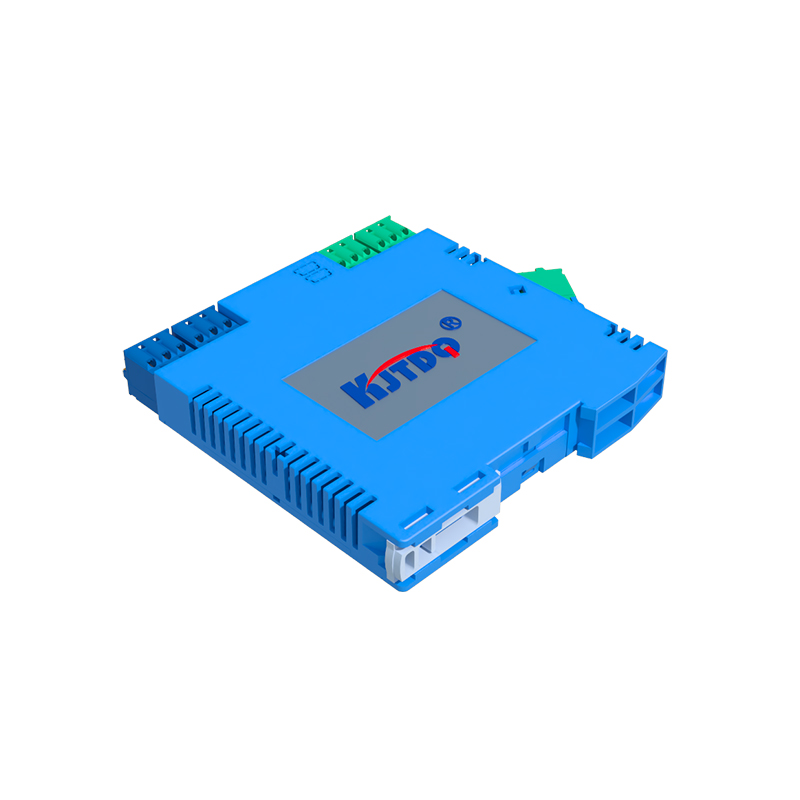
In the arena of automotive and transportation, Honeywell Sensing and Productivity Solutions stands out. Honeywell's Hall effect sensors are integral to modern vehicles, monitoring wheel speed, gearbox position, throttle control, and brake systems. Their sensors are characterized by miniaturization, low power consumption, and exceptional reliability over millions of operating cycles. Beyond automotive, Honeywell's portfolio serves aerospace, medical equipment, and general industrial markets with highly accurate and temperature-stable solutions.
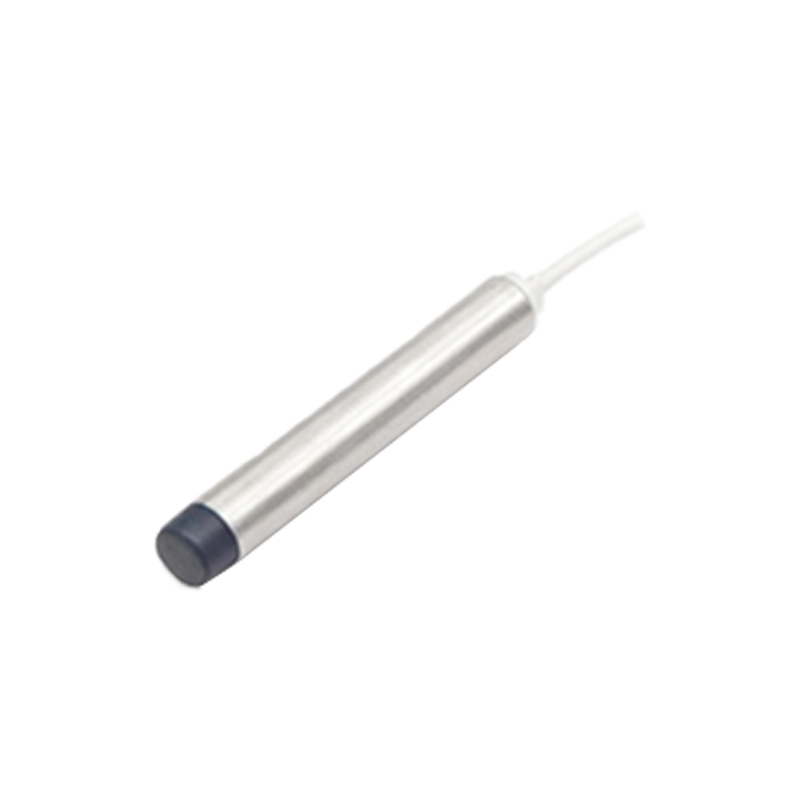
For designers and OEMs seeking high-performance components for consumer electronics, appliances, and precision instruments, Allegro MicroSystems is a key player. This semiconductor company specializes in integrated circuit solutions, including advanced Hall-effect sensor ICs. Allegro is known for its innovation in packaging, signal processing, and diagnostic features. Their sensors offer solutions for current sensing, linear position detection, and ultra-sensitive switching. Brands looking to integrate sophisticated magnetic sensing into compact products often turn to Allegro for their application-specific standard products (ASSPs).
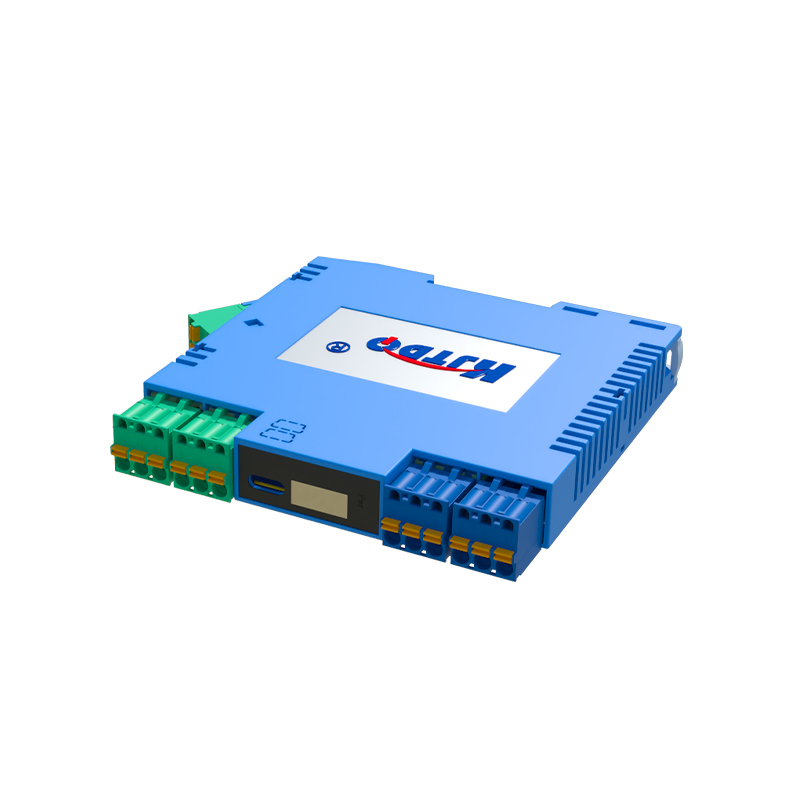
Omron Corporation, a Japanese electronics leader, offers a reliable and diverse range of proximity sensors. While famous for their inductive and photoelectric sensors, Omron's Hall effect sensor lineup is equally impressive for general automation tasks. They are valued for their consistent quality, ease of installation, and competitive pricing. Omron sensors are commonly found in factory automation, vending machines, and home appliances where dependable detection is needed without excessive cost.
Finally, ifm electronic deserves mention for its user-centric design and connectivity features. ifm's Hall effect sensors are part of their broader "Industry 4.0 ready" ecosystem. They emphasize easy setup via intuitive indicators (like LED status lights) and connectivity options for industrial networks. Their sensors are built to be durable and are backed by strong global technical support, making them a popular choice for system integrators and maintenance teams seeking to minimize downtime.
Selecting a Hall effect proximity sensor brand depends on specific application requirements: the required sensing distance, environmental conditions (temperature, contaminants), output type (digital, analog, IO-Link), electrical specifications, and necessary certifications. Leading brands like Sick, Pepperl+Fuchs, Honeywell, Allegro, Omron, and ifm each bring distinct strengths. Evaluating their product datasheets, application notes, and support resources is the best practice for matching the right sensor technology to the task, ensuring long-term reliability and optimal system performance.