In today's rapidly automating industrial landscape, the demand for precise, reliable, and intelligent sensing solutions is at an all-time high. Technical proximity sensors, the silent workhorses of modern manufacturing, assembly, and robotics, are central to this transformation. For sales professionals and procurement specialists navigating this critical market, understanding the technology, its applications, and the evolving sales landscape is paramount for success.
The core function of a proximity sensor is to detect the presence or absence of an object within a specified range without physical contact. This non-contact operation eliminates mechanical wear and tear, ensuring longevity and consistent performance in harsh environments filled with dust, moisture, or extreme temperatures. The sales conversation begins with identifying the correct sensor type for the application. Inductive sensors are the go-to choice for detecting metallic objects and are ubiquitous in metalworking and automotive assembly. Capacitive sensors, on the other hand, can detect a wider range of materials, including liquids, plastics, and wood, making them ideal for packaging, food processing, and level detection. For longer ranges and precise position detection of any material, ultrasonic and photoelectric sensors enter the fray. A skilled sales approach involves a deep diagnostic of the client's environment: target material, required sensing distance, environmental conditions, output type needed (e.g., NPN/PNP, analog, IO-Link), and mounting constraints.
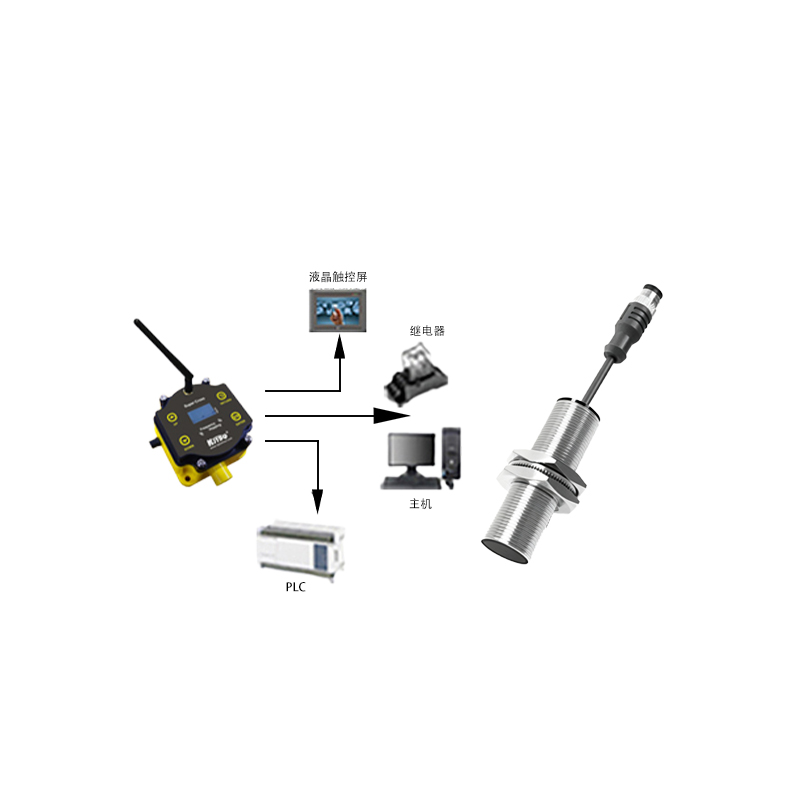
The current sales market for technical proximity sensors is driven by several powerful trends. The push towards Industry 4.0 and the Industrial Internet of Things (IIoT) is perhaps the most significant. Modern sensors are no longer simple switch devices; they are data points. Sensors equipped with IO-Link communication provide valuable diagnostic data—such as operating temperature, signal strength, and device health—enabling predictive maintenance and reducing unplanned downtime. Selling the value of this data, and the overall equipment effectiveness (OEE) it protects, is often more compelling than discussing just the unit price. Another key trend is miniaturization. As machinery and electronics become more compact, the demand for smaller, yet equally powerful, sensors grows. Sales portfolios must now include M5, M8, and M12 miniature housings that deliver robust performance in tight spaces. Furthermore, the rise of collaborative robots (cobots) has created a niche for safe, precise sensors that enable seamless human-machine interaction.
For sales teams, transitioning from a component vendor to a solutions provider is the key to differentiation. This involves comprehensive technical support. Providing clear datasheets, 2D/3D models for easy integration into client designs, and sample units for testing builds immense trust. Demonstrating a sensor's performance in a simulated real-world scenario can be a decisive factor. Furthermore, understanding global supply chain dynamics and ensuring reliable inventory or offering suitable alternatives during shortages are now critical aspects of the sales process. Educating clients about certifications (like IP ratings for ingress protection or specific approvals for hazardous areas) is also part of the value-added service.
From the buyer's perspective, selection criteria extend beyond the datasheet. While price per unit is a factor, the total cost of ownership (TCO) is a more sophisticated metric. A slightly more expensive sensor with a longer lifespan, higher reliability, and smart features that prevent line stoppages offers far greater value. Buyers are increasingly looking for suppliers with strong technical application support, global availability, and a proven track record in their specific industry, whether it's automotive, material handling, or semiconductor manufacturing.
In conclusion, the sales domain for technical proximity sensors is dynamic and technically nuanced. Success hinges on a consultative approach that pairs product expertise with an understanding of macro-industrial trends. By focusing on the client's operational challenges, offering future-proof IIoT-enabled solutions, and providing unwavering technical support, sales professionals can build lasting partnerships. The goal is not merely to sell a sensor but to deliver reliability, efficiency, and intelligence to the factory floor.