In today's rapidly advancing technological landscape, proximity sensors have become ubiquitous components, embedded in everything from smartphones and tablets to industrial machinery, automotive systems, and home appliances. These devices, which detect the presence or absence of nearby objects without physical contact, are crucial for enabling touchless interfaces, safety features, and automation. However, as the lifecycle of electronic products shortens, a significant challenge emerges: the responsible disposal and recycling of these sophisticated components. The process of recycling proximity sensors is not merely a matter of waste management; it represents a critical intersection of environmental stewardship, resource conservation, and economic opportunity.
Proximity sensors are complex assemblies. A typical unit may contain a variety of materials, including precious metals like gold and silver in the circuitry, rare earth elements in certain types of sensing elements, copper, plastics, ceramics, and potentially hazardous substances such as lead solder (in older models). When discarded in landfills, these materials can leach toxins into soil and groundwater, posing serious environmental and health risks. Conversely, when properly recycled, they become a valuable secondary resource, reducing the need for environmentally destructive mining of virgin materials. The recovery of precious metals from electronic waste, known as urban mining, is often more energy-efficient than traditional mining.
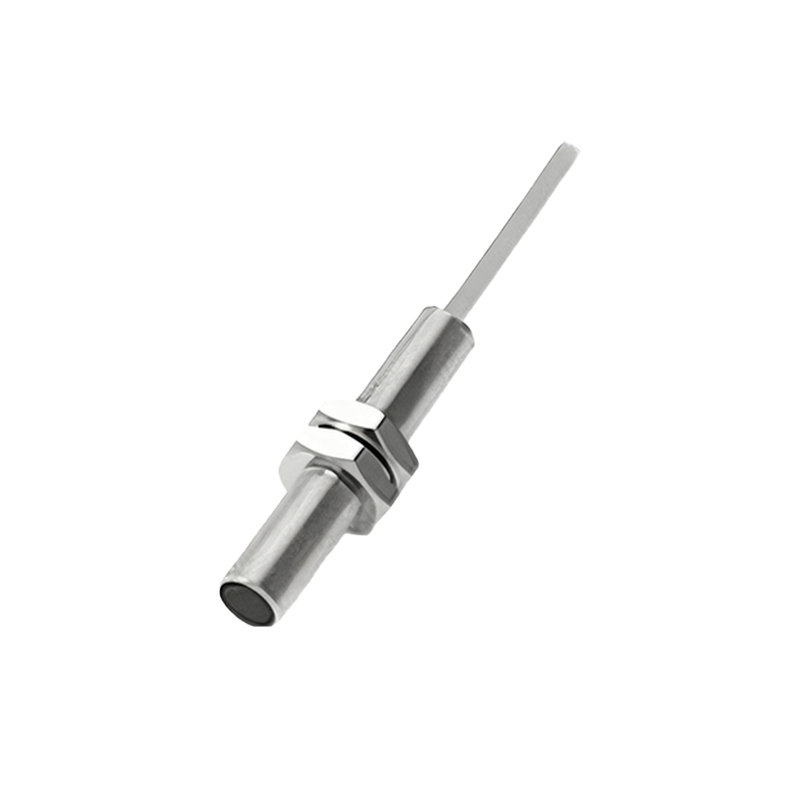
The recycling journey for a proximity sensor begins with collection. This step is paramount and relies on effective systems like manufacturer take-back programs, dedicated e-waste collection points, and retailer drop-off locations. Educating consumers and businesses about the importance of not mixing e-waste with general trash is an ongoing effort. Once collected, the sensors undergo a meticulous sorting process. Automated and manual methods separate them from other electronic waste streams based on type, size, and composition. This precision is necessary because different sensor technologies—inductive, capacitive, optical, or ultrasonic—may require slightly different recycling approaches.
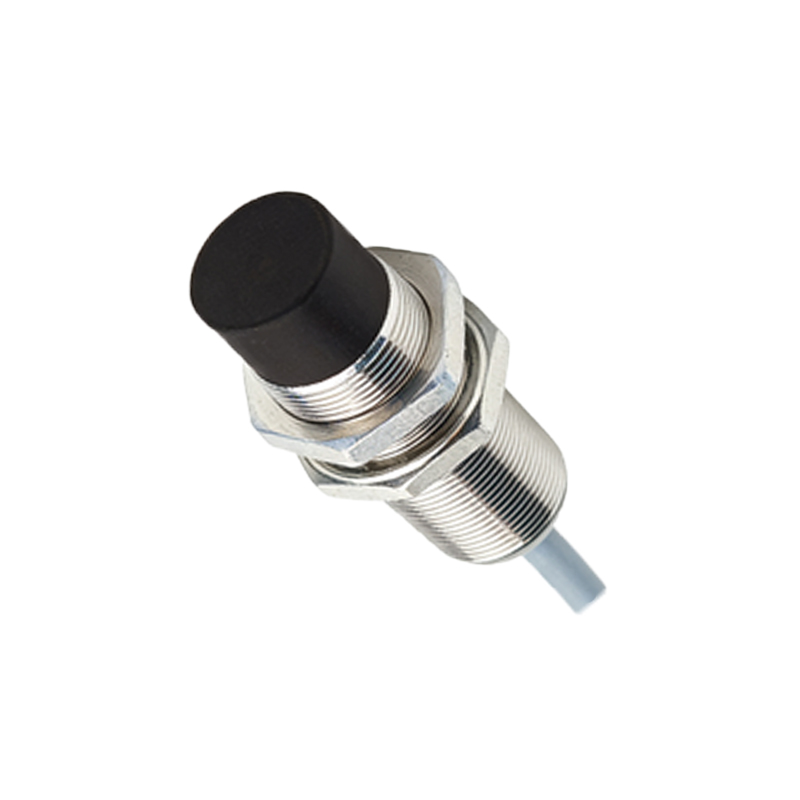
Following sorting, the sensors enter the dismantling and pre-processing phase. Here, they are often shredded into smaller pieces to liberate the constituent materials. Advanced separation techniques then come into play. Methods such as magnetic separation remove ferrous metals, eddy current separation recovers non-ferrous metals like aluminum and copper, and sophisticated density-based separation systems sort various plastics and other materials. For the intricate printed circuit boards (PCBs) found inside sensors, specialized processes are employed. These may involve pyrolysis (heating in an oxygen-free environment) to break down plastics or hydrometallurgical processes using chemical solutions to dissolve and recover precious metals with high purity.
The benefits of a robust recycling system for proximity sensors are multifaceted. Environmentally, it drastically cuts down on hazardous waste, conserves finite natural resources, and reduces the carbon footprint associated with manufacturing new components from raw materials. Economically, it creates a circular supply chain for critical materials, fostering job creation in the recycling and refurbishment sectors and providing manufacturers with a more stable source of raw materials less susceptible to geopolitical volatility. From a data security perspective, proper recycling ensures that any residual data-storing components are physically destroyed, mitigating privacy risks.
Despite the clear advantages, significant hurdles remain. The miniaturization of sensors makes manual disassembly increasingly difficult and costly. The use of composite materials and strong adhesives complicates separation. Furthermore, the economic viability of recycling can fluctuate with global commodity prices, sometimes making it cheaper to landfill than to recycle. To overcome these challenges, a multi-pronged strategy is essential. This includes advocating for "Design for Recycling" principles, where manufacturers design sensors with easier disassembly and material recovery in mind. Policy measures, such as Extended Producer Responsibility (EPR) laws, hold manufacturers accountable for the end-of-life management of their products, incentivizing greener design and funding recycling infrastructure. Continued investment in recycling technologies, particularly for efficient rare earth element recovery, is also crucial.
For businesses and individuals looking to contribute, the path is clear. Prioritize repair and refurbishment to extend the life of devices containing proximity sensors. When disposal is inevitable, seek out certified e-waste recyclers who adhere to high environmental and data security standards, such as those certified by R2 or e-Stewards. By choosing responsible recycling partners, one ensures that the process is handled ethically and efficiently, maximizing material recovery and minimizing environmental harm.
In conclusion, recycling proximity sensors is a vital component of a sustainable electronics ecosystem. It transforms a potential environmental liability into a source of valuable materials, driving us closer to a circular economy. As our reliance on sensor-driven technology grows, so does our responsibility to manage its end-of-life impact. Through collaborative efforts between consumers, manufacturers, policymakers, and recyclers, we can ensure that the technology that brings us closer to the world does not drive us further from a sustainable future.