In today's rapidly evolving industrial and technological landscape, the demand for reliable sensing solutions has never been greater. Universal proximity sensors stand at the forefront of this demand, offering versatile and efficient detection capabilities across a myriad of applications. These sensors are designed to detect the presence or absence of objects without any physical contact, ensuring longevity and minimal maintenance. Whether in manufacturing automation, automotive assembly lines, packaging machinery, or even consumer electronics, proximity sensors provide the critical data needed for seamless operation and enhanced safety.
The core technology behind universal proximity sensors varies, including inductive, capacitive, and photoelectric types, each suited to specific materials and environmental conditions. Inductive sensors, for instance, excel in detecting metallic objects, making them ideal for metalworking and robotic applications. Capacitive sensors, on the other hand, can detect both metallic and non-metallic materials, such as liquids, plastics, and glass, offering flexibility in diverse settings. Photoelectric sensors utilize light beams to sense objects, providing long-range detection and high precision. This adaptability allows businesses to integrate these sensors into existing systems with ease, optimizing performance and reducing downtime.
One of the key advantages of universal proximity sensors is their robustness in harsh environments. Many models are built to withstand extreme temperatures, moisture, dust, and vibrations, ensuring consistent functionality in challenging industrial settings. This durability translates to cost savings over time, as fewer replacements and repairs are needed. Additionally, modern sensors often feature advanced diagnostics and connectivity options, enabling real-time monitoring and integration with IoT (Internet of Things) platforms. This connectivity supports predictive maintenance strategies, where potential issues can be identified before they lead to failures, further enhancing operational efficiency.
When selecting a proximity sensor, factors such as sensing range, output type, and housing material must be considered to match the specific requirements of an application. For example, in food processing industries, sensors with stainless steel housings and washdown capabilities are essential to meet hygiene standards. In contrast, automotive applications may prioritize sensors with high-speed response times to keep up with fast-paced production lines. Consulting with experts can help navigate these choices, ensuring that the selected sensor delivers optimal performance and reliability.
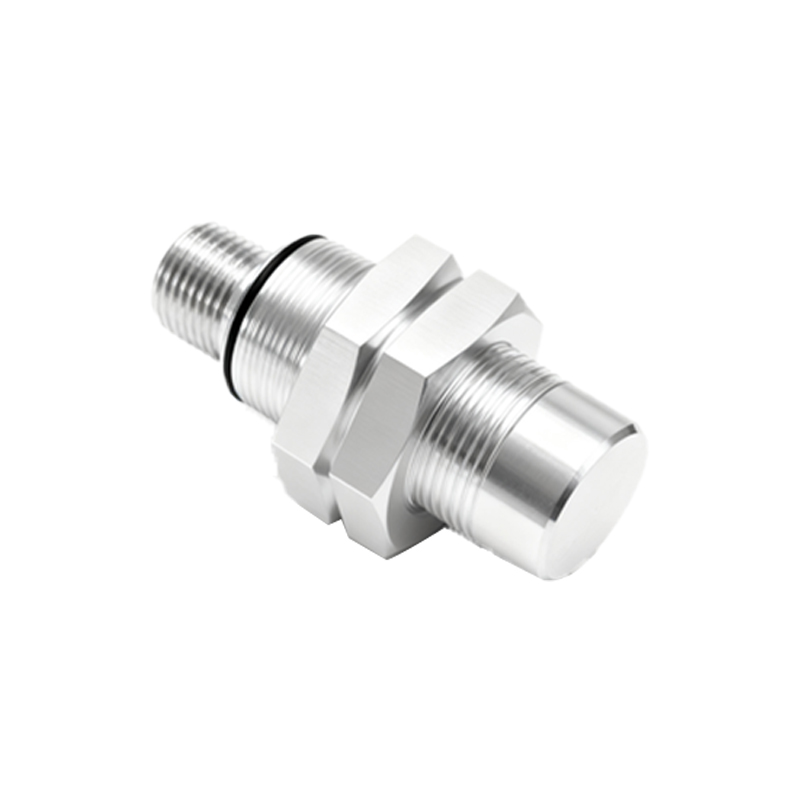
The market for proximity sensors continues to grow, driven by trends like Industry 4.0 and smart manufacturing. As automation becomes more prevalent, the role of these sensors in enabling precise control and data collection becomes increasingly vital. They contribute to energy efficiency by ensuring that machinery operates only when needed, reducing waste and lowering operational costs. Moreover, their application in safety systems, such as detecting human presence near hazardous equipment, underscores their importance in protecting workers and preventing accidents.
For businesses looking to upgrade their sensing technology, universal proximity sensors offer a future-proof solution. With ongoing advancements in miniaturization, sensitivity, and smart features, these sensors are poised to meet the demands of next-generation applications. From small-scale workshops to large industrial complexes, their impact on productivity and innovation is undeniable. By leveraging expert guidance and tailored solutions, organizations can harness the full potential of these devices to stay competitive in a dynamic market.
In conclusion, universal proximity sensors are indispensable tools in modern industry, providing non-contact detection that enhances efficiency, safety, and adaptability. Their wide-ranging applications and evolving capabilities make them a valuable investment for any operation seeking to improve automation and data-driven decision-making. As technology progresses, these sensors will continue to play a pivotal role in shaping the future of manufacturing and beyond.