In the realm of industrial automation, electronics, and safety systems, the proximity reed sensor remains a fundamentally reliable component. Its operation is elegantly simple: a hermetically sealed glass capsule (the reed switch) containing two ferromagnetic reeds is actuated by the presence of a magnetic field, typically from a separate magnet. This magnetic proximity causes the reeds to flex and make contact, closing an electrical circuit without any physical mechanical linkage. This non-contact switching principle is the cornerstone of its widespread use in applications demanding durability, such as liquid level sensing, security door/window alarms, medical equipment, and position detection in machinery. When it comes to securing a stable and high-quality proximity reed sensor supply, several critical factors must be evaluated to ensure optimal performance and system integrity.
The first and foremost consideration is the technical specification alignment. Not all reed sensors are created equal. Key parameters include the operating sensitivity, often defined by the pull-in and drop-out AT (Ampere-Turns) or the required magnetic field strength (Gauss). Sourcing a sensor with inappropriate sensitivity can lead to failure to actuate or, conversely, unintended triggering. The electrical rating—maximum switching voltage and current—must comfortably exceed the application's requirements to ensure longevity and prevent contact welding. Physical characteristics like size, form factor (e.g., tubular, surface-mount), lead type, and insulation material are equally crucial for mechanical integration. Environmental resilience is non-negotiable for industrial supplies. The sensor's IP (Ingress Protection) rating dictates its resistance to dust and moisture, while the operating temperature range must suit the installation environment, from freezing cold storage to hot engine compartments. For harsh conditions, sensors with robust epoxy encapsulation or specialized glass-metal seals are essential supplies.
Beyond the product itself, the capabilities and reliability of the supplier form the backbone of a secure supply chain. A reputable supplier should offer more than just a catalog; they should provide comprehensive technical support, including detailed datasheets, application notes, and engineering assistance. The ability to supply sensors with consistent quality across large production batches is paramount. This consistency is often underpinned by the supplier's manufacturing processes, quality control certifications (like ISO 9001), and testing protocols for parameters such as contact resistance, breakdown voltage, and operational life. For high-reliability applications in aerospace, automotive, or medical fields, suppliers who can provide parts with traceability and compliance to specific industry standards are invaluable. Furthermore, logistical prowess—including reliable lead times, flexible minimum order quantities (MOQs), and efficient global distribution—directly impacts production continuity. Developing a partnership with a supplier who understands your long-term needs can mitigate risks associated with market fluctuations or component shortages.
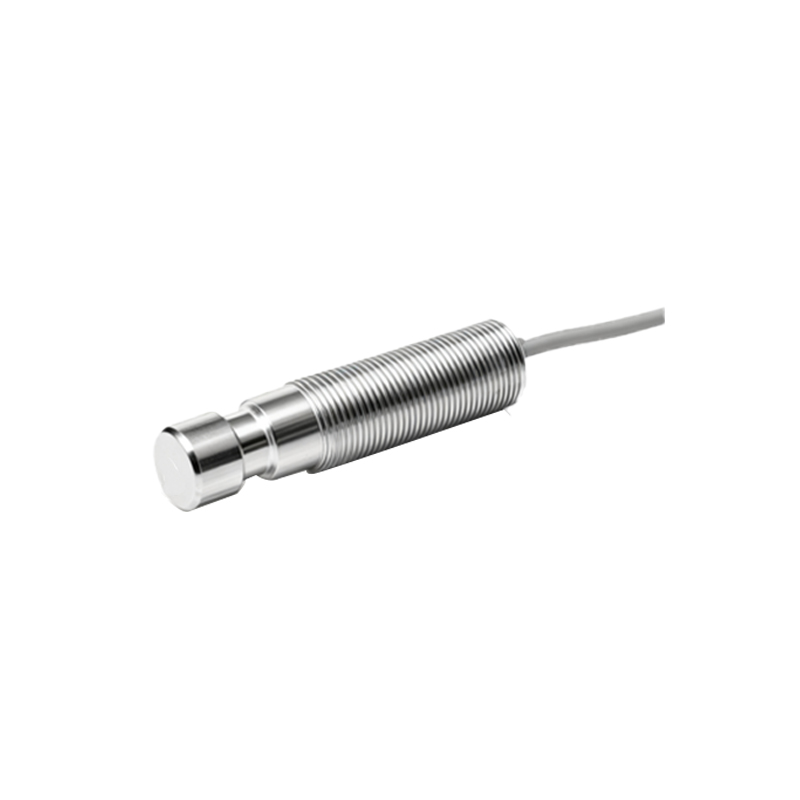
The application context profoundly influences sourcing decisions. For instance, a proximity sensor supply for a low-power, battery-operated IoT device will prioritize ultra-low power consumption and miniature size. In contrast, a supply for heavy machinery position sensing might focus on high-current switching capability and extreme mechanical ruggedness. Understanding the magnetic circuit is also part of savvy sourcing. The performance of a reed sensor is a function of the magnet's strength, orientation, and distance. Suppliers with application expertise can guide the selection of the correct sensor-magnet pairing and even offer integrated assemblies. For cost-sensitive, high-volume consumer applications, sourcing standard, off-the-shelf sensors from a supplier with economies of scale is typical. For specialized needs, such as custom lead lengths, specific activation values, or unique packaging, identifying a supplier with strong design-for-manufacture and customization capabilities becomes critical.
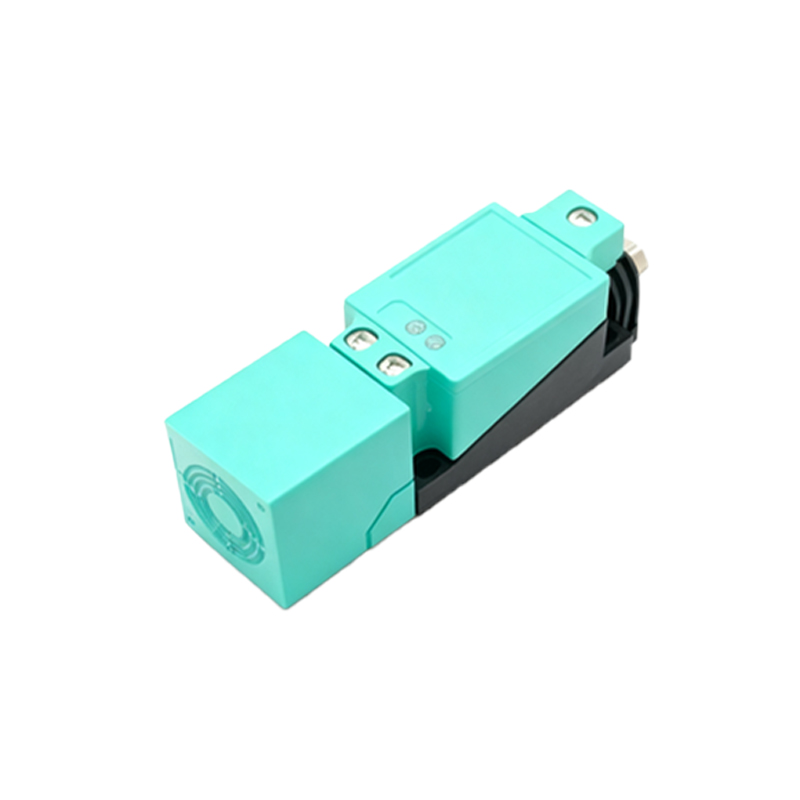
In conclusion, procuring a proximity reed sensor supply is a strategic exercise that balances precise technical requirements with robust supply chain management. It involves a meticulous evaluation of the sensor's electrical, physical, and environmental specifications against the application's demands. Simultaneously, it requires partnering with a supplier whose technical expertise, quality assurance, and logistical reliability align with your operational goals. By focusing on these interconnected aspects—the right product from the right source for the right job—engineers and procurement specialists can ensure the seamless integration of this timeless switching technology into modern, reliable systems.