In today's rapidly evolving industrial and consumer electronics landscape, proximity sensors have become indispensable components. Their ability to detect the presence or absence of objects without physical contact makes them vital for automation, safety systems, smartphones, and IoT devices. As we move through 2024, understanding the pricing dynamics of these sensors is crucial for engineers, procurement specialists, and business decision-makers. This article provides a comprehensive analysis of the factors influencing new proximity sensor costs and offers insights into current market valuations.
The price of a new proximity sensor is not a single fixed number but a spectrum determined by a confluence of technical specifications and market forces. At the most fundamental level, the underlying technology dictates a significant portion of the cost. Inductive sensors, ideal for detecting metallic objects in harsh industrial environments, generally range from $15 to $100 per unit. Capacitive sensors, which can detect both metallic and non-metallic materials like liquids or plastics, often fall within a similar bracket but can be more expensive for specialized versions. Photoelectric sensors, using infrared or laser light, offer the longest detection ranges and their prices vary widely from $20 for basic models to over $200 for high-precision, long-range variants. Ultrasonic sensors, excellent for distance measuring and level detection, typically cost between $30 and $150.
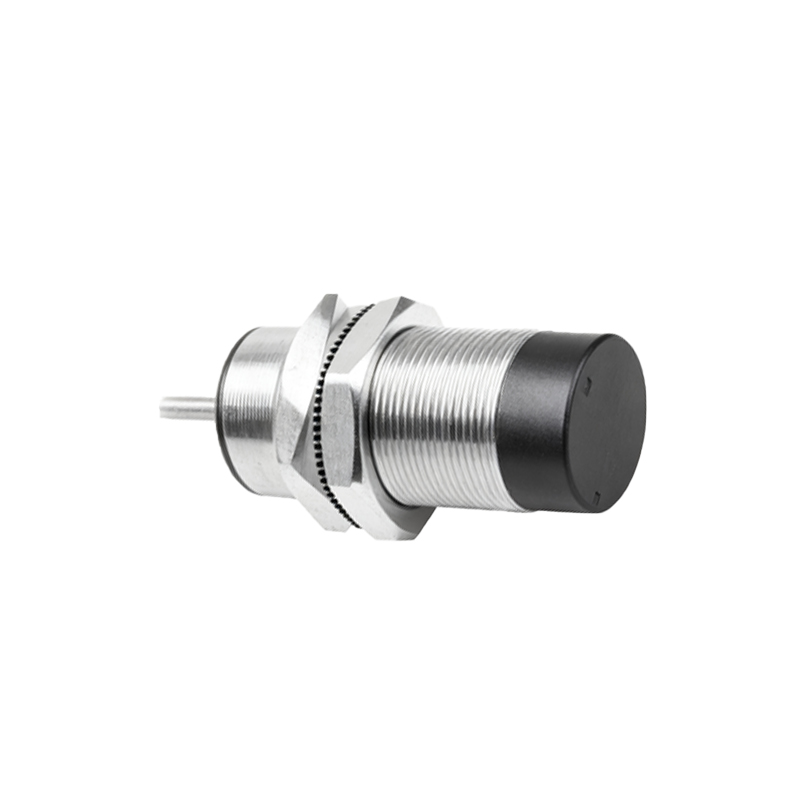
Beyond the core technology, several key specifications directly impact the price. Detection range is a primary driver; a sensor with a 2mm range is substantially less expensive than one capable of reliable detection at 300mm. The sensing object size and material compatibility also play a role. Higher repeat accuracy and resolution, required in precision manufacturing or robotics, command a premium. Environmental ratings are critical; a standard IP67-rated sensor (dust-tight and protected against temporary immersion) will cost more than an unrated one, while sensors designed for extreme temperatures or corrosive atmospheres (with certifications like ATEX or IECEx) can see prices multiply. Output type (digital PNP/NPN, analog 4-20mA, IO-Link) and housing material (stainless steel vs. plastic) further refine the cost structure.
The current market landscape shows a trend toward moderate price stabilization after the supply chain disruptions of recent years. However, several factors are applying upward and downward pressure. Rising costs of raw materials, such as semiconductors, rare-earth elements for magnets, and specialized plastics, continue to push manufacturing expenses higher. Conversely, increased competition, particularly from manufacturers in Asia offering robust and cost-effective alternatives, is creating a competitive environment that benefits buyers. The proliferation of the Industrial Internet of Things (IIoT) is fueling demand for smart sensors with integrated diagnostics and communication protocols (like IO-Link), which are priced higher than their conventional counterparts but offer greater long-term value through predictive maintenance and data integration.
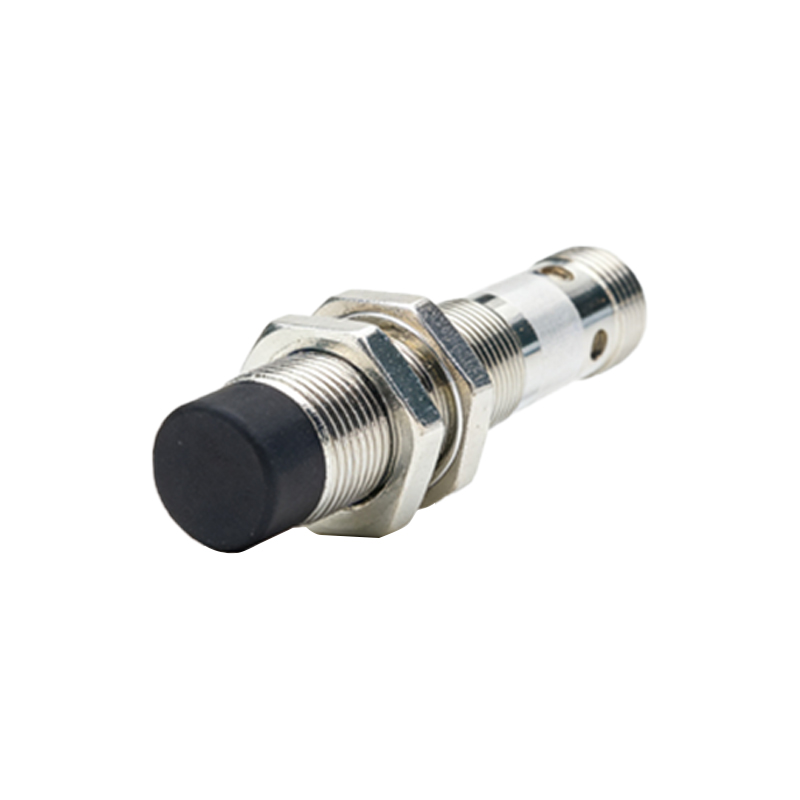
For buyers, navigating this market requires a strategic approach. The most important step is to precisely define the application requirements. Over-specifying a sensor with capabilities far beyond what is needed leads to unnecessary expenditure. Conversely, choosing a sensor that cannot withstand the operational environment leads to premature failure and higher total cost of ownership. Engaging with multiple distributors and manufacturers for quotations is essential. Consider not just the unit price but also bulk order discounts, lead times, warranty terms, and the supplier's technical support capability. For standard applications, many established brands and new entrants offer reliable sensors in the $20 to $60 range. For highly specialized, ruggedized, or safety-rated applications, budgets should anticipate costs from $80 to $300 or more.
Looking ahead, the price trajectory for proximity sensors is expected to be influenced by advancements in miniaturization and integration. MEMS-based sensors and chip-scale packaging could reduce costs for high-volume consumer applications. Meanwhile, the demand for intelligence and connectivity in industrial settings will likely keep prices firm for feature-rich models. In conclusion, the "price" of a new proximity sensor is a direct reflection of its capability, durability, and intelligence. By carefully matching specifications to the application and understanding the broader market trends, buyers can make informed investments that ensure both performance and cost-effectiveness in their projects.