In the realm of industrial automation and precision control, long proximity sensor switches have emerged as indispensable components. Unlike their standard counterparts, these elongated sensors offer extended sensing ranges and unique form factors, making them ideal for specialized applications where conventional round or compact sensors fall short. This guide delves into the technology, key applications, and significant advantages of these versatile devices.
At their core, long proximity sensor switches operate on the same fundamental principles as standard inductive, capacitive, or photoelectric sensors. They detect the presence or absence of an object without physical contact. The key differentiator is their elongated housing, which often contains a sensing element that runs along a significant portion of the sensor's length. This design allows for detection over a broader linear area or through a narrow, long slot. Common types include rectangular, cylindrical "barrel" types in extended lengths, and specialized slot sensors. Inductive long sensors are predominantly used for detecting metals, while capacitive versions can sense both metallic and non-metallic materials, including liquids and granular substances.
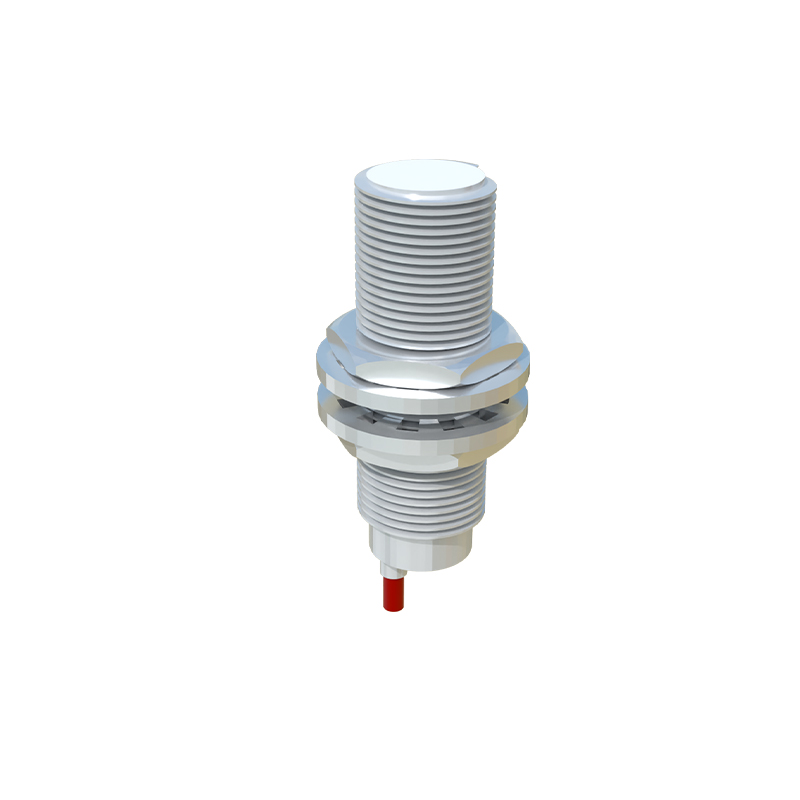
The applications for long proximity sensors are vast and critical across numerous industries. In material handling and packaging, they are perfect for edge detection on wide webs of paper, film, or textiles, ensuring proper alignment and preventing costly jams or tears. On assembly lines, they monitor the passage of objects on conveyors, verifying that components like long metal profiles, pipes, or wooden planks are present and correctly positioned before the next manufacturing step. They serve as effective safety devices on automated doors and gates, creating an invisible curtain of detection to prevent closure when an obstruction is present. In the woodworking and metal fabrication sectors, long slot sensors are integrated into machinery to detect the position of saw blades or the feed of long stock material with exceptional accuracy.
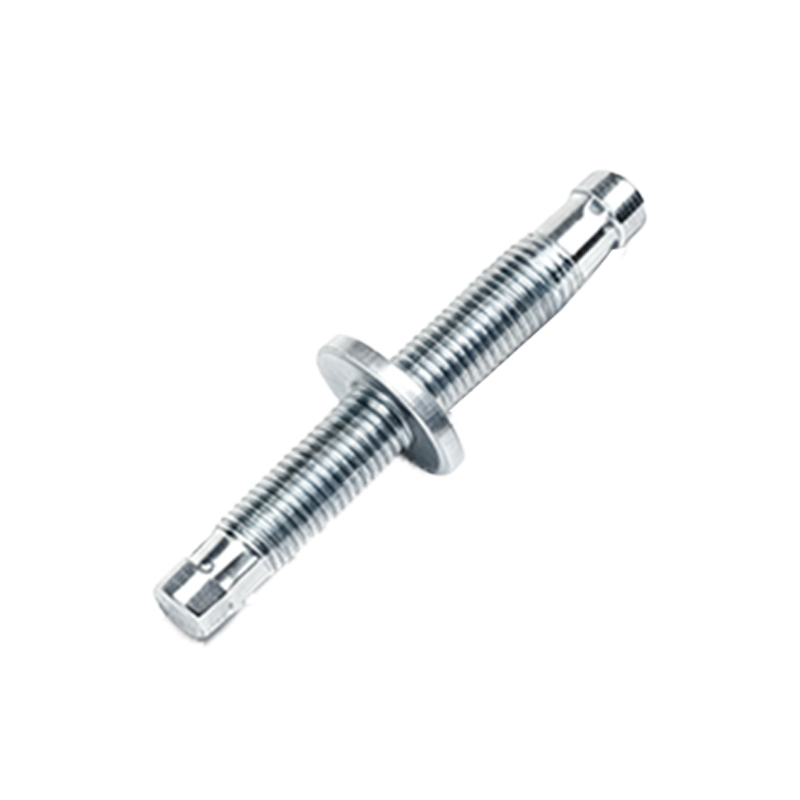
The benefits of opting for a long-form factor proximity switch are compelling. The extended sensing range or area coverage eliminates the need for multiple standard sensors in many setups, simplifying system design, reducing wiring complexity, and lowering overall costs. Their elongated shape often allows for easier mounting in tight or constrained spaces where a cluster of smaller sensors would not fit. Many models offer high environmental resistance, with robust housings rated IP67 or higher, protecting against dust, moisture, and coolant ingress—a crucial feature for harsh industrial environments. Furthermore, they provide reliable, maintenance-free operation with fast response times, contributing to increased production efficiency and reduced downtime.
When selecting a long proximity sensor, several factors must be considered. The sensing range, which can vary from a few centimeters to several hundred millimeters, must be appropriate for the application. The housing material, typically stainless steel, nickel-plated brass, or ruggedized PBT plastic, should be chosen based on the environmental conditions. Output type (PNP/NPN analog or digital) and connection method (pre-wired cable or connector) must be compatible with the existing control system. It is also vital to consider the target material's properties, as this directly influences whether an inductive or capacitive sensor is required.
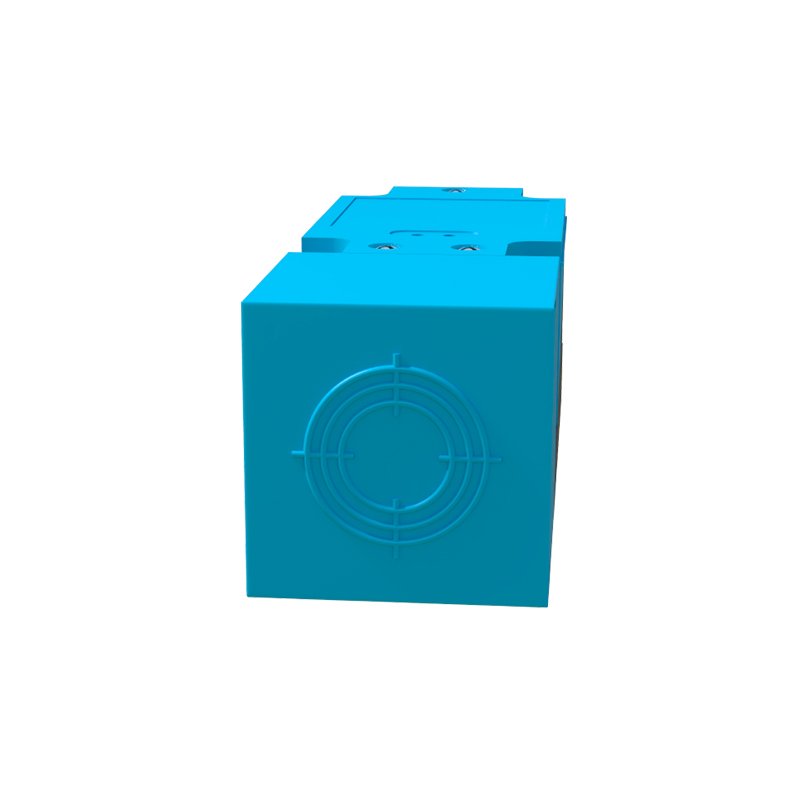
Installation and alignment are critical for optimal performance. The sensor should be mounted securely to minimize vibration, and the sensing face must be positioned at the correct distance and parallel to the target object's path. For slot sensors, ensuring the target passes cleanly through the aperture is essential. Regular checks for accumulation of debris on the sensing face will maintain long-term reliability.
In conclusion, long proximity sensor switches are specialized tools that solve specific challenges in automation and control. Their ability to provide reliable, non-contact detection over an extended linear area makes them a superior choice for applications involving wide materials, long objects, or where space optimization is key. By understanding their operating principles, applications, and selection criteria, engineers and technicians can effectively leverage these sensors to enhance system robustness, safety, and productivity. As automation continues to evolve, the role of such specialized sensing solutions will only grow in importance.