In today's automated industrial landscape, photoelectric proximity sensors have become indispensable components. These devices detect the presence, absence, or distance of objects without physical contact, using a light emitter and receiver. Their applications span across manufacturing lines, packaging systems, robotic guidance, and safety barriers, offering reliability in diverse environments.
Understanding the core technology is essential. Photoelectric sensors operate primarily through three sensing modes: through-beam, retro-reflective, and diffuse reflective. Through-beam sensors consist of separate emitter and receiver units; an object is detected when it interrupts the light beam. This mode provides the longest sensing range and high accuracy. Retro-reflective sensors use a single unit that emits light toward a reflector, detecting objects when the reflected beam is blocked. They offer easier alignment than through-beam models. Diffuse reflective sensors detect objects by measuring light reflected directly from the target's surface, making them ideal for detecting non-reflective materials at shorter distances.
Selecting the right sensor requires careful consideration of several factors. Sensing range is paramount—determine the maximum distance at which the object must be detected. Environmental conditions such as dust, fog, or ambient light can interfere with performance; thus, sensors with robust housings (e.g., IP67 rated) and modulated light sources to reduce interference are preferable. The target material's properties, including color, reflectivity, and surface texture, also influence sensor choice. For instance, dark matte surfaces may require sensors with background suppression technology. Response time is critical in high-speed applications, where milliseconds impact efficiency. Additionally, output types (e.g., NPN, PNP, analog) must match the control system's requirements.
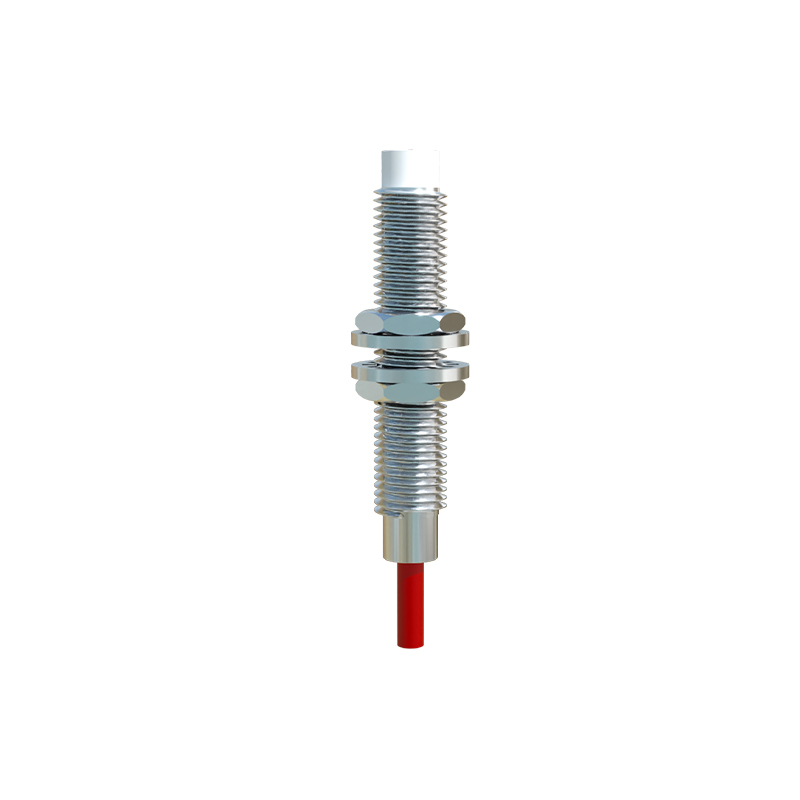
Specialized suppliers play a crucial role in ensuring optimal sensor deployment. A dedicated photoelectric proximity sensor specialist offers not only a wide product range but also technical expertise. They provide tailored solutions, helping clients navigate complex specifications and avoid common pitfalls like incorrect mounting or inadequate maintenance. Look for suppliers who conduct on-site assessments, offer compatibility guarantees, and maintain comprehensive inventory for quick replacements.
Installation and calibration are key to longevity. Ensure the sensor is securely mounted to minimize vibration effects. Alignment must be precise, especially for through-beam and retro-reflective types, to prevent false triggers. Regular cleaning of lenses prevents buildup from contaminants, while periodic testing verifies consistent operation. Many modern sensors feature diagnostic LEDs that simplify troubleshooting.
Emerging trends are enhancing sensor capabilities. Innovations like IO-Link communication enable real-time data exchange for predictive maintenance, reducing downtime. Miniaturization allows integration into compact machinery, while enhanced resistance to extreme temperatures and chemicals expands application scope. Smart sensors with adaptive algorithms can self-adjust to changing conditions, improving accuracy in dynamic environments.
Investing in quality photoelectric proximity sensors from reputable specialists ultimately boosts productivity and safety. By understanding technical nuances and partnering with experts, industries can achieve seamless automation, minimize errors, and adapt to evolving technological demands. Whether for simple object detection or complex positioning tasks, these sensors are foundational to modern industrial efficiency.