In the world of industrial automation, robotics, and smart devices, proximity sensors are the silent sentinels that enable machines to "see" and interact with their environment without physical contact. Selecting the correct sensor is not a one-size-fits-all decision; it requires a careful analysis of your specific needs. A wrong choice can lead to system failures, production downtime, and unnecessary costs. This guide will walk you through the critical factors to consider, ensuring you make an informed and effective selection.
The first and most fundamental step is to define the sensing object. What material are you trying to detect? The answer dictates the sensor technology. For detecting all metals (ferrous and non-ferrous), an inductive proximity sensor is the standard choice. These sensors generate an electromagnetic field and react to the eddy current losses caused by metallic objects. If your target is non-metallic—such as plastic, wood, glass, or liquids—a capacitive proximity sensor is required. It detects changes in capacitance caused by the presence of any material that alters the dielectric constant of its sensing field. For precise detection of specific marks, labels, or contrast differences, a photoelectric sensor, which uses a light beam, is often the best solution, though it is not strictly a "proximity" sensor in the same contactless sense.
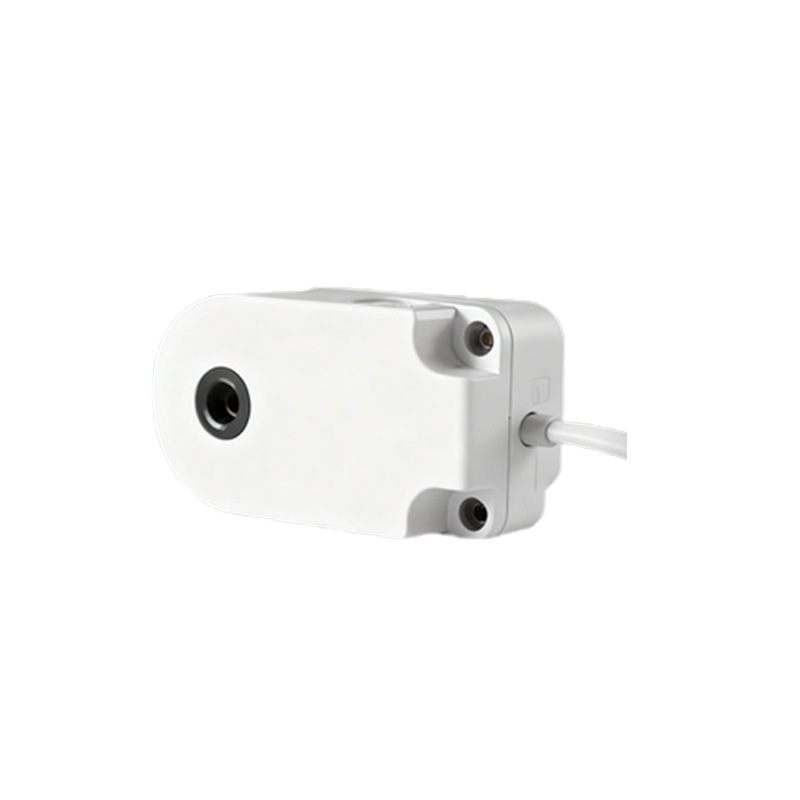
Next, determine the required sensing distance, known as the nominal sensing range (Sn). This is the rated operating distance under standard conditions. Always choose a sensor with a range 20-30% greater than your actual application distance to account for variables like temperature fluctuations, voltage tolerances, and material composition. Never operate a sensor at its absolute maximum rated distance. Consider the physical installation constraints; a sensor with a longer range might be physically too large for the available space.
The environment where the sensor will operate is a decisive factor. Will it be exposed to dust, oil, coolants, or washdowns? Look for sensors with an appropriate Ingress Protection (IP) rating, such as IP67 for protection against temporary immersion or IP69K for high-pressure, high-temperature washdowns. In environments with strong electromagnetic interference (EMI) or welding sparks, sensors with robust shielding and high noise immunity are essential. Extreme temperatures also require sensors built with components rated for those conditions.
Electrical characteristics must match your control system. Check the operating voltage (e.g., 10-30V DC, 20-250V AC) and the output type. The two main output types are NPN (sinking) and PNP (sourcing). NPN is common in Asia and some European systems, while PNP is prevalent in North America and other parts of Europe. Connecting the wrong type will not work. Also, decide between a normally open (NO) or normally closed (NC) output logic based on your safety and circuit design requirements. The output current must be sufficient to drive your load, such as a PLC input or a relay coil.
Physical characteristics are often overlooked but vital. Consider the housing material (e.g., stainless steel for corrosive environments, nickel-plated brass for general use), the size and shape (barrel-style, rectangular, ring-shaped), and the mounting method (threaded, bracket, flush or non-flush mounting for inductive sensors). Flush-mounted inductive sensors can be installed embedded in metal, while non-flush types offer longer ranges but require a clear lateral area.
Finally, do not underestimate the importance of reliability, brand reputation, and technical support. A sensor from a reputable manufacturer with a proven track record and available local support can save immense trouble during installation, troubleshooting, and maintenance. Review datasheets thoroughly, and when in doubt, consult with a sensor specialist or application engineer. They can provide valuable insights for complex or unique applications.
By systematically evaluating these parameters—target material, sensing range, environmental conditions, electrical specs, physical form, and supplier reliability—you move from guesswork to precision engineering. The right proximity sensor becomes a dependable component that enhances efficiency, safety, and the overall intelligence of your automated system.