In industrial and commercial environments, the demand for reliable sensing technology that can withstand harsh conditions is paramount. Waterproof proximity sensors have emerged as a critical component in this landscape, offering precise detection capabilities where moisture, dust, and other contaminants are present. The supply chain for these robust devices is a complex ecosystem involving specialized manufacturers, stringent quality control, and a deep understanding of diverse application needs.
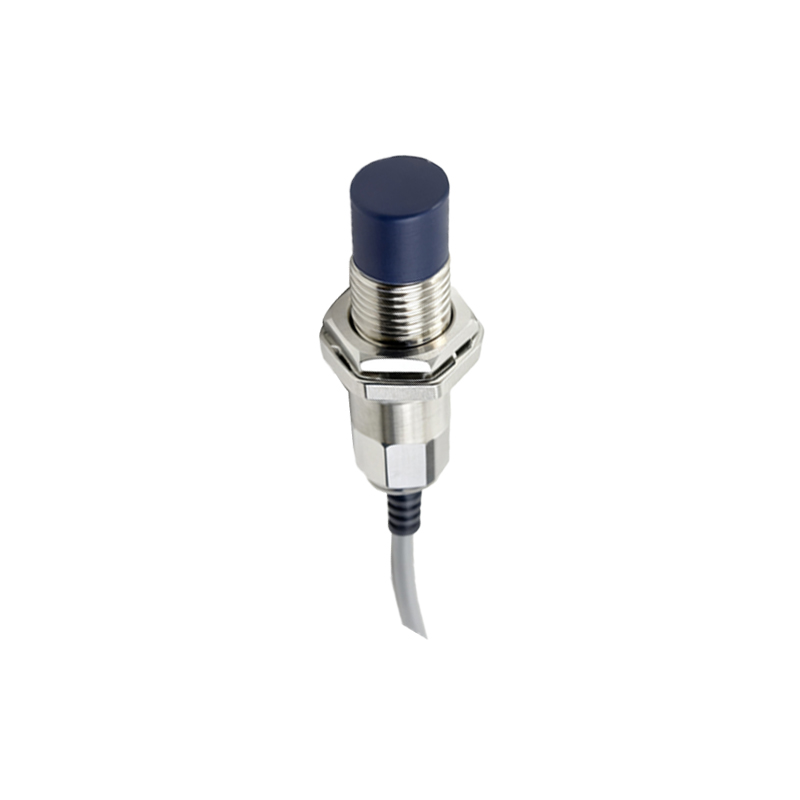
The core technology behind waterproof proximity sensors involves creating a hermetic seal around the sensitive electronic components. This is typically achieved through specialized housing materials like stainless steel (often grade 316L for superior corrosion resistance) or high-grade engineering plastics such as PBT or PPS. The sealing itself employs advanced methods, including laser welding for metal housings or multi-layer epoxy potting for certain designs. These methods ensure an ingress protection rating, commonly reaching IP67, IP68, or even IP69K, which signifies protection against powerful high-temperature water jets. This robustness is non-negotiable for suppliers, as sensor failure in critical applications can lead to significant operational downtime and safety hazards.
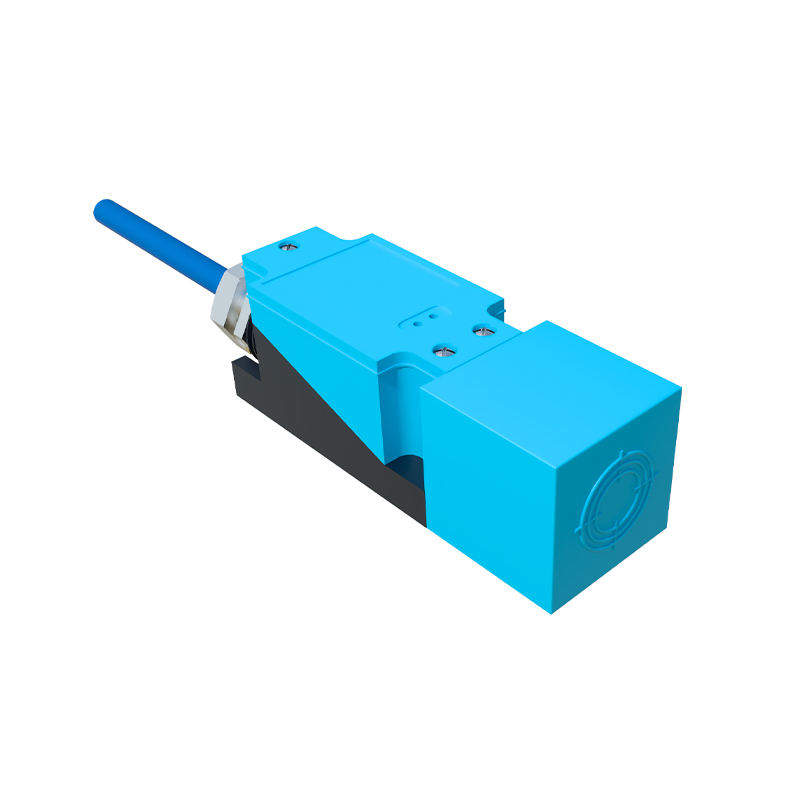
Suppliers in this market segment must navigate several key considerations. First is the sensing technology itself. Inductive sensors are dominant for detecting metallic objects, while capacitive variants can sense non-metallic materials like liquids or plastics through certain barriers. The choice depends entirely on the target material. Second, output configuration is vital. Suppliers provide sensors with diverse outputs—PNP, NPN, analog (4-20mA or 0-10V), or IO-Link for digital communication—to interface seamlessly with different PLCs and control systems. Third, form factor and sensing range are customized. Cylindrical M12, M18, and M30 housings are industry standards, but rectangular or block-style sensors are supplied for specific mounting constraints. Sensing distances can vary from a few millimeters to several tens of millimeters.
The application areas driving supply are vast and varied. In food and beverage processing, waterproof sensors monitor fill levels, detect containers on washdown conveyor belts, and ensure packaging integrity, all while enduring frequent high-pressure cleaning with caustic chemicals. Automotive manufacturing lines utilize them for robotic guidance, part presence verification in welding and painting booths, and fluid level monitoring in coolant systems. Water treatment and marine applications rely heavily on these sensors for pump control, valve positioning, and detecting water levels in tanks or bilges. Furthermore, outdoor equipment, agricultural machinery, and pharmaceutical production environments all create sustained demand for reliable waterproof sensing solutions.
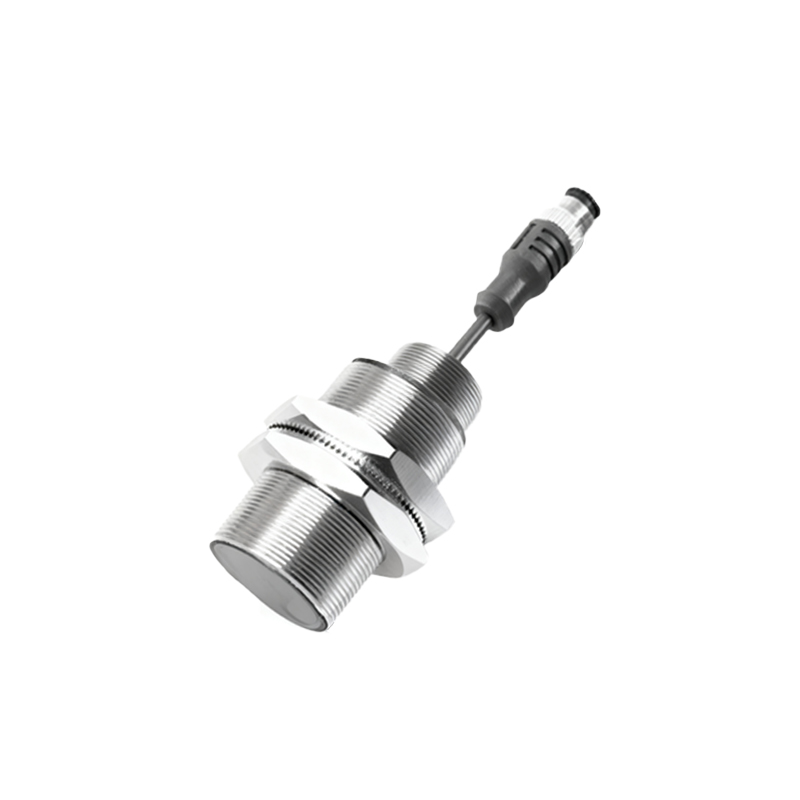
For procurement specialists and engineers, selecting a supplier goes beyond just product catalogs. A reliable supplier demonstrates proven expertise in material science and sealing technology. They offer comprehensive technical data sheets with clear environmental specifications, including not just IP ratings but also operating temperature ranges, resistance to specific chemicals, and pressure ratings if applicable. Supply chain stability and the ability to provide consistent quality across large batches are crucial. Many leading suppliers also offer value-added services like custom cable lengths, specific connector types, or application engineering support to tailor the sensor to a unique problem.
The future of supply in this sector is leaning towards increased intelligence and connectivity. Suppliers are now integrating IO-Link technology into waterproof housings, enabling sensors to transmit not just a simple on/off signal but detailed diagnostic data about their health, temperature, and signal strength. This facilitates predictive maintenance, reducing unplanned downtime. Furthermore, the development of sensors with enhanced resistance to extreme temperatures and more aggressive chemicals continues to be a focus for R&D departments, pushing the boundaries of where automated sensing can be deployed.
In conclusion, the supply of waterproof proximity sensors is a sophisticated field underpinned by engineering excellence and a deep commitment to reliability. It serves as the backbone for automation in challenging environments, ensuring processes run smoothly, safely, and efficiently. Choosing the right supplier partner is a strategic decision, one that hinges on technical capability, product quality, and a shared understanding of the operational challenges faced in the modern industrial world.