Proximity sensors have become indispensable components in modern industrial automation, consumer electronics, and automotive systems. Among the diverse range of proximity sensing technologies, standard proximity sensors represent a mature, reliable, and widely adopted category. These devices detect the presence or absence of an object within a specified range without any physical contact, offering significant advantages in durability, speed, and operational safety.
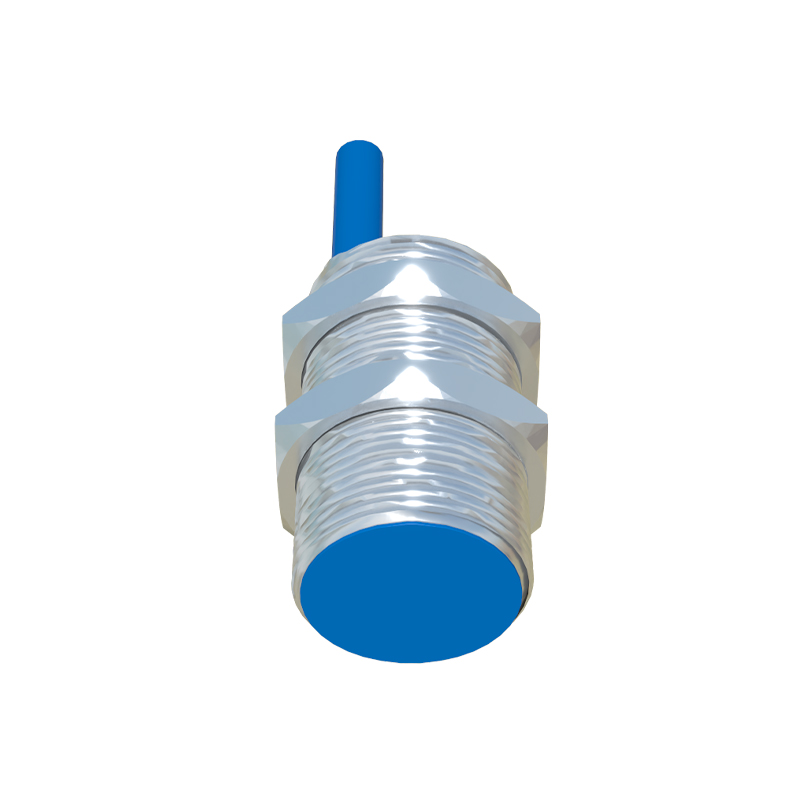
At their core, standard proximity sensors operate on fundamental physical principles. The most prevalent types include inductive, capacitive, and photoelectric sensors. Inductive proximity sensors are the workhorses of industrial environments, specifically designed to detect metallic objects. They generate an electromagnetic field and react to changes caused by eddy currents induced in a conductive target. This makes them ideal for harsh conditions involving dirt, oil, or moisture, as the sensing face can be sealed. Common applications include position sensing of machine parts, counting metallic objects on conveyors, and detecting the open or closed state of metal doors or valves.
Capacitive proximity sensors, in contrast, can detect both metallic and non-metallic materials such as plastics, glass, wood, and liquids. They function by generating an electrostatic field and sensing the capacitance change that occurs when an object enters this field. This versatility makes them suitable for level detection in tanks (for liquids or granular materials), material handling, and presence detection of non-metallic packaging or products. Their sensitivity can often be adjusted to ignore certain materials or container walls.
Photoelectric sensors represent another major standard category, using a beam of light to detect objects. They come in three primary configurations: through-beam, retro-reflective, and diffuse reflective. Through-beam models offer the longest sensing ranges and highest reliability, using separate emitter and receiver units. Retro-reflective types use a single unit and a reflector, while diffuse sensors detect light reflected directly from the target itself. Photoelectric sensors are excellent for detecting objects of various colors and materials at higher speeds and are commonly found in packaging, material handling, and assembly line automation.
The performance of any standard proximity sensor is defined by key specifications. The sensing range, typically stated in millimeters, indicates the maximum distance at which a standard target can be reliably detected. Repeatability refers to the sensor's consistency in detecting an object at the same point. Response time is critical for high-speed applications, denoting how quickly the sensor can signal a detection. Environmental factors like temperature rating, ingress protection (IP code), and resistance to chemicals or welding spatter are crucial for selecting the right sensor for a given operating condition.
Electrical output is another defining characteristic. Standard sensors are available with various output types, including DC versions with NPN (sinking) or PNP (sourcing) transistor outputs, and AC versions. Two-wire AC/DC sensors simplify wiring but require careful consideration of residual current. Many modern sensors also feature IO-Link capability, providing digital communication for parameter setting, diagnostics, and process data exchange, enhancing their functionality within Industry 4.0 frameworks.
Installation and application considerations are paramount for reliable operation. Factors such as the target material's properties, size, and approach direction affect performance. For inductive sensors, the target material's conductivity and thickness are critical. Mounting in metal (flush mounting) versus non-metal surroundings affects the effective sensing range due to the influence of the electromagnetic field. Proper alignment, avoidance of mutual interference between multiple sensors, and protection from physical damage are standard best practices.
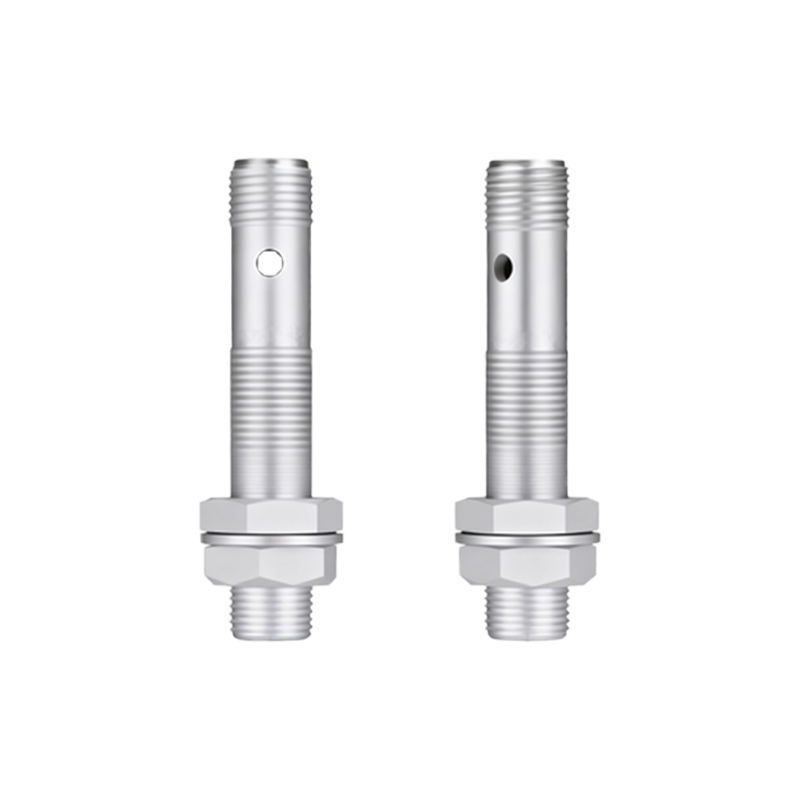
The advantages of using standard proximity sensors are clear. Their non-contact nature eliminates mechanical wear, ensuring a long operational life. They enable high-speed detection and counting, far surpassing mechanical limit switches. Their sealed construction allows reliable operation in challenging environments where contamination, vibration, or temperature extremes would fail other sensing methods. Furthermore, their standardized form factors and mounting styles, such as cylindrical M8, M12, M18, M30 threads, or rectangular housings, ensure easy integration and replacement across a vast ecosystem of industrial components.
From bottling plants and automotive assembly robots to elevator door control and smartphone screen blanking, standard proximity sensors perform critical, often unseen, functions. They form the foundational layer of feedback for control systems, ensuring precision, safety, and efficiency. As automation continues to evolve, these robust and proven devices remain essential, continually being refined with smarter electronics and connectivity to meet the demands of increasingly sophisticated applications. Their simplicity, reliability, and cost-effectiveness guarantee their continued prominence in the sensor landscape for years to come.