In the realm of industrial automation and precision control, the ability to detect the presence or absence of an object without physical contact is fundamental. Among the various sensing technologies available, absolute proximity sensors stand out for their reliability and specific operational characteristics. Unlike their incremental or analog counterparts, these sensors provide a definitive, discrete output signal—typically a simple ON or OFF—based on an object reaching a precise, predetermined detection threshold. This binary nature makes them indispensable for applications requiring clear-cut decision points in a process.
The core principle behind an absolute proximity sensor is the detection of a physical change caused by a target object within its sensing field. The most common technologies employed are inductive, capacitive, and photoelectric. Inductive sensors generate an electromagnetic field and react to the eddy currents induced in metallic targets. They are robust, resistant to environmental contaminants like dust or oil, and are the go-to choice for detecting metal objects in harsh manufacturing environments. Capacitive sensors, on the other hand, detect changes in capacitance and can sense a wider variety of materials, including liquids, plastics, and wood, making them suitable for level detection or non-metallic object handling. Photoelectric sensors use a beam of light (visible, infrared, or laser) and detect the presence of an object by either the interruption of the beam (through-beam), its reflection from the target (retro-reflective), or the reflection diffused from the object itself (diffuse).
What defines an absolute sensor is its switching behavior. The output changes state abruptly at a specific sensing distance, known as the nominal sensing range (Sn). This switching point is fixed and repeatable. There is no proportional analog signal indicating how close or far an object is; the sensor provides a definitive "target present" or "target absent" signal. This contrasts with analog sensors, which output a continuous signal proportional to distance, requiring further interpretation by a controller. The absolute sensor's digital output is directly compatible with programmable logic controllers (PLCs) and other digital input modules, simplifying system design and programming.
The advantages of using absolute proximity sensors are numerous. Their solid-state design, with no moving mechanical parts, ensures long operational life and high reliability under constant use. They offer high switching speeds, capable of detecting objects thousands of times per minute, which is critical in high-speed production lines. Their immunity to physical wear and tear, as there is no physical contact with the target, minimizes maintenance. Furthermore, their sealed housings often provide high degrees of ingress protection (IP ratings), allowing them to perform reliably in wet, dusty, or corrosive environments.
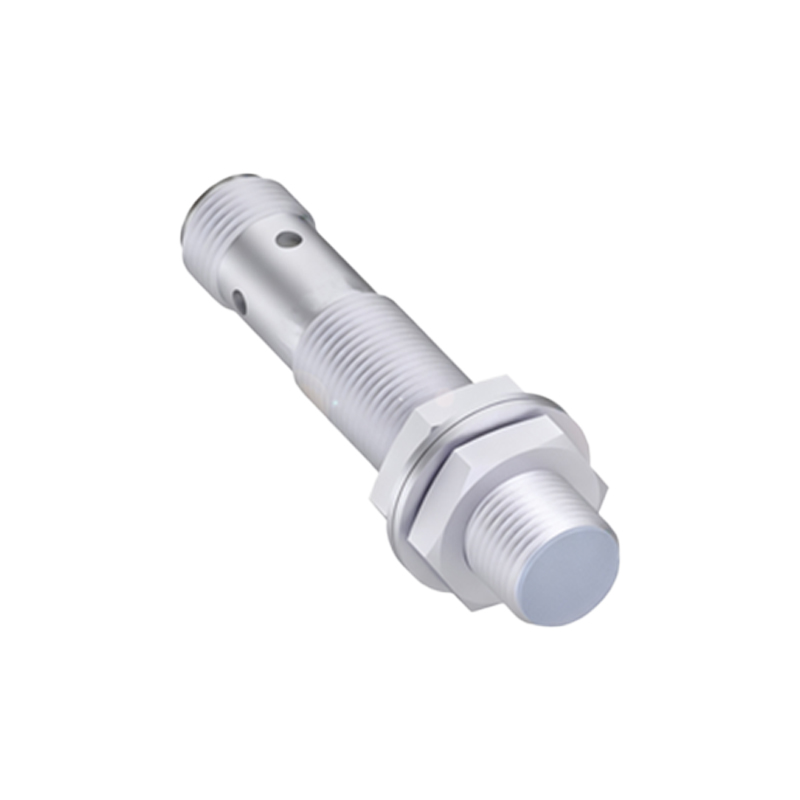
In industrial applications, these sensors are ubiquitous. On assembly lines, they count products, verify the presence of components, or control the positioning of robotic arms. In material handling, they detect the position of pallets on conveyors or the end-of-travel limits on automated guided vehicles (AGVs). Machine safety systems utilize them as part of interlock guards to ensure access doors are closed before machinery operates. Inductive sensors are pivotal in CNC machining centers for tool positioning and workpiece detection. Capacitive sensors monitor fill levels in tanks containing non-conductive fluids or granular materials.
Selecting the right absolute proximity sensor requires careful consideration of several factors. The material of the target object is primary in choosing between inductive and capacitive types. The required sensing distance, the size of the sensor housing for installation constraints, the electrical output type (e.g., NPN or PNP sinking/sourcing), and the supply voltage must align with the control system. Environmental conditions such as temperature extremes, potential washdowns, or exposure to chemicals dictate the necessary housing material and IP rating.
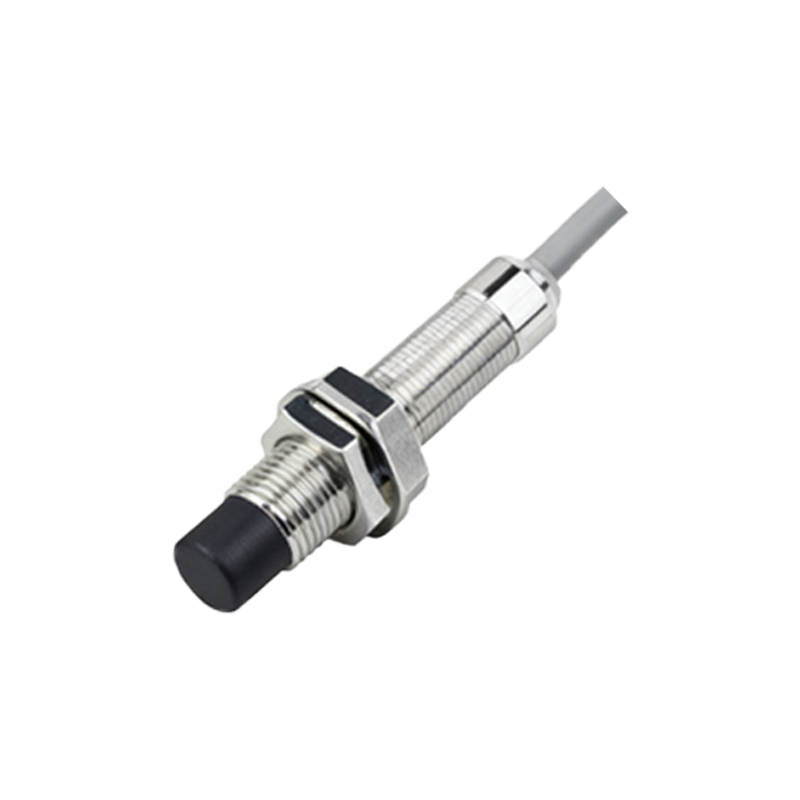
In summary, absolute proximity sensors are the workhorses of discrete event sensing in automation. Their simple, robust, and reliable digital operation provides the essential yes/no feedback that forms the backbone of countless control sequences. From packaging machines to automotive welding robots, their silent, unwavering detection enables the precision, speed, and efficiency that define modern industrial processes. Understanding their principles and proper application is key to designing effective and resilient automated systems.