In industrial automation, robotics, and precision measurement, laser positioning sensors are widely used for their accuracy and reliability. A common question that arises among operators, engineers, and safety personnel is: "Do laser positioning sensors emit radiation?" This concern often stems from confusion between different types of electromagnetic emissions and a general awareness of radiation risks. Let’s clarify this topic with scientific facts and practical safety insights.
First, it is essential to understand what "radiation" means. In physics, radiation refers to energy emitted in the form of waves or particles. This broad category includes ionizing radiation (like X-rays and gamma rays), which carries enough energy to remove electrons from atoms and can damage living tissue, and non-ionizing radiation (such as visible light, radio waves, and infrared), which lacks that ionizing capability. Laser positioning sensors typically operate using laser diodes that emit coherent light in the visible or near-infrared spectrum. This light is a form of non-ionizing radiation.
The lasers in these sensors are generally classified under safety standards like IEC 60825-1 or FDA regulations. Most industrial laser positioning sensors fall into Class 1, Class 2, or Class 3R categories. Class 1 lasers are considered safe under all conditions of normal use, emitting power levels low enough to pose no hazard. Class 2 lasers, often visible, are safe because the human blink reflex provides natural protection. Class 3R may pose a slight risk if viewed directly, but industrial enclosures usually prevent exposure. Crucially, none of these classes involve ionizing radiation.

So, while laser sensors do emit "radiation" in the strict sense of emitting light energy, they do not produce harmful ionizing radiation like that from nuclear sources or medical X-ray machines. The primary risks associated with laser positioning sensors are related to the intensity and focus of the light beam itself. Direct eye exposure to a powerful laser beam can cause retinal damage, and in rare cases, high-power infrared lasers could potentially heat surfaces. However, these are thermal or photochemical hazards, not radiation poisoning or contamination.
Manufacturers design laser positioning sensors with multiple safety features. These include protective housings, emission indicators, interlocks, and beam attenuators. Proper installation ensures the laser is aligned correctly and often enclosed within machinery, minimizing any chance of accidental exposure. Regulatory compliance requires clear labeling of laser class and warnings, helping users handle devices safely.
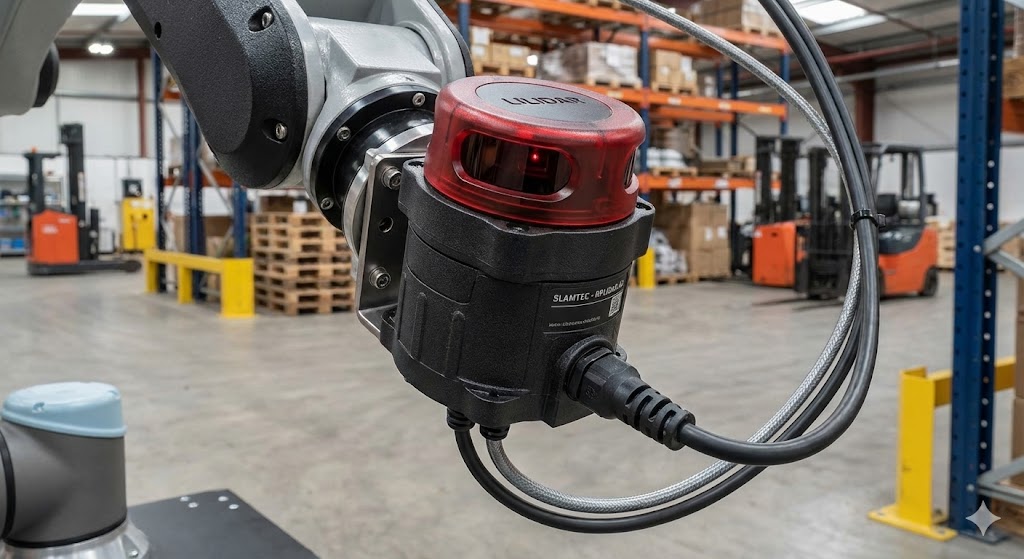
In workplace environments, following safety guidelines is key. Operators should never look directly into the laser beam, even if it is classified as low-risk. Using protective eyewear rated for the specific laser wavelength is advisable when maintenance or alignment requires open access. Regular risk assessments should consider not just the laser itself, but also reflective surfaces and system integration.

It’s also worth noting that some individuals confuse laser sensors with other sensor types, such as ultrasonic or radar-based sensors, which use sound waves or radio waves—also forms of non-ionizing radiation. The electromagnetic spectrum is vast, and most industrial sensors operate in harmless regions.
In summary, laser positioning sensors emit non-ionizing optical radiation in the form of focused light. They are not radioactive and do not produce ionizing radiation. Their safety is well-regulated, and risks are manageable through proper design, labeling, and operational practices. By understanding the technology and adhering to safety protocols, users can leverage the benefits of laser positioning without undue concern about radiation hazards. Always refer to the manufacturer’s datasheet and relevant safety standards for specific product details.