In the rapidly evolving landscape of industrial automation and smart technology, the demand for reliable, accurate, and safe sensing solutions has never been higher. Among the most critical components in this domain are laser sensors, devices that utilize laser light to detect, measure, and inspect objects with unparalleled precision. However, not all laser sensors are created equal. The distinction between standard and authorized laser sensors is paramount, representing the difference between mere functionality and guaranteed performance, safety, and regulatory compliance.
Authorized laser sensors are products that have undergone rigorous testing, certification, and validation processes by recognized standards bodies and the original equipment manufacturers (OEMs) themselves. This authorization is not merely a label; it is a comprehensive assurance. It signifies that the sensor meets stringent international standards for performance, such as those set by the International Electrotechnical Commission (IEC), and for safety, particularly concerning laser radiation as classified by the FDA in the United States or similar authorities globally (e.g., Class 1, Class 2). Using an authorized sensor means it has been designed and built to deliver specified accuracy, repeatability, and long-term stability under defined industrial conditions.
The journey to authorization involves multiple checkpoints. First, the sensor's core technology—its laser diode, optics, and signal processing electronics—must demonstrate consistent performance. Parameters like measurement resolution, linearity, response time, and background light immunity are thoroughly evaluated. For example, a laser distance sensor authorized for use in semiconductor fabrication must reliably detect minute height variations on a silicon wafer, often in the micron range, without interference from other light sources in the cleanroom.
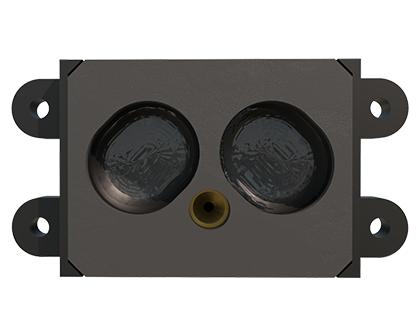
Second, and crucially, is laser safety certification. Industrial laser sensors typically operate with Class 2 or Class 3R lasers. Authorization ensures these products incorporate necessary safety features like protective housings, emission indicators, and beam shut-offs to prevent accidental exposure that could harm human eyesight. Compliance with standards like IEC 60825-1 is non-negotiable for legal operation in most markets, protecting both end-users and integrators from liability.
Beyond technical specs, authorization often involves validation by the platform or system manufacturer. Major providers of factory automation systems frequently maintain lists of authorized or recommended sensors. These sensors are guaranteed to communicate seamlessly with the system's controllers (e.g., via IO-Link, PROFINET, EtherNet/IP) and are supported by dedicated software plugins and drivers. This eliminates integration guesswork, reduces commissioning time from days to hours, and ensures access to genuine firmware updates and technical support.
The practical benefits of opting for authorized laser sensors are substantial across industries. In automotive assembly, authorized high-speed laser sensors verify the precise placement of components like airbags or brake pads, where a failure could be catastrophic. In pharmaceutical packaging, authorized sensors ensure blister packs are correctly filled and sealed, directly impacting patient safety and regulatory audits (e.g., FDA 21 CFR Part 11). In logistics, authorized laser measurement sensors accurately dimension parcels for shipping, directly affecting revenue and operational efficiency.
Conversely, the risks associated with unauthorized or counterfeit laser sensors are severe. These devices may appear similar and cost less initially but often lack proper calibration, use substandard components, and bypass safety certifications. The consequences can include inaccurate measurements leading to product defects, unplanned production downtime, and potential safety hazards from improper laser emission. Furthermore, using unauthorized sensors can void warranties on the larger machinery they are integrated into and lead to non-compliance fines during regulatory inspections.
Selecting an authorized laser sensor begins with identifying the application's core requirements: measurement type (distance, position, profile), range, accuracy, target material, and environmental conditions (dust, temperature, vibration). Engineers should then consult the official documentation and authorized distributor networks of reputable sensor manufacturers. Datasheets for authorized products will clearly list relevant certifications and compliance marks. Engaging with technical sales support from these authorized channels provides application-specific guidance that generic suppliers cannot match.
Looking ahead, the role of authorization will grow with trends like Industry 4.0 and the Industrial Internet of Things (IIoT). Authorized laser sensors with embedded intelligence and digital communication protocols are becoming the data acquisition points for predictive maintenance and process optimization algorithms. Their authorized status guarantees the quality and reliability of this foundational data, upon which entire smart factories depend.
In conclusion, in a world where precision, reliability, and safety are inextricably linked to productivity and profitability, authorized laser sensors are not an optional premium but a fundamental necessity. They represent a partnership between the user and the manufacturer, grounded in verified performance and shared responsibility. For any organization serious about building resilient, efficient, and compliant automated systems, investing in authorized laser sensing technology is the clear and responsible path forward.