Proximity sensors are fundamental components in modern automation, robotics, and consumer electronics, enabling devices to detect the presence or absence of nearby objects without physical contact. The performance, reliability, and cost of these sensors are intrinsically linked to the raw materials used in their construction. This article delves into the core materials that form the backbone of various proximity sensing technologies.
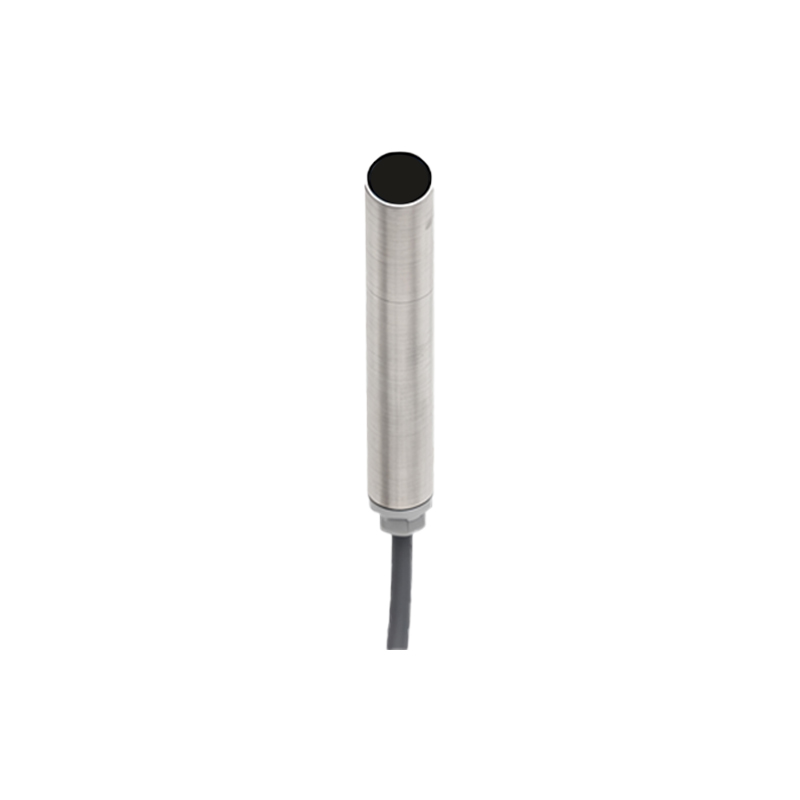
The choice of raw material is primarily dictated by the underlying sensing principle. For inductive proximity sensors, which detect metallic objects, ferrite cores are a critical component. These ceramic compounds, typically made from iron oxide mixed with oxides of manganese, zinc, or nickel, are essential for concentrating the electromagnetic field generated by the sensor's coil. The quality and composition of the ferrite directly influence the sensor's sensing range, stability, and resistance to temperature fluctuations. The coil itself is wound from high-purity copper or aluminum wire, chosen for their excellent electrical conductivity. The sensor housing is often constructed from nickel-plated brass or stainless steel to provide electromagnetic shielding, mechanical robustness, and resistance to industrial environments.
Capacitive proximity sensors, capable of detecting both metallic and non-metallic materials, rely on different material sets. The sensing face is a key electrode, frequently made from a conductive material like copper or a conductive polymer. This electrode is often coated with a dielectric material, such as PTFE (Teflon) or a specialized epoxy resin. This coating protects the electrode from moisture, chemicals, and physical abrasion while forming the essential capacitor plate. The housing materials must be non-conductive to prevent interference; therefore, engineering plastics like PBT (Polybutylene Terephthalate) or PPS (Polyphenylene Sulfide) are commonly used for their strength, dimensional stability, and resistance to high temperatures and harsh chemicals.
For photoelectric sensors, which use light beams for detection, optical-grade materials are paramount. The light emitter is typically a Light Emitting Diode (LED) or a laser diode. The semiconductor materials for these components are grown from crystalline substrates like Gallium Arsenide (GaAs) for infrared LEDs or Gallium Nitride (GaN) for visible and blue-light LEDs. The lens that focuses the light beam is precision-molded from optically clear plastics such as polycarbonate (PC) or polymethyl methacrylate (PMMA, acrylic). These materials must offer exceptional clarity, minimal light dispersion, and high scratch resistance. The sensor body housing the electronic components is again often made from rugged, chemically resistant plastics.
Magnetic proximity sensors, or reed switches, utilize specialized magnetic materials. The heart of the switch consists of two thin, ferromagnetic nickel-iron reed blades sealed within a glass envelope filled with an inert gas. The precise alloy of the reeds and the purity of the glass are critical for ensuring consistent magnetic operation and a long, reliable lifespan free from contact oxidation.

Beyond the core sensing elements, the printed circuit boards (PCBs) that host the sensor's electronics are made from fiberglass-reinforced epoxy laminate (FR-4). Conductive traces on these boards are primarily copper. Finally, the interconnecting wires and cables use copper conductors insulated with materials like PVC, PUR, or TPE, selected for flexibility, oil resistance, and durability.
The global supply chain for these raw materials faces ongoing challenges, including price volatility for metals like copper and nickel, and geopolitical factors affecting rare-earth elements used in some advanced magnetic materials. Consequently, sensor manufacturers are continuously researching alternatives, such as advanced composite polymers and new semiconductor dopants, to enhance performance, reduce costs, and improve sustainability. Understanding these fundamental materials provides valuable insight into the capabilities, limitations, and future evolution of proximity sensing technology across all industries.