In industrial automation, manufacturing, and countless electronic devices, proximity sensors play a crucial role. They detect the presence or absence of an object without physical contact, enabling precision, safety, and efficiency. When sourcing these components, one of the most common and critical questions is: "What is the price?" The answer is rarely a single figure. The cost of a proximity sensor is influenced by a complex interplay of technology, specifications, and market factors. Understanding these elements is key to making an informed purchase that balances budget with performance requirements.
Firstly, the underlying sensing technology is a primary cost driver. Inductive sensors, used for detecting metallic objects, are generally the most economical, with basic shielded models starting as low as $15 to $30 USD. Capacitive sensors, capable of detecting both metallic and non-metallic materials like liquids or plastics, typically carry a higher price tag, often ranging from $30 to $80 for standard units. Ultrasonic sensors, offering longer ranges and the ability to detect a wide variety of materials regardless of color or transparency, are more expensive, commonly falling between $50 and $200. Photoelectric sensors, with variants like through-beam, retro-reflective, and diffuse, have a very broad price spectrum from $20 for simple models to over $300 for highly specialized, long-range, or background suppression types.
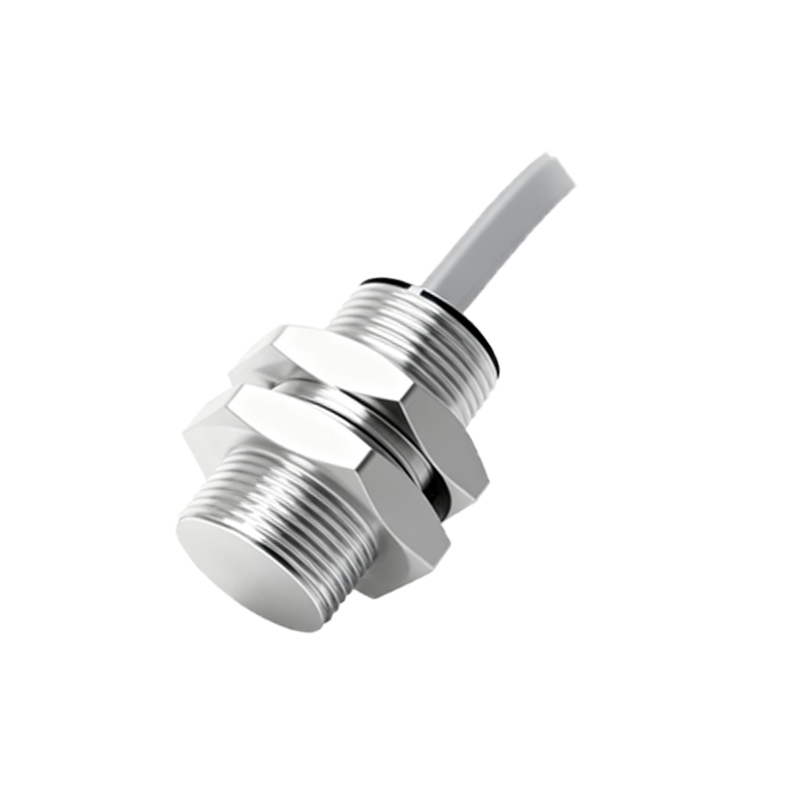
Beyond the core technology, performance specifications significantly impact the price. Sensing range is a major factor; a sensor with a 2mm range will cost substantially less than one with a 20mm or 100mm range. The housing material also matters. Plastic-bodied sensors are less expensive, while those housed in stainless steel (e.g., for food-grade or harsh chemical environments) command a premium. Output type plays a role as well. Basic models with a simple NPN or PNP transistor output are standard. Sensors with analog outputs (4-20mA, 0-10V) for distance proportionality, or those with advanced IO-Link digital communication for diagnostics and parameter setting, are more costly. Environmental ratings are critical. A sensor with an IP67 rating (dust-tight and protected against temporary immersion) is standard for many factories. However, models with higher ingress protection (IP68, IP69K) or specific certifications for explosion-proof (ATEX, IECEx) applications can double or triple the base price.
The brand and supply chain position are undeniable factors in the final quotation. Established global brands like Omron, Sick, Pepperl+Fuchs, and Balluff are associated with high reliability, extensive R&D, and global support networks, which is reflected in their prices. Their sensors are often at the higher end of the spectrum. Conversely, many reputable manufacturers and distributors offer high-quality generic or "white-label" sensors that provide excellent value, sometimes at 30-50% lower cost for comparable specifications. The choice often boils down to the criticality of the application and the total cost of ownership, which includes downtime risk.
Purchase volume is a universal lever in pricing. Buying a single sensor from a distributor will result in a list price. Procuring 100 or 1000 units for a production line typically unlocks significant volume discounts, which can be negotiated directly with manufacturers or large distributors. Furthermore, the choice of distributor matters. Prices can vary between different regional distributors, online marketplaces, and direct sales channels. It is always prudent to obtain multiple quotations.
To navigate the market effectively, start by meticulously defining your application needs: target material, required sensing distance, environmental conditions (temperature, contaminants), output signal needed, and required housing size. Avoid over-specifying; a sensor with capabilities far beyond your needs is an unnecessary expense. Once specifications are clear, solicit quotes from at least three different suppliers, including both brand-name and value-oriented providers. Scrutinize the quotation details beyond the unit price. Consider lead times, warranty terms, technical support availability, and minimum order quantities. For non-critical applications or prototyping, consider reputable online electronics suppliers. For mission-critical, high-volume production integration, engaging directly with a manufacturer or their authorized distributor is advisable to ensure consistency and long-term supply.
In conclusion, a proximity sensor quotation is more than just a number. It is a reflection of technology, performance, brand value, and supply logistics. By investing time in requirement analysis and market comparison, buyers can secure not just a competitive price, but the optimal sensor solution that ensures reliability and cost-effectiveness for their specific application.