In the world of industrial automation, robotics, and smart devices, proximity sensors are the silent workhorses. They detect the presence or absence of objects without physical contact, enabling countless automated processes. With a market flooded with options from numerous manufacturers, selecting the right sensor can be daunting. This guide provides a detailed ranking of top proximity sensor brands and popular models, based on factors like reliability, innovation, product range, and market presence in 2024.
When evaluating proximity sensors, several key performance indicators come into play. Sensing range, repeat accuracy, response time, and environmental durability (such as resistance to dust, water, or chemicals) are critical. Furthermore, the type of output (PNP/NPN, analog, IO-Link) and housing material significantly influence suitability for specific applications.
Leading the pack in the global market is Sick AG. The German sensor giant is renowned for its precision engineering and robust designs suitable for harsh environments. Their product portfolio is vast, but the IMC30 Series inductive sensors stand out for their exceptional reliability in factory automation. For demanding logistic applications, their WTT Series photoelectric sensors offer long ranges and high immunity to ambient light. Sick consistently scores top marks for innovation and after-sales support.
A close contender and often the first choice for many engineers is Omron Corporation. The Japanese powerhouse excels in manufacturing compact, highly reliable sensors at competitive prices. The E2E Series of inductive proximity sensors is arguably one of the most widely used and trusted families in the industry, known for its durability. Their E3Z Photoelectric Sensors are celebrated for their easy setup, stable detection, and modular design. Omron's strength lies in its consistent quality and extensive distribution network.
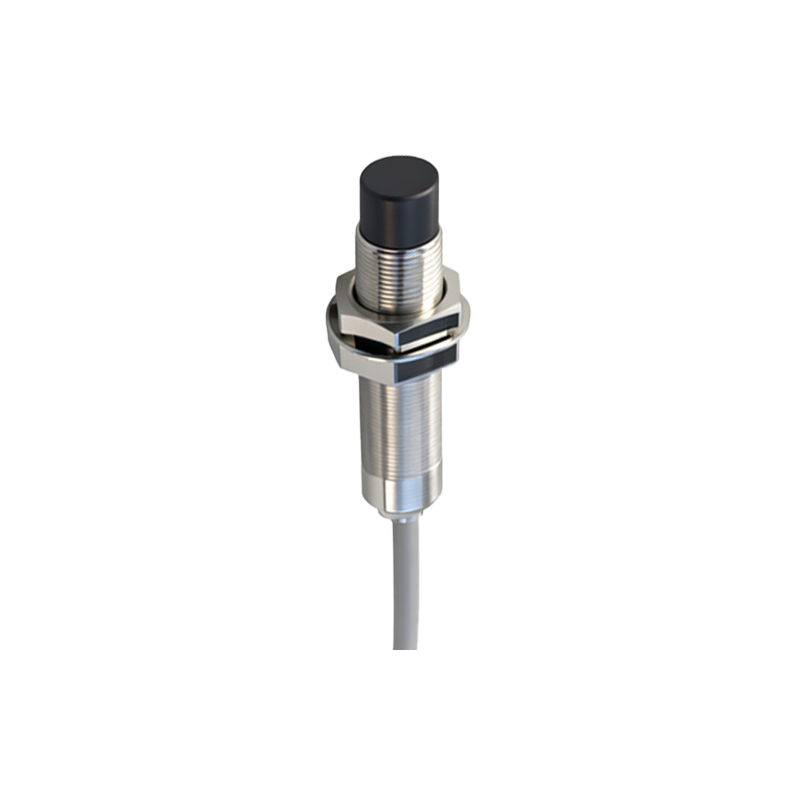
Pepperl+Fuchs, another German specialist, holds a dominant position, particularly in intrinsic safety and hazardous area applications. Their expertise in sensor technology for explosive atmospheres is unmatched. The NJ Series of ultrasonic sensors is highly regarded for its versatility in detecting various materials, including liquids and transparent objects. For inductive sensing, their Factor 1 sensors set a benchmark for performance in minimal space. They are the go-to brand for oil & gas, chemical, and pharmaceutical industries.
Balluff GmbH is celebrated for its high-quality sensors and innovative connectivity solutions. They are pioneers in integrating IO-Link communication into standard sensor housings, paving the way for Industry 4.0. The BOS M Series magnetic field sensors are incredibly popular for pneumatic cylinder position sensing. Their BES inductive sensors offer excellent performance with a wide range of housing styles and connection options, making them highly flexible for machine building.
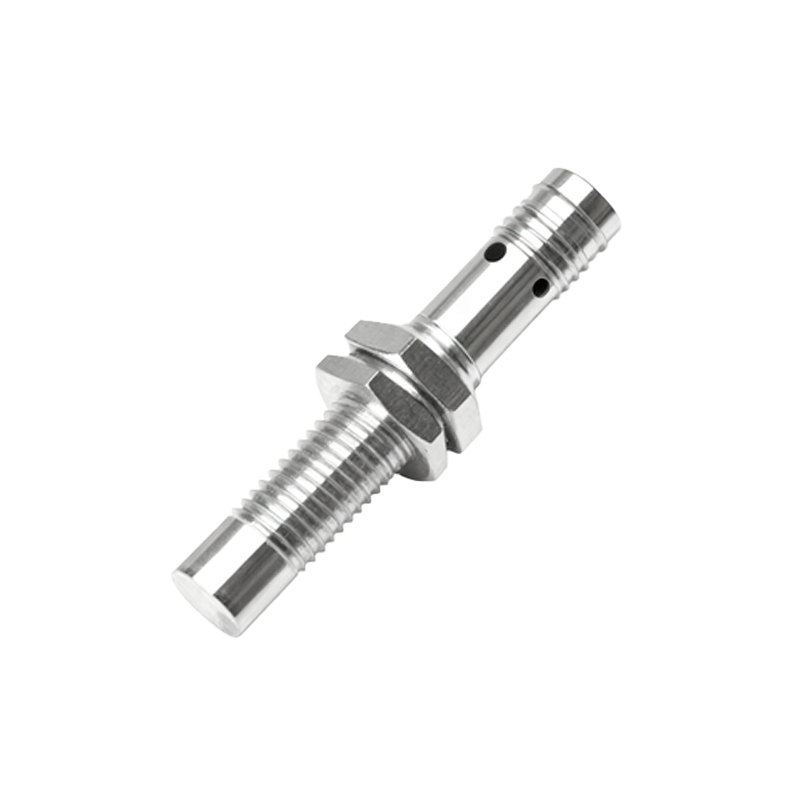
IFM Electronic rounds out the top tier with its user-centric design and diagnostic capabilities. IFM sensors are known for their quick installation and advanced feedback features, like LED indicators that show signal strength. The IQ Series of inductive sensors is a prime example, offering plug-and-play functionality and detailed operating status. Their O5D photoelectric sensors provide background suppression in a very compact housing, ideal for packaging and material handling.
Beyond these established leaders, several other brands deserve mention for specific strengths. Turck is praised for its rugged, high-performance sensors and efficient multiport connection systems. Keyence is synonymous with ultra-high precision and advanced features, often leading in niche applications requiring extreme accuracy or speed, though at a premium price point. Rockwell Automation (Allen-Bradley) offers sensors that integrate seamlessly with their control systems, a significant advantage for existing plant architectures.
Choosing the "best" sensor is not about a single top rank. The optimal choice depends entirely on the application. For a standard machine tool requiring durable object detection, an Omron E2E or a Balluff BES sensor might be the perfect cost-effective solution. For a washdown environment in food and beverage, a stainless-steel housing from Pepperl+Fuchs or Sick is essential. For a smart factory project demanding data-rich devices, sensors with IO-Link from Balluff or ifm provide immense value.
In conclusion, while Sick, Omron, Pepperl+Fuchs, Balluff, and IFM form the core of the top-tier proximity sensor manufacturers, the final selection must be driven by technical requirements, environmental conditions, and integration needs. This ranking serves as a starting point, emphasizing that investing time in sensor selection from these reputable brands pays dividends in system reliability, uptime, and long-term operational efficiency. Always consult specific datasheets and, when possible, test the sensor in the actual application environment.