In the intricate and high-stakes world of railway operations, safety and efficiency are non-negotiable pillars. While locomotives, tracks, and signaling systems often capture the spotlight, a critical yet frequently overlooked component works tirelessly in the background: the railway proximity sensor. These sophisticated devices are fundamental to modern rail networks, acting as the silent sentinels that prevent disasters, optimize traffic, and ensure the seamless movement of goods and passengers.
At its core, a railway proximity sensor is a non-contact device designed to detect the presence or absence of an object—typically a train, a wagon component, or infrastructure—within a specific range. Unlike mechanical switches or human spotters, these sensors perform their duty without physical contact, using various physical principles to generate an electrical signal upon detection. This capability is paramount in the harsh, vibrating, and often dirty environments of rail yards, tunnels, and mainlines.
The technology behind these sensors is diverse, each type suited to particular applications. Inductive proximity sensors are among the most common. They generate an electromagnetic field and detect the eddy current losses caused when a metallic object, like a train wheel or axle, enters this field. They are exceptionally reliable for detecting the metallic components of rolling stock and are largely immune to environmental factors like dust, oil, or rain. Another vital type is the ultrasonic sensor, which emits high-frequency sound waves and measures the time taken for an echo to return. These are excellent for measuring distances, such as checking the clearance between platforms and trains or monitoring the fill level of hopper cars in automated loading systems. For applications requiring detection of non-metallic objects or precise positioning, capacitive sensors are employed, reacting to changes in capacitance caused by any material entering their field.
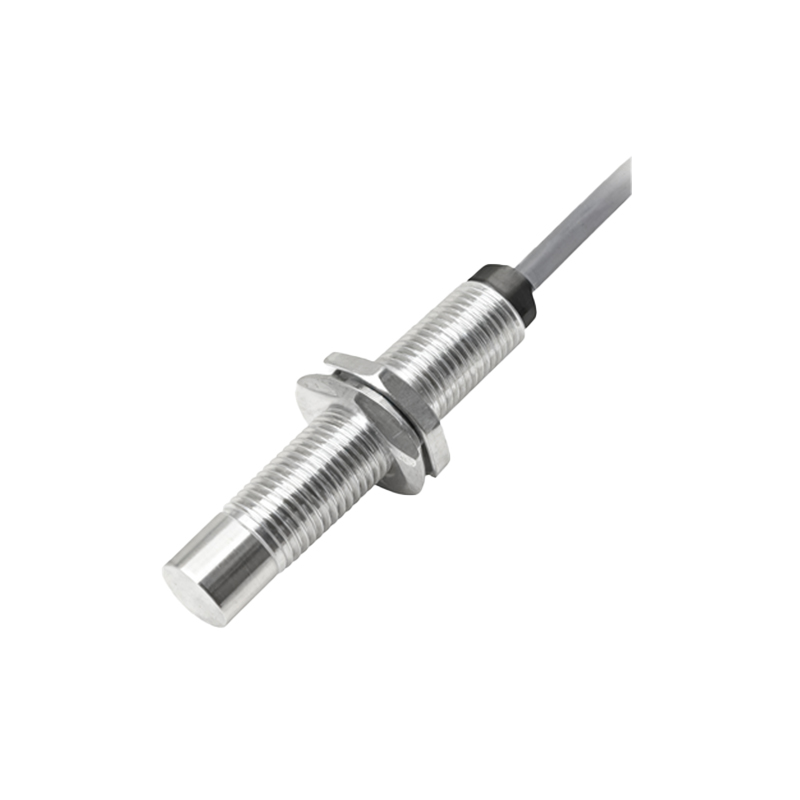
The applications of proximity sensors in rail systems are vast and critical. One of the primary uses is in train detection for signaling and interlocking systems. Sensors placed at track circuits or points (switches) confirm whether a section of track is occupied or clear, providing essential data to the central control system to prevent collisions and manage routes. In automated classification yards, arrays of sensors identify rolling stock, monitor wagon speed, and control retarders to ensure gentle and accurate coupling. They are also indispensable for onboard diagnostics, monitoring conditions like wheel flange wear, bearing temperature (through specialized sensors), and door operation status on passenger trains.
The benefits of deploying advanced proximity sensors are substantial. The foremost is enhanced safety. By providing real-time, accurate data on train position and infrastructure status, they form the bedrock of automatic train protection (ATP) systems, drastically reducing the risk of human error leading to accidents. Furthermore, they drive operational efficiency. Precise detection allows for optimized scheduling, reduced dwell times at stations and yards, and predictive maintenance. For instance, a sensor detecting abnormal wheel vibrations can trigger an inspection before a catastrophic failure occurs. This predictive capability translates into significant cost savings by minimizing unplanned downtime and extending the lifecycle of expensive assets.
However, the implementation of these systems is not without challenges. The railway environment subjects equipment to extreme conditions: constant vibration, wide temperature fluctuations, electromagnetic interference from traction currents, and contamination from brake dust and weather. Therefore, railway-grade proximity sensors must be engineered to exceptional standards of robustness, ingress protection (IP ratings), and reliability. Regular maintenance and calibration are essential to ensure their continued accuracy. The future points toward even smarter systems, with the integration of Industrial Internet of Things (IIoT) capabilities. Sensors equipped with wireless connectivity and self-diagnostic functions can transmit health and performance data directly to maintenance teams, facilitating a shift from scheduled to condition-based maintenance.
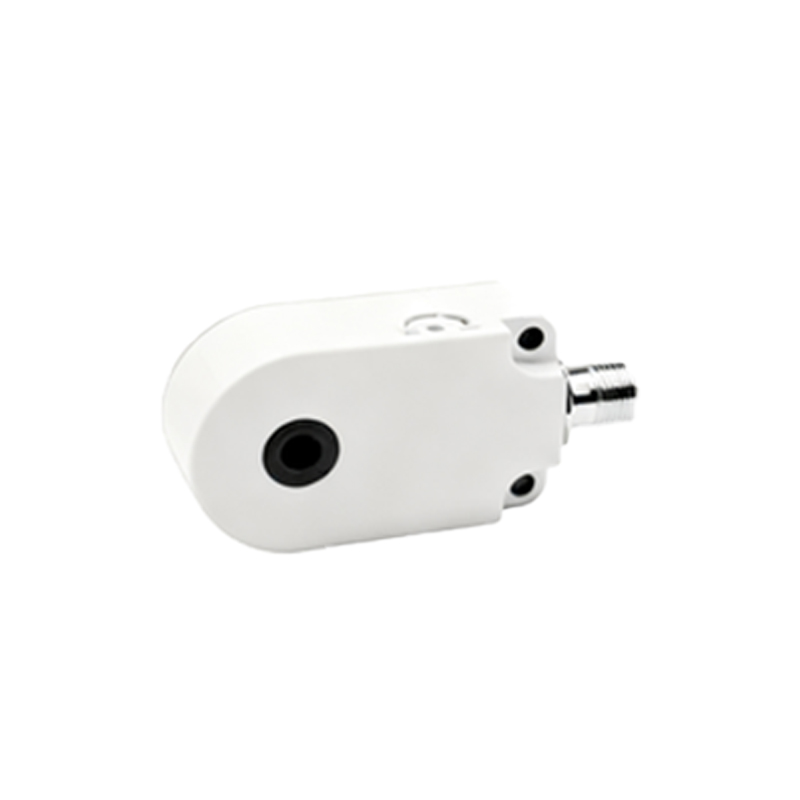
In conclusion, railway proximity sensors are far more than simple switches. They are intelligent, resilient components that form the sensory nervous system of a railway. By converting physical presence into actionable data, they empower control systems to make split-second decisions that safeguard lives and streamline operations. As rail networks worldwide strive for greater automation, capacity, and zero-incident safety records, the role of these unsung heroes will only become more central and sophisticated, quietly ensuring that the wheels of industry and society continue to turn smoothly and safely.