In the intricate world of automation and smart systems, the ability to detect the presence or absence of an object without physical contact is fundamental. Short-range proximity sensors are the unsung heroes enabling this capability, operating silently and reliably in countless applications. These devices are engineered to detect objects within a very limited distance, typically from a few millimeters up to about 30 millimeters, making them distinct from their longer-range counterparts.
The core technology behind these sensors varies, each with unique principles and ideal use cases. Inductive proximity sensors are among the most common. They generate an electromagnetic field and detect the eddy current losses caused when a metallic target enters this field. This makes them exceptionally reliable for detecting metals like steel, aluminum, or copper, and they are completely immune to non-metallic substances like dust, oil, or water. Consequently, they are a staple in harsh industrial environments such as machine tools, robotic arms, and conveyor systems for tasks like counting, positioning, and end-of-travel detection.
Another pivotal type is the capacitive proximity sensor. Instead of an electromagnetic field, it generates an electrostatic field. It can detect virtually any material—metals, plastics, liquids, powders, or even organic matter—by sensing changes in capacitance caused by the target's dielectric constant. This versatility makes them perfect for applications like liquid level detection in tanks, monitoring material levels in hoppers, or detecting non-metallic objects on production lines. However, they can be more susceptible to environmental factors like humidity.
For applications requiring detection of very small objects or precise positioning, photoelectric sensors in a short-range configuration are often employed. These use a beam of light (visible red, infrared, or laser) and detect changes in the received light when an object interrupts or reflects the beam. Diffuse reflective models, where the sensor and emitter are in one housing and detect light reflected from the target, are popular for short-range tasks. They excel in detecting colored marks, transparent materials, or in clean environments like electronics assembly.
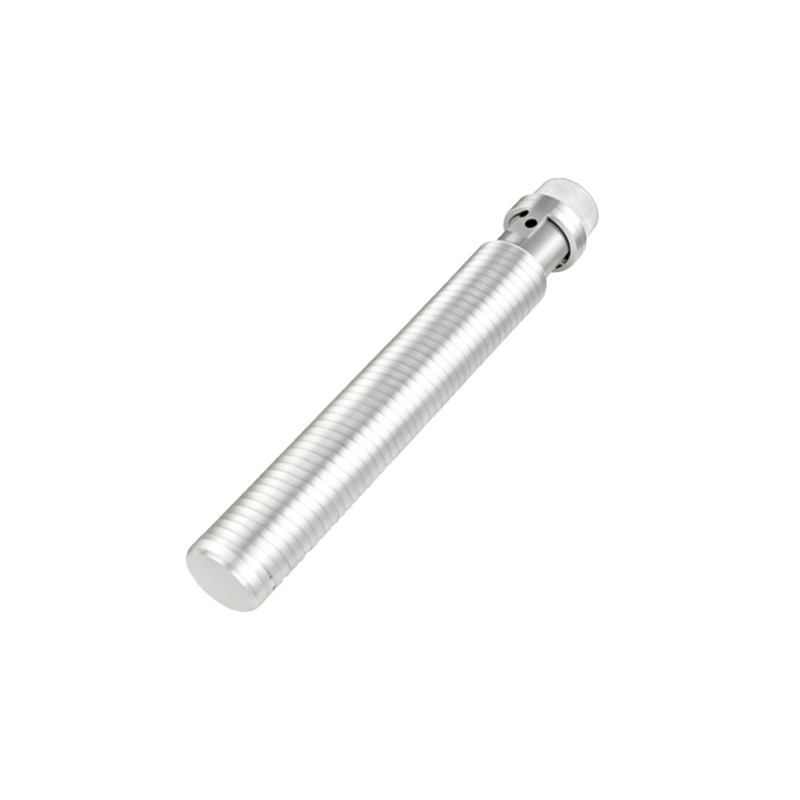
The selection of the right short-range proximity sensor is critical for system performance. Key parameters include sensing distance, which should be derated for reliability; the target material and size; the required switching frequency or response time; and the environmental conditions. Factors like temperature extremes, presence of chemicals, washdown requirements, or strong electrical noise must be considered. The output type, whether NPN or PNP transistor-based, or a digital IO-Link signal for advanced diagnostics and parameterization, must also match the control system's input card.
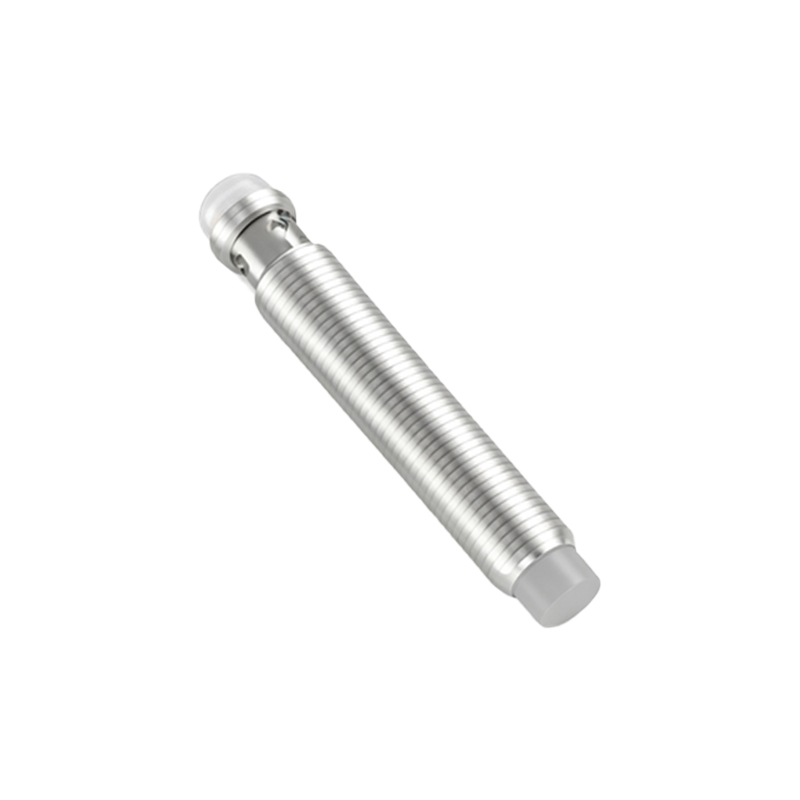
Installation and mounting are equally important. Proper alignment, avoiding sensor-to-sensor interference (especially with inductive types), and ensuring the target approaches the sensor's active face correctly are essential for consistent operation. Many modern sensors feature built-in diagnostics like LED status indicators or IO-Link communication, which provide valuable information for predictive maintenance and troubleshooting, minimizing machine downtime.
Looking ahead, the evolution of short-range proximity sensors is geared towards miniaturization, increased intelligence, and enhanced robustness. The integration of IO-Link is becoming a standard, transforming simple sensors into smart devices that can communicate detailed status, health information, and process data. This aligns with the broader trends of Industry 4.0 and the Industrial Internet of Things (IIoT), where every component on the factory floor contributes to a data-driven ecosystem.
In conclusion, short-range proximity sensors are indispensable components in modern engineering. Their precise, non-contact detection capability forms the foundational layer of feedback for automated systems. From ensuring a robotic gripper has successfully picked up a component to verifying a bottle cap is properly sealed on a high-speed filling line, these sensors provide the critical "yes" or "no" that keeps processes flowing smoothly, safely, and efficiently. Understanding their technologies and careful selection based on the application's specific demands is the key to unlocking their full potential in creating smarter, more responsive automated solutions.