In the world of modern technology, precision and speed are paramount, especially in fields like photography, manufacturing, and robotics. One component that plays a crucial role in achieving such accuracy is the laser autofocus sensor. This device has revolutionized how systems capture sharp images or align objects with incredible efficiency. But what exactly is a laser autofocus sensor, and how does it function? Let's delve into the details.
A laser autofocus sensor is a type of optical sensor that uses laser beams to measure distance and adjust focus automatically. Unlike traditional autofocus methods that rely on contrast detection or phase detection, laser sensors emit a focused beam of light toward a target. The sensor then calculates the time it takes for the laser to reflect back, known as the time-of-flight principle. This data is processed to determine the exact distance between the sensor and the object, allowing for rapid and precise focusing adjustments. The technology is highly effective in various lighting conditions, including low-light environments where other autofocus systems might struggle.
The core components of a laser autofocus sensor include a laser diode, a photodetector, and a processing unit. The laser diode emits the beam, which strikes the target surface. The reflected light is captured by the photodetector, which converts it into an electrical signal. The processing unit analyzes this signal to compute the distance based on the speed of light. This entire process occurs in milliseconds, enabling real-time focus correction. In applications like smartphone cameras, this means users can capture clear photos instantly, even when moving or in dim settings.
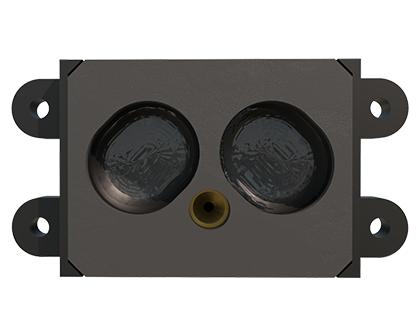
Laser autofocus sensors are widely used across multiple industries. In consumer electronics, they are integrated into smartphones, digital cameras, and video recorders to enhance image quality. For instance, many flagship smartphones feature laser autofocus to improve portrait mode and low-light photography. In industrial settings, these sensors are employed in automated machinery for tasks such as quality inspection, alignment, and robotic guidance. They help ensure that components are assembled correctly or that products meet specific standards without human intervention. Additionally, in medical devices, laser autofocus aids in diagnostic equipment like microscopes, providing sharp visuals for accurate analysis.
The advantages of laser autofocus sensors are numerous. They offer high accuracy, often within micrometer ranges, making them ideal for precision-dependent tasks. Their speed surpasses many conventional methods, reducing latency in autofocus operations. Moreover, they are less affected by ambient light or surface textures, as the laser beam is coherent and can target specific points effectively. However, there are limitations to consider. Laser sensors may struggle with transparent or highly reflective surfaces, as these can scatter or absorb the beam, leading to inaccurate readings. They also tend to consume more power compared to passive autofocus systems, which can impact battery life in portable devices.

Looking ahead, advancements in laser autofocus technology continue to emerge. Researchers are developing miniaturized sensors with lower power consumption for wearable tech and IoT devices. Integration with artificial intelligence is another trend, where sensors can predict focus points based on scene analysis, further improving efficiency. As demand grows for automation and high-quality imaging, laser autofocus sensors are poised to become even more integral to our daily lives and industrial processes.
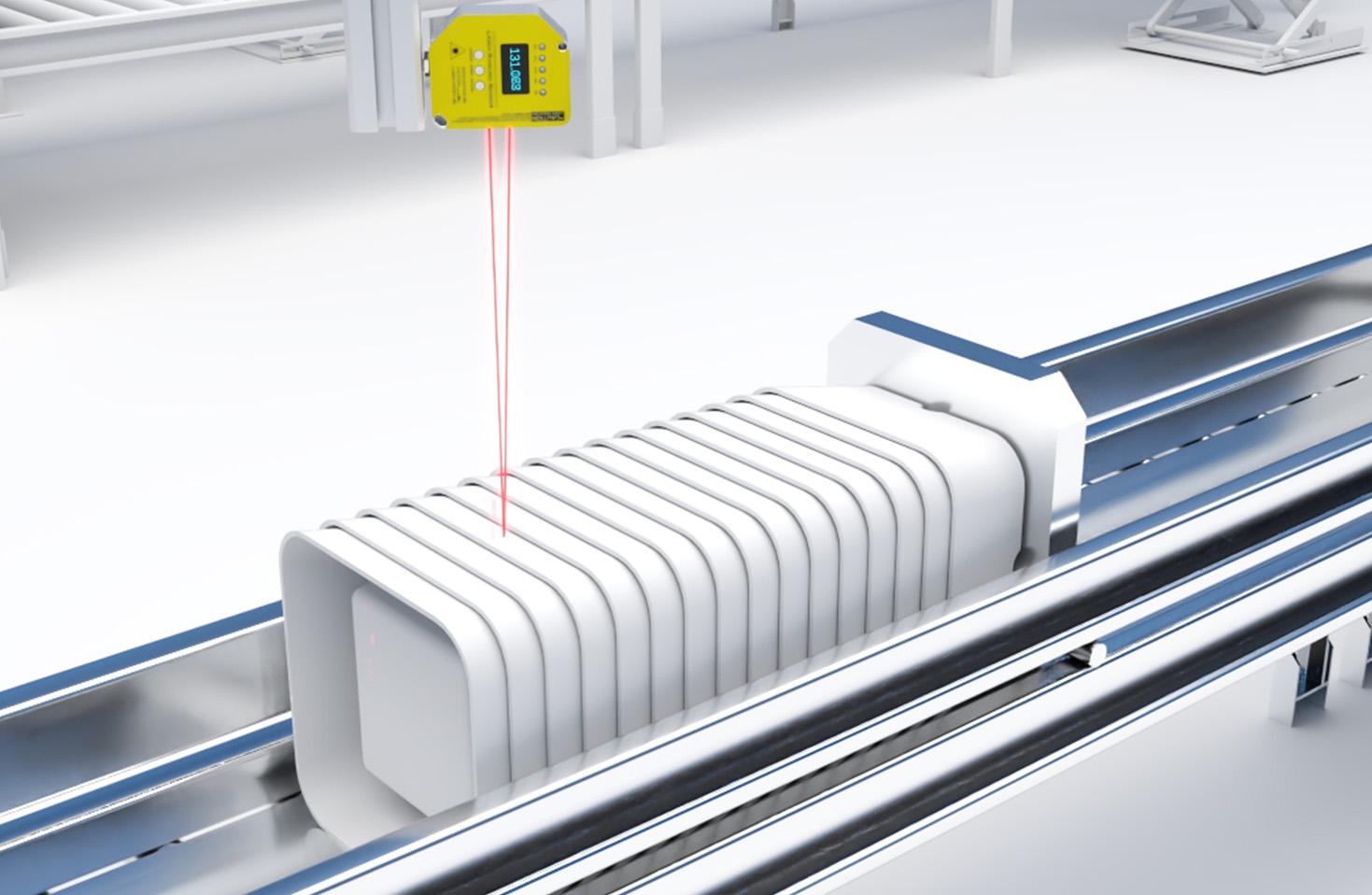
In summary, a laser autofocus sensor is a sophisticated tool that leverages laser technology to achieve fast and accurate focusing. By understanding its working principle and applications, we can appreciate how it enhances everything from smartphone photography to automated manufacturing. As technology evolves, these sensors will likely play an even greater role in driving innovation across sectors.