Introduction to Photoelectric Sensors in Power Plants
Photoelectric sensors are critical components in modern power plants, enabling precise detection of objects, levels, and positions without physical contact. These sensors utilize light beams—typically infrared, visible, or laser—to monitor various processes, from coal conveyor belts to steam turbine alignments. In the demanding environment of a power plant, where high temperatures, dust, and vibration are common, robust photoelectric sensors ensure reliable operation and minimize downtime. Their ability to operate in harsh conditions makes them indispensable for optimizing energy generation and ensuring worker safety.
Types of Photoelectric Sensors Used in Power Generation
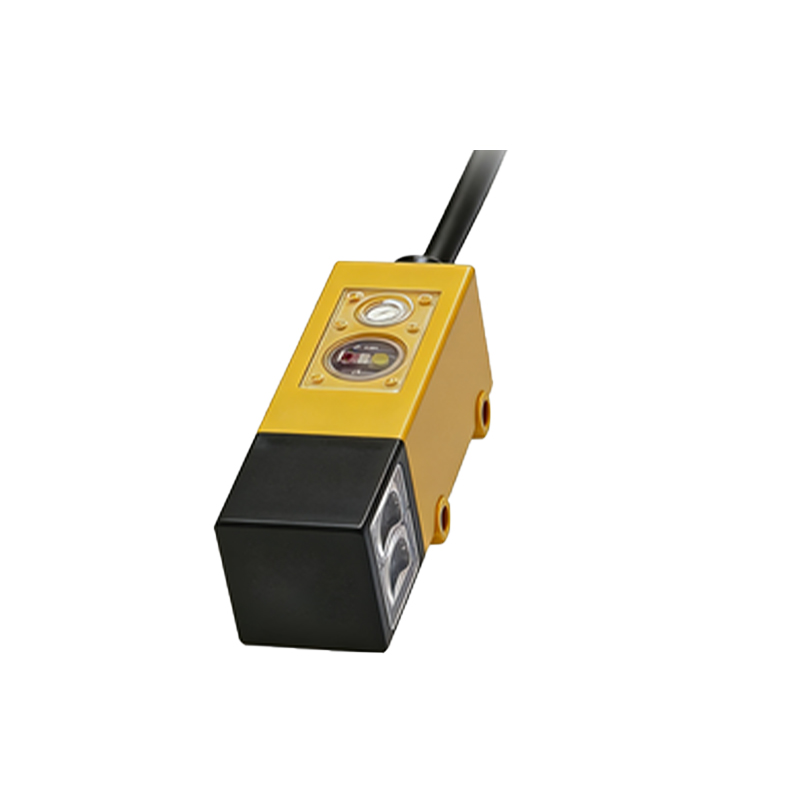
Power plants rely on three primary photoelectric sensor types: through-beam, retro-reflective, and diffuse reflective sensors. Through-beam sensors offer the longest detection range and highest accuracy, ideal for monitoring large-scale equipment like boiler feed pumps. Retro-reflective sensors are cost-effective for medium-range applications, such as detecting valve positions in cooling systems. Diffuse sensors, which detect objects by reflecting light off the target itself, are suitable for short-range tasks like counting coal pellets on a conveyor. Each type is selected based on environmental factors like ambient light interference and dust accumulation.
Key Applications in Coal and Gas-Fired Power Plants
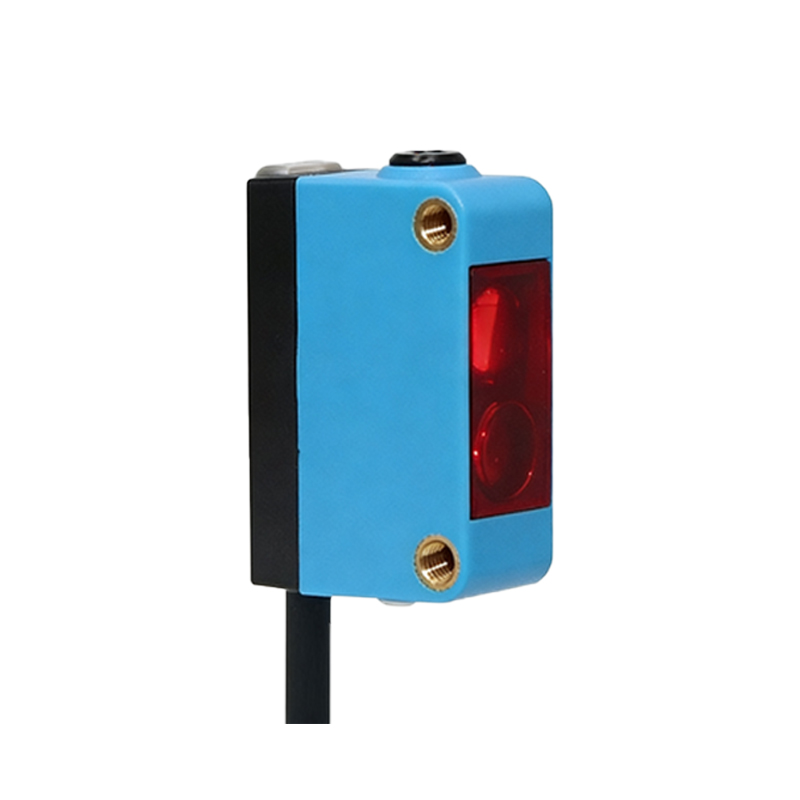
In coal-fired plants, photoelectric sensors monitor coal flow on conveyors, ensuring consistent fuel supply to crushers and boilers. They also detect blockages in hoppers and chutes, preventing costly jams. For gas-fired plants, sensors track the position of gas valves and turbine blades, optimizing combustion efficiency. Additionally, they are used in ash handling systems to verify proper removal of fly ash. These applications reduce manual inspection needs and enhance predictive maintenance, directly improving plant uptime.
Integration with Digital Control Systems
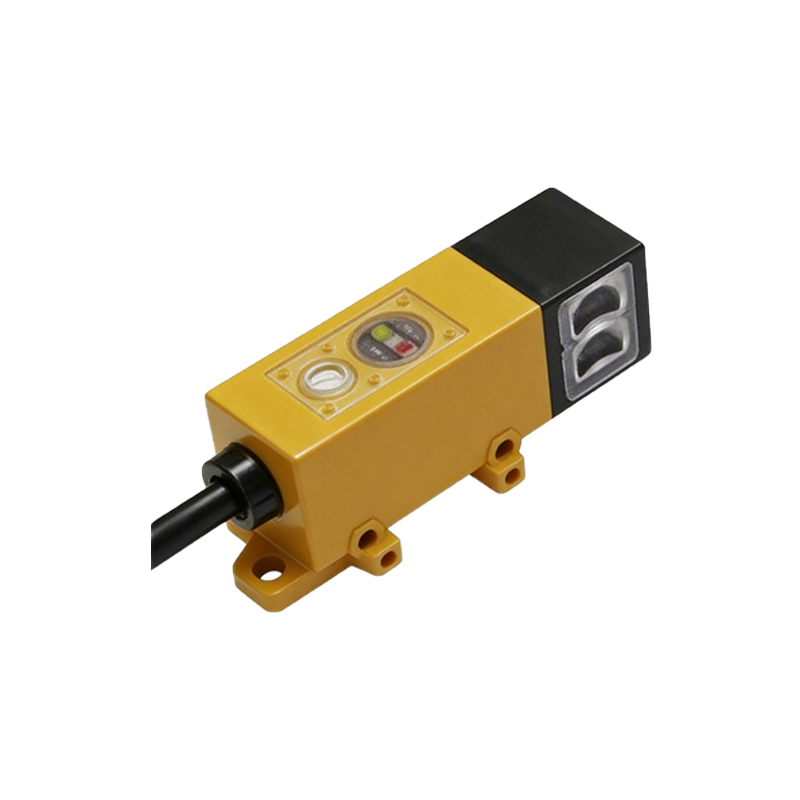
Modern photoelectric sensors are designed to integrate seamlessly with Distributed Control Systems (DCS) and Programmable Logic Controllers (PLC). They output digital signals (e.g., 4-20 mA or IO-Link) that provide real-time data for automated adjustments. For instance, sensor feedback on coal level variations triggers DCS to adjust feeder speeds, maintaining optimal boiler load. IO-Link-enabled sensors also transmit diagnostic data, such as signal strength or contamination levels, enabling proactive cleaning or replacement. This integration reduces human error and supports condition-based maintenance strategies.
Challenges and Solutions in Harsh Environments
Power plant environments pose unique challenges: extreme heat near boilers, heavy dust from coal handling, and moisture from cooling towers. Standard sensors may fail due to lens fogging or false triggering. Solutions include using stainless steel housings with IP69K ratings for washdown areas, and adding air purge systems to keep lens clean in dusty zones. For high-temperature areas, laser-based sensors with heat-resistant optics can operate up to 250°C. Selecting sensors with built-in ambient light suppression and vibration resistance further ensures longevity.
Future Trends: Smart Sensors and Predictive Analytics
The next generation of photoelectric sensors in power plants incorporates smart features like self-diagnostics and wireless connectivity. These sensors can log performance history and send alerts before failure occurs. Combined with machine learning algorithms, they enable predictive analytics—for example, detecting subtle changes in light reflection that indicate bearing wear on a conveyor motor. This shift from reactive to proactive maintenance reduces costs and improves plant availability. As renewable energy integration grows, these sensors will also play a role in hybrid plants, monitoring both fossil fuel and solar thermal systems.
Conclusion
Photoelectric sensors are foundational to safe and efficient power plant operations. By selecting the right sensor type, integrating with control systems, and addressing environmental challenges, engineers can significantly enhance process reliability. As technology advances, smart sensors will further revolutionize plant management, driving the industry toward greater automation and sustainability. For electrical engineers and plant managers, investing in high-quality photoelectric sensors is a strategic move to optimize performance and reduce operational risks.