2026-06-12
Tech Hub
By 创始人
Understanding the Photoelectric Sensor EX-14A: A Comprehensive Guide for Industrial Applications
Introduction to the EX-14A Photoelectric Sensor
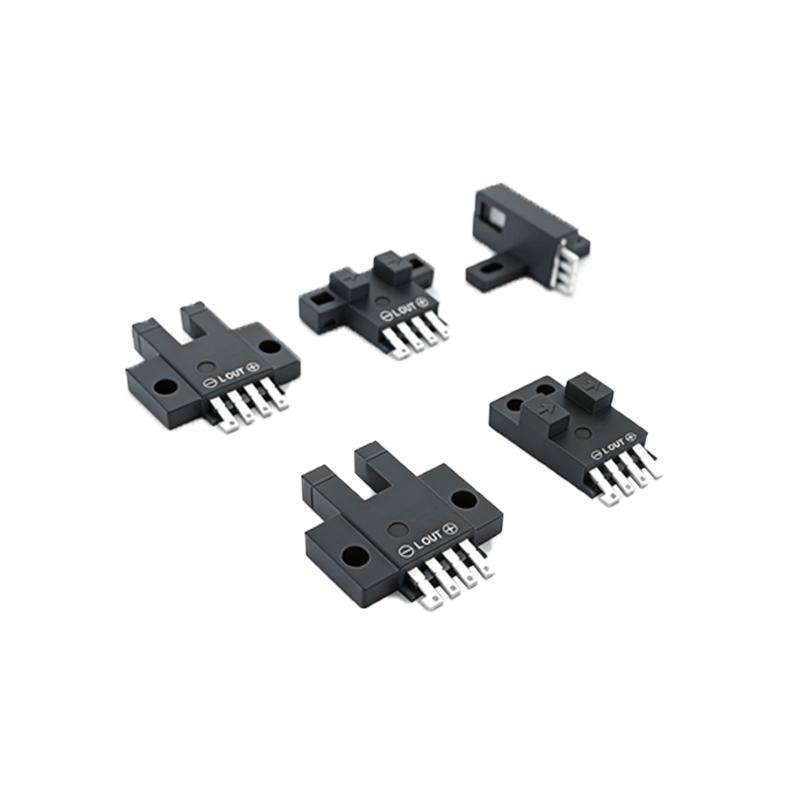
The EX-14A is a high-performance photoelectric sensor widely used in industrial automation for object detection, positioning, and counting. Designed by leading manufacturers like Sunx (now part of Panasonic), this sensor operates on the principle of light emission and reception, offering reliable detection even in challenging environments. Its compact size and robust construction make it ideal for integration into conveyor systems, packaging machinery, and assembly lines. The EX-14A typically utilizes a through-beam or retro-reflective detection mode, ensuring precise and consistent results.
Key Specifications and Features
The EX-14A boasts several critical specifications that enhance its functionality. It operates on a supply voltage of 12 to 24 VDC, with a detection distance ranging from 0.1 to 2 meters depending on the model and reflective target. The sensor features a red LED light source for easy alignment and a response time of less than 1 millisecond, enabling high-speed detection. Its IP67 rating ensures protection against dust and water ingress, making it suitable for harsh industrial settings. Additionally, the EX-14A includes a built-in sensitivity adjustment potentiometer, allowing fine-tuning for different materials and backgrounds.
Installation and Wiring Guidelines
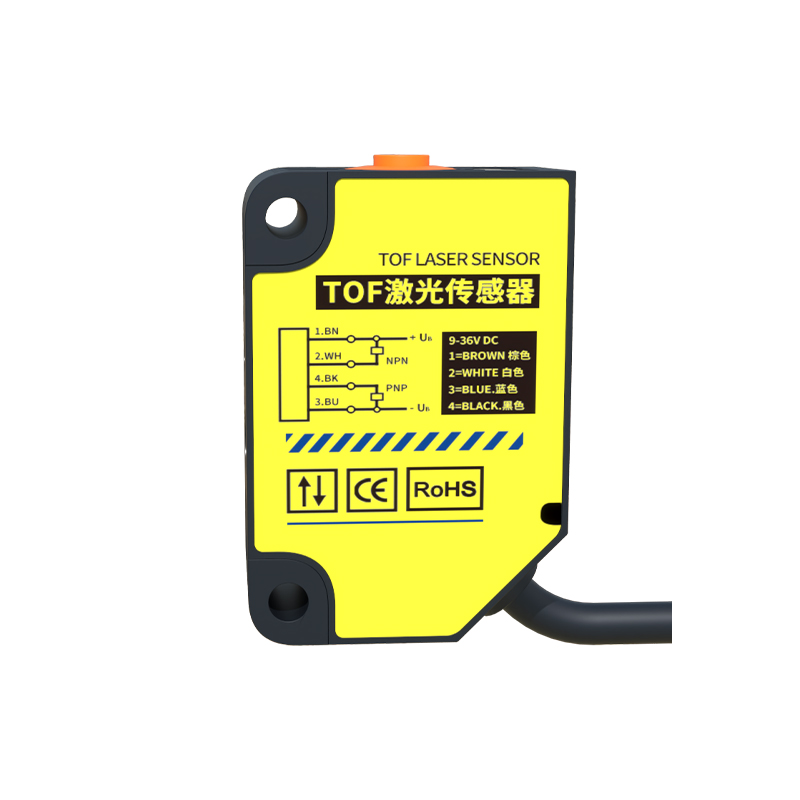
Proper installation is crucial for optimal performance. Begin by mounting the sensor using the provided bracket, ensuring the emitter and receiver are aligned in through-beam mode. For retro-reflective models, position the reflector at the specified distance. Connect the power supply wires: typically, brown for VCC, blue for GND, and black for the output signal. The output is NPN or PNP open-collector, depending on the variant. Avoid bending the cable excessively and use a shielded cable to minimize electromagnetic interference. Test the alignment by observing the indicator light—steady green for stable detection.
Common Applications in Industry
The EX-14A excels in various industrial tasks. In packaging, it detects product presence on conveyor belts to trigger labeling or sealing operations. In automotive manufacturing, it verifies component positioning during assembly. It is also used in material handling for counting items or detecting jams. Its ability to detect transparent objects, such as glass bottles, makes it valuable in food and beverage lines. The sensor's adjustable sensitivity helps differentiate between materials, reducing false triggers in mixed-product environments.
Maintenance and Troubleshooting Tips
Regular maintenance extends the sensor's lifespan. Clean the lens and reflector periodically with a soft cloth to remove dust or oil buildup. Check for loose connections or cable damage, especially in high-vibration areas. If detection issues arise, first verify the power supply voltage and output wiring. Use the sensitivity adjustment to calibrate for specific targets. If the sensor fails to trigger, test with a known reflective surface to rule out target issues. For persistent problems, consult the datasheet for error codes or consider replacing the unit.
Conclusion: Why Choose the EX-14A
The EX-14A photoelectric sensor offers a reliable, cost-effective solution for automation needs. Its compact design, fast response, and environmental durability make it a top choice for engineers. By understanding its specifications and proper usage, you can maximize efficiency in your system. For advanced applications, explore variants with different detection ranges or output types to match specific requirements.