Introduction to Diffuse Reflection Photoelectric Sensors
Diffuse reflection photoelectric sensors are essential components in industrial automation, providing reliable object detection without the need for a separate receiver or reflector. Unlike through-beam or retro-reflective sensors, these devices integrate both the emitter and receiver in a single housing, utilizing light reflected directly off the target object. For electrical engineers, understanding their operational principles is crucial for system design, troubleshooting, and optimization in applications ranging from conveyor systems to packaging lines.
Operational Principle: Emitter and Receiver Integration
The core principle of a diffuse photoelectric sensor involves a light emitter, typically an LED or laser diode, and a photodetector, such as a photodiode or phototransistor, aligned within the same unit. The emitter projects a beam of light, often in the infrared or visible red spectrum, toward the target area. When an object enters the sensing field, it reflects a portion of this light back to the receiver. The sensor then triggers an output signal based on the intensity of the received reflected light. This self-contained design simplifies wiring and mounting, reducing installation complexity compared to other sensor types.
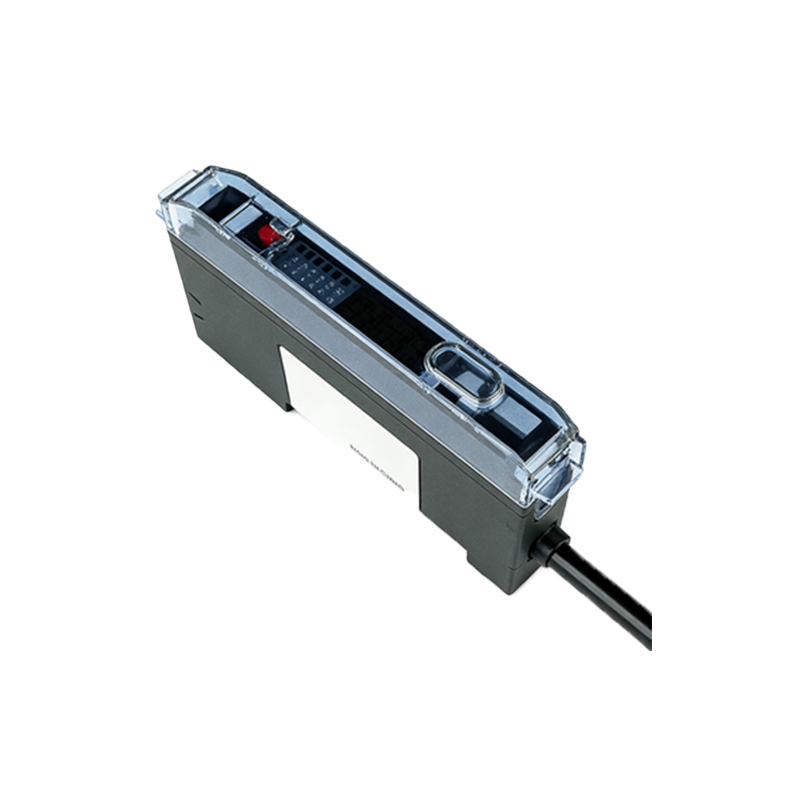
Key Components and Signal Processing
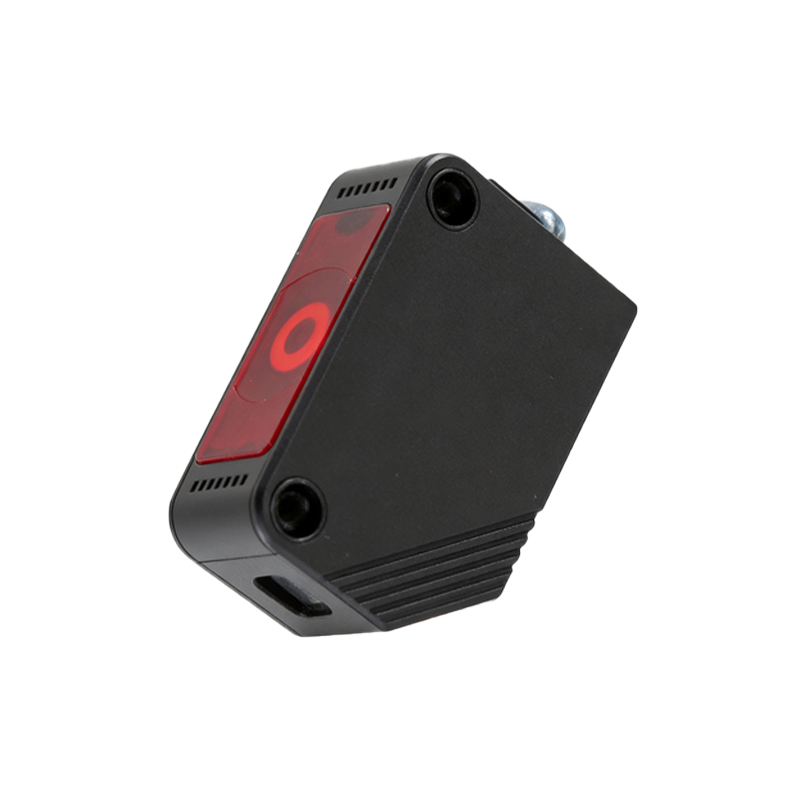
The sensor includes a lens system to focus the emitted beam and collect reflected light. The photodetector converts the optical signal into an electrical current, which is then amplified and processed by internal circuitry. A threshold comparator evaluates the signal level: if the reflected light intensity exceeds a preset threshold, the sensor’s output switches state. Advanced models may include background suppression features to ignore reflections from surfaces beyond the target, enhancing reliability in dynamic environments. Engineers must consider factors like target color, surface finish, and ambient light interference when selecting these sensors.
Detection Range and Sensitivity Factors
The effective detection range of a diffuse sensor is influenced by several variables. Object characteristics, such as reflectivity, color, and material, directly affect the amount of light returned. For instance, a white matte surface may reflect up to 90% of incident light, while a black glossy surface might reflect only 10%. The sensor’s optical design, including emitter power and lens geometry, also determines maximum range. Typical sensing distances range from a few centimeters to several meters, but engineers must calibrate sensitivity to avoid false triggers from background objects. This is often achieved through adjustable potentiometers or digital configuration interfaces.
Applications and Practical Considerations
Diffuse photoelectric sensors are widely used in material handling, food processing, and robotics for presence detection, counting, and position verification. Their single-housing design makes them ideal for confined spaces. However, engineers should account for potential challenges: dirt accumulation on the lens can reduce sensitivity, so periodic cleaning is recommended. Additionally, reflective surfaces near the sensor may cause false readings. For demanding applications, sensors with polarized light filters or time-of-flight technology offer improved performance. Proper alignment and mounting angle adjustments are critical for consistent detection.
Conclusion and Best Practices
Mastering the principle of diffuse reflection photoelectric sensors empowers engineers to deploy them effectively in automated systems. Key takeaways include understanding the reliance on target reflectivity, the importance of threshold settings, and the need for environmental considerations. By following best practices—such as selecting the correct sensing range, using background suppression where necessary, and integrating sensors with PLCs via standardized outputs—engineers can achieve robust and efficient detection solutions. Regular testing and calibration ensure long-term reliability in industrial environments.