Introduction to Photoelectric Sensor Sensitivity
Photoelectric sensors are widely used in industrial automation for object detection, counting, and positioning. However, one common challenge is their susceptibility to strong ambient light sources, such as sunlight, high-intensity LED lamps, or welding arcs. When exposed to excessive light, these sensors may experience false triggering, reduced detection range, or complete failure. As an electrical engineer, understanding these effects is crucial for maintaining system reliability and minimizing downtime in harsh environments.
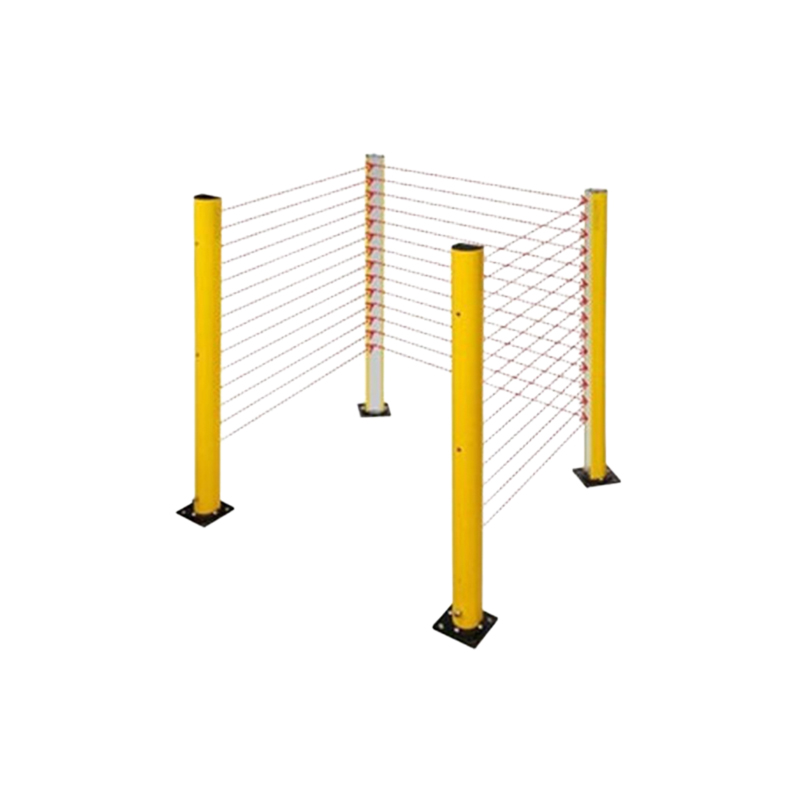
Impact of Strong Light on Sensor Performance
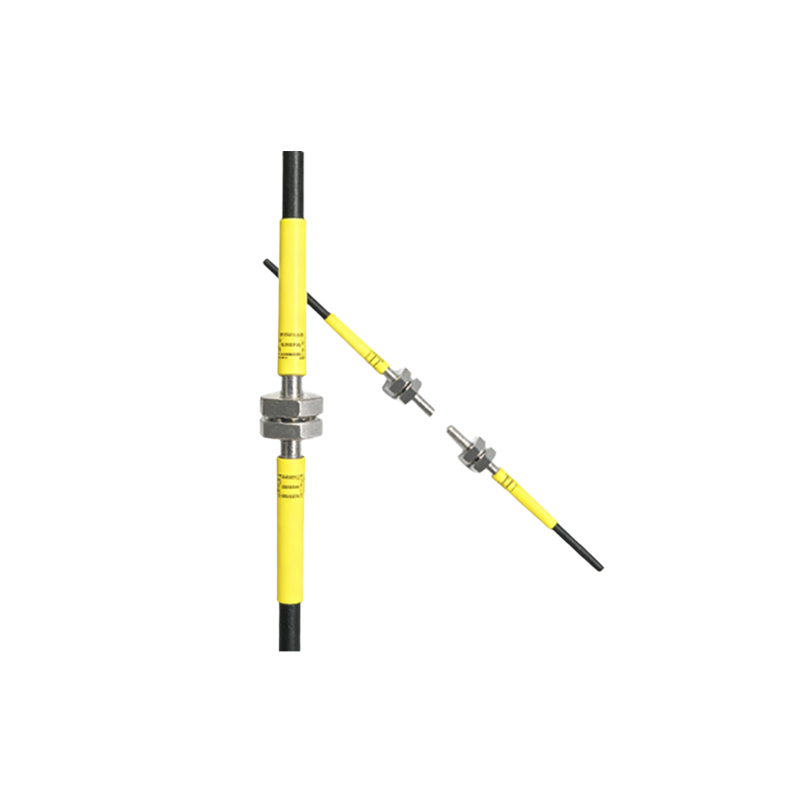
Strong light can cause photoelectric sensors to malfunction in several ways. For through-beam and retro-reflective sensors, intense ambient light may overwhelm the receiver, causing it to misinterpret the signal and output false positives. In diffuse sensors, background light interference can reduce contrast between the target and background, leading to missed detections. Additionally, infrared-based sensors are less affected than visible-light types, but still vulnerable to direct sunlight. Tests show that sunlight can reduce detection distance by up to 50% in some models, especially when the sensor faces the sun.
Common Industrial Scenarios with Light Interference
Typical situations where strong light disrupts sensor operation include outdoor conveyor systems exposed to sunlight, automated warehouses with skylights, and production lines near welding stations. For example, a photoelectric sensor used for pallet detection in a sunlit loading dock might trigger randomly when clouds pass, causing false alarms. Another scenario is in glass manufacturing, where reflections from hot surfaces can confuse sensors. These issues often lead to production stoppages, scrap parts, and increased maintenance costs.
Technical Solutions to Mitigate Light Interference
To overcome these challenges, engineers can implement several strategies. First, select sensors with high ambient light immunity, often rated in lux (e.g., 50,000 lux for outdoor use). Second, use modulated light sensors that pulse the emitter and synchronize with the receiver to filter out steady ambient light. Third, install physical barriers like hoods, shades, or polarizing filters to block direct light. Fourth, adjust the sensor’s sensitivity and response time via potentiometers or software to ignore brief light spikes. For critical applications, consider using laser-based sensors or ultrasonic alternatives.
Best Practices for Installation and Maintenance
Proper installation is key to minimizing strong light effects. Position sensors away from direct sunlight or reflective surfaces, and use angled mounts to reduce glare. Regularly clean sensor lenses to prevent dust buildup that can scatter light. In outdoor settings, use weatherproof enclosures with built-in glare protection. For maintenance, perform periodic alignment checks and test sensor outputs under varying light conditions. Document these settings for future troubleshooting, and train operators to recognize light-related anomalies.
Conclusion: Ensuring Sensor Reliability
Strong light interference is a manageable challenge in industrial automation. By understanding sensor types, applying technical solutions, and following best practices, engineers can significantly reduce false triggers and maintain stable operations. Always consult sensor datasheets for ambient light ratings, and test prototypes in real-world conditions. With careful design, photoelectric sensors can perform reliably even in bright environments, ensuring continuous productivity.