Introduction to Photoelectric Sensors in Home Automation
Photoelectric sensors are essential components in modern home automation, converting light signals into electrical signals to detect presence, motion, or light intensity. They enhance energy efficiency, security, and convenience in residential environments. Below is a detailed overview of common types used in homes.
1. Infrared (IR) Motion Sensors
Infrared sensors detect heat emitted by objects, such as humans or pets. Passive infrared (PIR) sensors are widely used for security lighting and automatic doors. They trigger alarms or lights when a warm body moves within their range, making them ideal for hallways, garages, and outdoor areas.
2. Photovoltaic Light Sensors
These sensors generate voltage when exposed to light, commonly used in solar-powered garden lights and automatic shades. They measure sunlight intensity and control window blinds or adjust indoor lighting to save energy. Homeowners integrate them with smart home systems for dynamic daylight harvesting.
3. Reflective Photoelectric Sensors
Reflective sensors emit a light beam and detect its reflection from an object. They are perfect for detecting obstacles in garage doors, automatic faucets, or trash can lids. Their compact design suits tight spaces like cabinets or entrance areas.
4. Through-beam Photoelectric Sensors
Through-beam sensors consist of a separate emitter and receiver. When the beam is broken, an alarm or switch activates. They are highly reliable for perimeter security, such as detecting window openings or fence line breaches. However, installation requires precise alignment.
5. Retro-reflective Photoelectric Sensors
These sensors use a reflector to bounce the light beam back. They are common in automatic gate systems and sliding doors. Their longer detection range suits driveways or large rooms. They resist dust and vibrations better than through-beam types.
6. Color and Contrast Sensors
Advanced photoelectric sensors distinguish colors or contrast levels. They are used in smart appliances like washing machines to detect fabric types, or in robotic vacuums to identify carpet edges. They help automate tasks requiring color recognition.
7. Ambient Light Sensors
These measure overall brightness in a room. They adjust smartphone screens, smart bulbs, and thermostat settings based on natural light. For example, they dim artificial lighting when sunlight is abundant, reducing electricity bills.
8. Fiber Optic Photoelectric Sensors
Fiber optic sensors use flexible cables to transmit light, ideal for hard-to-reach areas like inside walls or behind mirrors. They detect leaks, moisture, or small objects in smart water heaters and HVAC systems, offering robust performance in harsh environments.
9. Laser-based Photoelectric Sensors
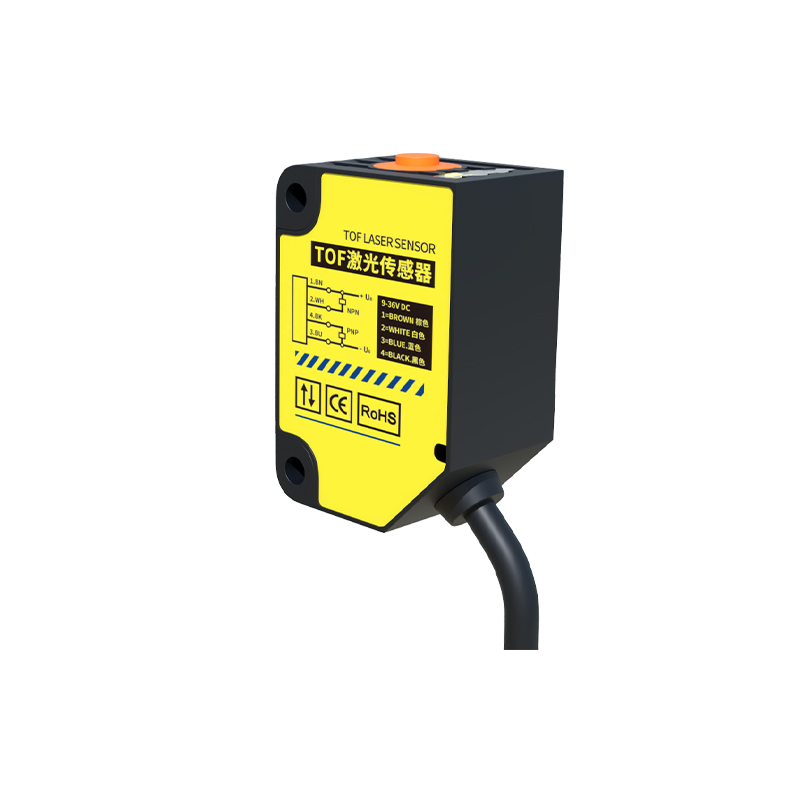
Laser sensors offer precise detection over long distances. They are used in high-end security systems to monitor perimeters or in smart garage doors for exact position sensing. Their narrow beam minimizes false triggers.
10. Smart Photoelectric Sensors with IoT Integration
Modern sensors connect to Wi-Fi or Zigbee networks, sending data to apps for remote monitoring. They enable voice-controlled lighting, automated curtain adjustments, and energy usage tracking. Examples include Philips Hue motion sensors or Eve light sensors.
Conclusion
Choosing the right photoelectric sensor depends on your home application, from basic motion detection to advanced IoT automation. Always consider detection range, environmental factors, and compatibility with existing smart systems for optimal performance.