Introduction to the Baumer O300 Series
The Baumer O300 photoelectric sensor represents a cutting-edge solution for demanding industrial automation applications. As a seasoned electrical engineer, I have worked extensively with various sensor technologies, and the O300 stands out due to its robust design, high precision, and versatile detection capabilities. This sensor is designed to operate reliably in harsh environments, making it ideal for manufacturing lines, packaging systems, and logistics operations. Its compact housing and advanced optics ensure seamless integration into existing machinery, while its ability to detect objects regardless of color, material, or surface finish enhances operational efficiency.
Key Technical Specifications and Performance
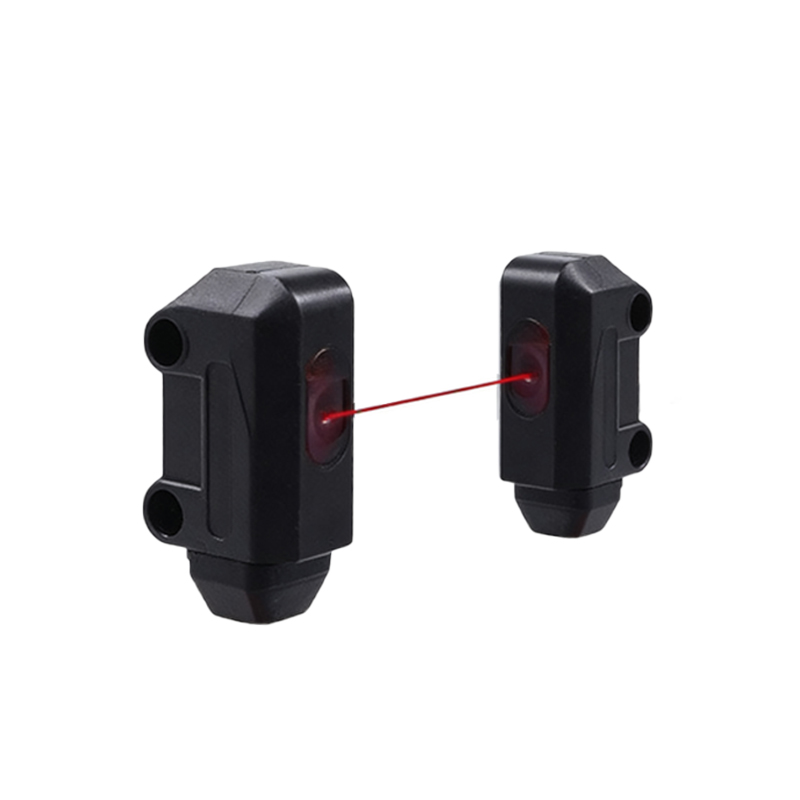
The O300 sensor offers a wide range of detection modes, including diffuse, retro-reflective, and through-beam configurations, with sensing distances up to 15 meters. It features an IO-Link interface for real-time data exchange, enabling smart diagnostics and parameter adjustments. The sensor operates on a 10-30 VDC power supply and provides IP67 protection, ensuring resistance to dust, moisture, and vibration. Its fast response time of less than 1 ms guarantees high-speed detection, critical for applications like counting, positioning, and quality control. The integrated background suppression technology further minimizes false triggers, even in challenging lighting conditions.
Integration and Installation Best Practices
For optimal performance, mount the O300 sensor at the recommended distance from the target object, using the provided alignment tools to minimize optical interference. Ensure that the sensor's emitting and receiving lenses are clean and free from debris, as any contamination can degrade detection accuracy. When using the IO-Link feature, connect the sensor to a compatible master device and configure parameters such as switching threshold and output logic via software. I advise testing the setup in a controlled environment before full deployment to verify response time and reliability under actual operating conditions.
Common Applications and Case Studies
In my professional experience, the Baumer O300 excels in applications requiring high precision, such as detecting small components in electronics assembly or monitoring conveyor belt gaps in food packaging. For instance, a client in the automotive sector implemented the O300 for detecting metallic parts on a fast-moving assembly line, achieving a 99.98% detection rate with zero false positives. Another use case involves retro-reflective mode for transparent bottle detection in beverage production, where the sensor's advanced optics differentiate between clear containers and their background.
Maintenance and Troubleshooting Tips
To prolong sensor lifespan, perform regular inspections of the lens and housing for scratches or damage, especially in abrasive environments. If the sensor fails to detect objects consistently, check for alignment shifts due to vibration, or verify that the power supply meets the required voltage range. The IO-Link diagnostic feature can quickly identify issues like signal loss or overheating, reducing downtime. I recommend documenting all configurations and firmware updates to facilitate rapid troubleshooting.
Conclusion and Future Outlook
The Baumer O300 photoelectric sensor is a testament to modern engineering, offering unmatched reliability and adaptability for industrial automation. Its combination of advanced features, such as IO-Link connectivity and robust construction, positions it as a cornerstone for Industry 4.0 initiatives. As a professional, I consider this sensor a top choice for projects demanding high accuracy and durability. Future developments may include even longer sensing ranges and enhanced AI-based detection algorithms, further solidifying its role in smart factories.