Introduction to PhotoEye Sensor Delay
PhotoEye sensors, also known as photoelectric sensors, are critical components in industrial automation systems, used for object detection, positioning, and counting. However, all photoelectric sensors exhibit some degree of delay, which can impact system performance. This article will explore the types of delays, their causes, and practical solutions for minimizing them in real-world applications.
Types of PhotoEye Sensor Delays
There are two primary types of delay in photoelectric sensors: response time and propagation delay. Response time is the interval between when a target is detected and when the sensor output signal changes. This includes the optical reaction time of the emitter and receiver, plus internal signal processing. Propagation delay is the time for the electrical signal to travel through cables or wireless interfaces to the controller. For most industrial sensors, response times range from 0.1 ms to 10 ms, while propagation delays are negligible in short cable runs but can become significant in long-distance or networked systems.
Causes of PhotoEye Sensor Delay
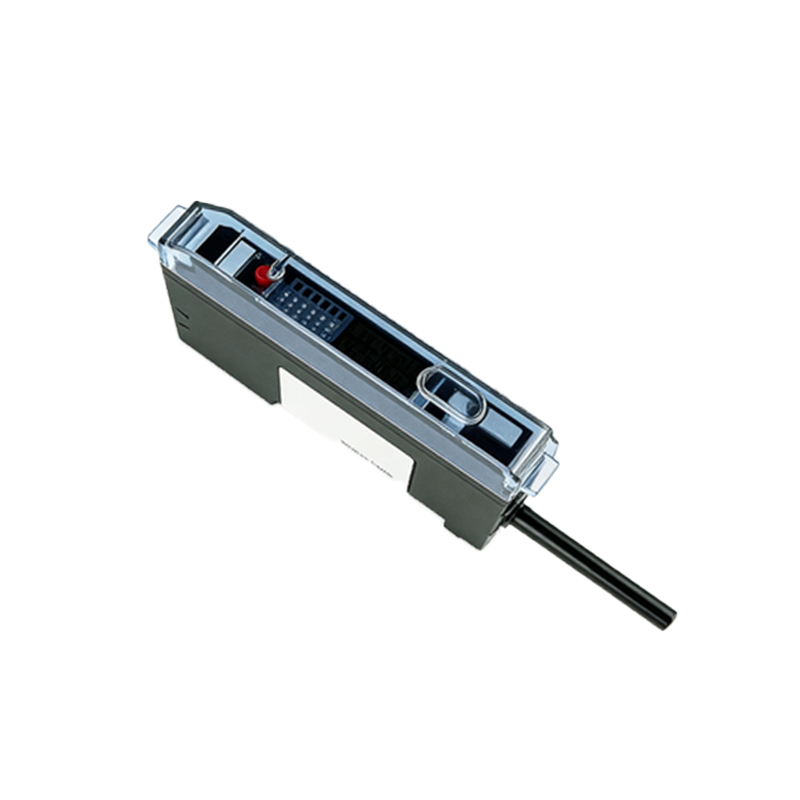
Several factors contribute to photoEye sensor delays. First, the sensor type matters: through-beam sensors generally have faster response times than diffuse or retroreflective types because they rely on direct line-of-sight rather than scattered light. Second, ambient light interference, such as sunlight or nearby lighting, can cause the sensor to require longer processing times to discriminate between valid signals and noise. Third, cable length and quality affect propagation delay, especially for analog sensors. Finally, the controller's scan cycle or input filter settings can introduce additional delays if not configured correctly.
Measuring and Characterizing Delay
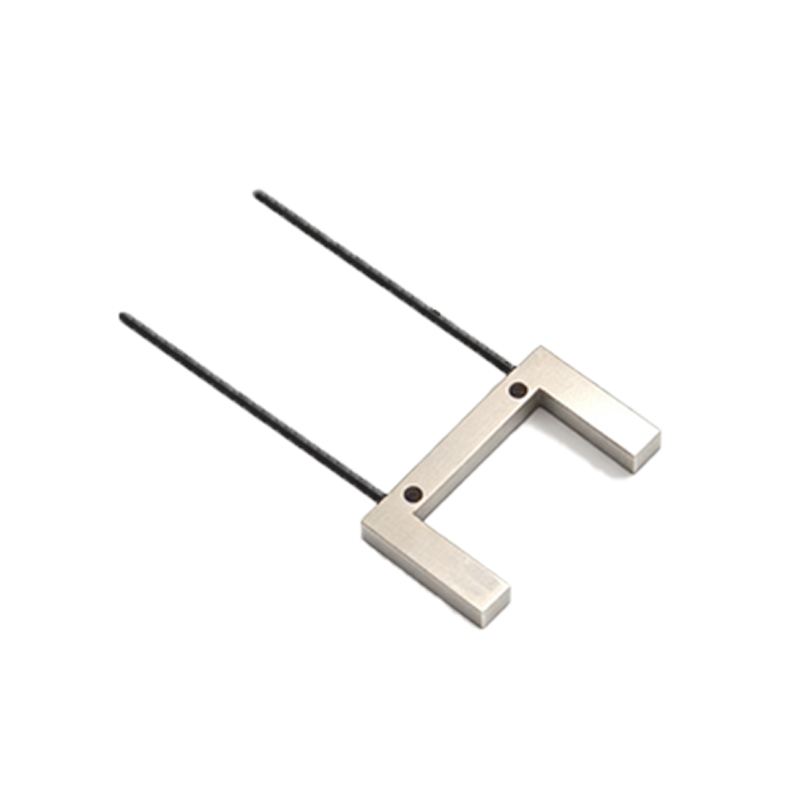
To optimize system performance, it is essential to measure sensor delay accurately. Use an oscilloscope to capture the sensor output signal relative to a known event, such as a moving target passing a reference point. Set the sensor to its fastest response time setting and ensure the target speed matches the intended application. Calculate the total delay as the difference between the optical event and the output transition. Typical results show that for a 2 mm precision application at 1 m/s target speed, a 1 ms delay leads to 1 mm of position error, which can be critical in high-speed assembly lines.
Practical Solutions for Reducing Delay
To minimize photoEye sensor delays, consider the following engineering practices: 1) Select sensors with the fastest specified response time for your application, such as high-speed through-beam models. 2) Reduce cable length to under 10 meters or use shielded cables to minimize inductance and capacitance effects. 3) Implement proper ambient light shielding, such as using filters or hoods, to prevent false triggering. 4) Adjust the controller's input filter settings to the lowest possible value while still rejecting noise. 5) Use parallel or redundant sensor setups for critical applications to average out delay variations.
Case Study: Delay in a Conveyor System
A common industrial scenario involves a conveyor system where a photoEye sensor triggers a diverter to sort packages. In a test, a standard diffuse sensor showed a 5 ms delay, causing packages to miss the diverter by 25 mm at a conveyor speed of 5 m/s. By switching to a high-speed through-beam sensor with a 0.5 ms response time and optimizing the controller scan rate, the delay was reduced to 0.8 ms, achieving a positioning accuracy of 4 mm. This improvement significantly reduced maintenance and rework costs.
Conclusion
PhotoEye sensor delays are an inherent part of industrial automation but can be effectively managed through careful selection, installation, and configuration. Understanding the root causes and applying targeted solutions will enhance system reliability and accuracy. Engineers should always measure delay in their specific environment and consider trade-offs between speed, cost, and complexity for optimal performance.