Introduction to Photoelectric Sensors in Mobile Keypads
Photoelectric sensors have become a cornerstone in modern mobile phone design, particularly for keypad and button interfaces. These sensors use light to detect the presence or absence of objects, such as a finger pressing a button. In the context of mobile phones, they offer superior reliability compared to mechanical switches, as they eliminate physical contact wear. This technology is widely adopted in ruggedized devices, industrial smartphones, and consumer handsets requiring precise input detection. As an electrical engineer, understanding the operational principles—like through-beam, retro-reflective, and diffuse sensing—is critical for optimizing product performance.
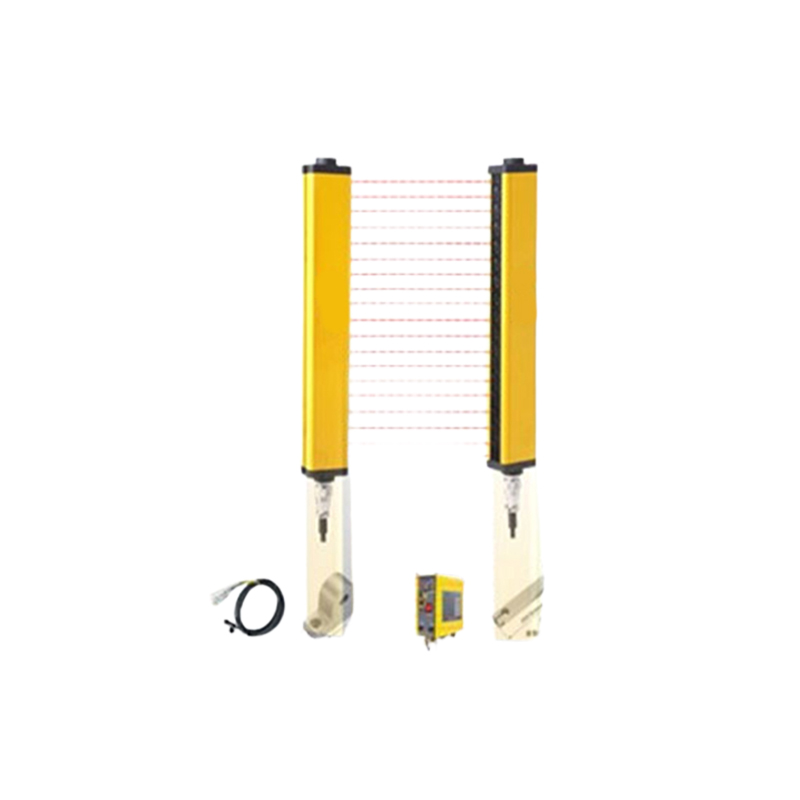
How Photoelectric Sensors Work in Keypad Circuits
The core mechanism involves an emitter (usually an infrared LED) and a photodetector. When a user presses a key, the finger or a moving part interrupts or reflects the light beam, triggering a signal. For example, in a capacitive hybrid design, the sensor detects changes in light intensity caused by the keypad membrane’s movement. The output is then processed by a microcontroller to register the key press. Engineers must consider factors like ambient light interference, response time (typically under 1 ms), and power consumption to ensure stable operation in diverse environments. Proper PCB layout with shielding traces is essential to minimize noise from other RF components.
Key Specifications for Mobile Phone Applications
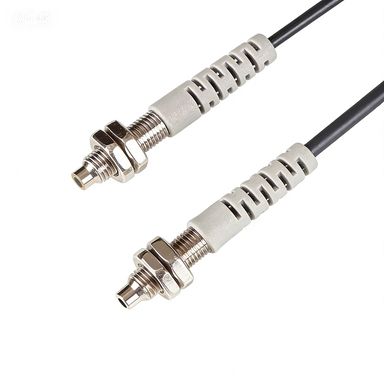
Selecting the right photoelectric sensor for a mobile keypad requires attention to several parameters. First, the operating wavelength—commonly 850 nm or 940 nm—must align with the phone’s IR filter and display stack. Second, the sensing distance, usually between 0.5 mm to 5 mm, should match the key travel distance. Third, the output type: analog for continuous detection or digital (like PNP/NPN) for binary on/off states. Additionally, temperature stability from -40°C to 85°C is vital for outdoor use. Engineers often prefer surface-mount (SMD) packages to save space, such as the popular TSSP series from Vishay or OSRAM.
Design Challenges and Solutions
One common issue is false triggering due to external light sources, like sunlight or camera flashes. Shielding the sensor with opaque housing or integrating an optical bandpass filter can mitigate this. Another challenge is miniaturization: modern phones require sensors as small as 2.0 mm x 1.5 mm. Using advanced ASIC-based sensors with integrated lens arrays can achieve this while maintaining sensitivity. Moreover, moisture ingress from sweaty fingers can degrade performance; conformal coating or potting with silicone resin provides environmental protection. For high-reliability designs, redundant sensor arrays with voting algorithms are recommended for mission-critical keypads.
Integration with Modern Mobile Architectures
Photoelectric sensors in keypads must interface seamlessly with other components like touch ICs, haptic drivers, and power management units. Typically, the sensor’s output is routed to a GPIO pin on the application processor or a dedicated keypad controller. Low-power modes, such as periodic wake-up sensing, are necessary to conserve battery life. In recent designs, I2C or SPI buses enable configurable threshold settings and diagnostic feedback. For example, the sensor can report signal strength to the software, allowing adaptive debouncing algorithms. This integration enhances user experience by reducing accidental presses and improving response consistency.
Future Trends and Industry Insights
The evolution toward bezel-less phones and foldable devices drives innovation in photoelectric sensing. New developments include flexible optical sensors that can be embedded under displays or in curved keypads. Additionally, combined sensors with IR proximity and ambient light detection reduce component count. For industrial-grade phones, harsh environment certifications like IP68 demand sensors with reinforced epoxy encapsulation. As an engineer, staying updated with IEEE standards and manufacturer app notes (e.g., from Sharp or Honeywell) is crucial. The market is shifting toward multi-spectral sensing, enabling gesture recognition alongside traditional keypress detection.
Conclusion and Best Practices for Engineers
Implementing photoelectric sensors in mobile phone keypads requires a holistic approach: from component selection to system-level testing. Always prototype with real-world conditions—including angled presses and gloved fingers—to validate performance. Use oscilloscope measurements to capture transient responses and check for jitter. Document thermal and optical design margins for regulatory compliance (e.g., FCC or CE). Finally, collaborate closely with mechanical designers to ensure the sensor aligns perfectly with the keycap’s reflective surface. By following these guidelines, you can achieve a robust, responsive, and durable keypad solution that meets the demands of modern mobile devices.