Understanding the Value of Genuine Photoelectric Sensors in Industrial Automation
In the competitive landscape of industrial automation, photoelectric sensors play a critical role in detecting objects, ensuring precision, and optimizing production lines. As a seasoned electrical engineer, I emphasize the importance of sourcing components from authorized distributors to guarantee performance, reliability, and safety. Counterfeit or substandard sensors can lead to costly downtime, inaccurate readings, and potential hazards. However, the initial investment in genuine sensors from top brands like SICK, Omron, Keyence, or Balluff can strain budgets, especially for small to mid-size facilities. That’s where official coupons become a game-changer, offering a strategic way to reduce costs without compromising quality. By leveraging manufacturer-issued discounts, engineers can maintain high operational standards while achieving significant savings. These coupons are often overlooked, but they represent a direct path to upgrading systems with authentic, factory-tested components that meet stringent industry standards.
How to Access and Apply Verified Photoelectric Sensor Coupons
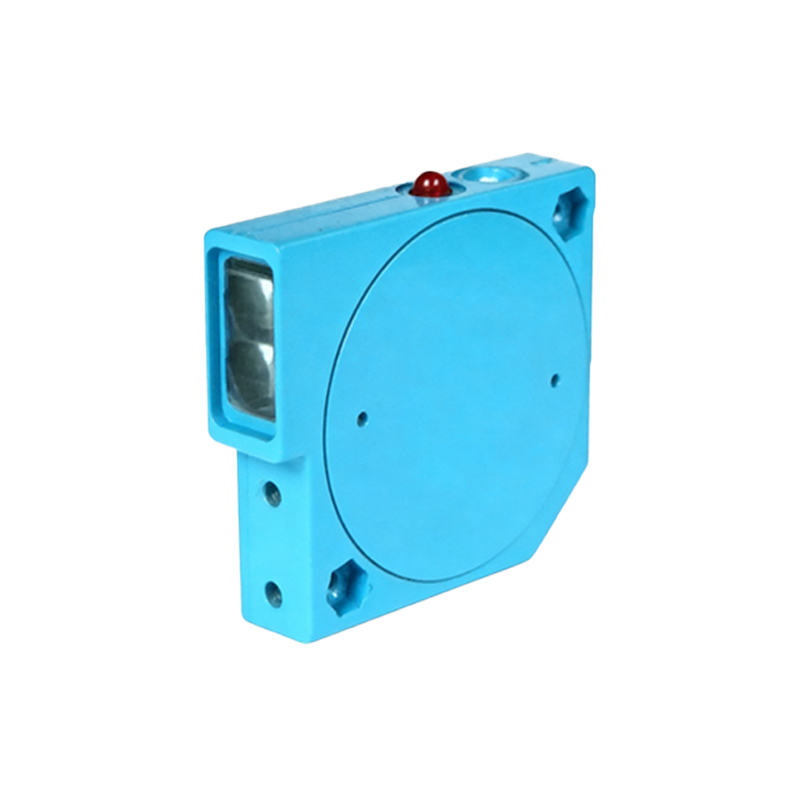
Obtaining legitimate coupons for photoelectric sensors requires a methodical approach. Start by subscribing to newsletters from authorized distributors and manufacturers, as they frequently release exclusive promotional codes for bulk purchases or seasonal offers. For example, companies like AutomationDirect or RS Components periodically provide discount vouchers for sensor families such as retro-reflective, through-beam, or diffuse types. Additionally, joining industry forums or professional networks like IEEE or ISA can unlock member-only deals. When applying a coupon, always verify its terms—check for minimum purchase amounts, expiration dates, and eligible product lines. As an engineer, I recommend cross-referencing the coupon with the sensor’s datasheet to ensure compatibility with your application, whether it’s for conveyor systems, packaging machinery, or robotic arms. This diligence prevents order errors and maximizes the coupon’s value.
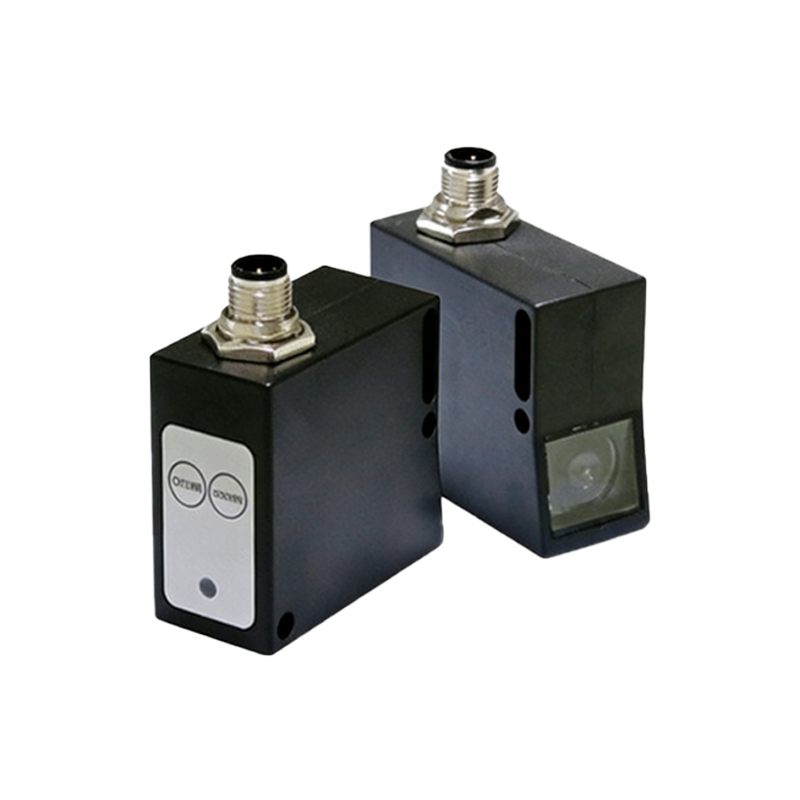
Key Benefits of Using Coupons for High-Quality Sensors
The primary advantage of using official coupons is cost-effectiveness without sacrificing performance. Genuine photoelectric sensors feature advanced optics, robust housing (e.g., IP67 or IP69K ratings), and precise response times—attributes that cheap alternatives lack. With a 10% to 20% discount, a facility can redirect funds to other critical upgrades, such as PLCs or actuator systems. Another benefit is inventory flexibility; coupons often allow you to stock spare sensors for critical machines, reducing emergency repair lead times. For instance, a factory using Omron’s E3Z series can use a coupon to purchase multiple units, ensuring backup for high-speed lines. Moreover, these deals often include warranties and technical support from the manufacturer, which counterfeit products cannot provide. In my 15 years of experience, I’ve seen facilities save up to 30% on annual sensor expenses through strategic coupon use, directly improving profit margins.
Practical Tips for Selecting the Right Sensor Coupon Offer
To make the most of a coupon, align it with your specific sensor requirements. For harsh environments, prioritize coupons for sensors with stainless steel housings or M12 connectors. If your application involves long-range detection, look for deals on through-beam sensors with high ambient light immunity, such as the SICK W26 series. Avoid the temptation to purchase incompatible models just because they are discounted—a mismatch can lead to false triggers or missed detections. I suggest maintaining a catalog of your facility’s sensor specifications and matching them against coupon catalogs from suppliers like Digi-Key or Mouser. Additionally, consider bulk coupon codes that apply to mixing and matching different sensor types, which is ideal for retrofitting multiple lines. Always test a sample before committing to a large order, and keep records of coupon terms to prevent disputes.
Common Pitfalls to Avoid When Using Photoelectric Sensor Coupons
A frequent mistake is assuming all coupons offer the same value. Some may exclude high-demand sensor variants or require a minimum order exceeding your budget. Another pitfall is ignoring the sensor’s compliance with regional standards, such as CE, UL, or CSA—discounts on non-compliant units are not savings if they fail inspection. I’ve also observed engineers misreading coupon codes, leading to invalidated discounts at checkout. To avoid this, copy and paste the code directly from the email or website. Lastly, avoid stacking non-compatible coupons from different manufacturers; stick to one provider per transaction to simplify verification. By staying vigilant, you can ensure that every coupon contributes to a reliable, efficient automation system.
Future Trends: Digital Coupons and Smart Sensor Integration
The industry is moving towards digital coupon systems integrated with IoT platforms. For example, some manufacturers now offer dynamic discounts based on real-time sensor performance data, rewarding users for energy-efficient operations or predictive maintenance adoption. As sensors become smarter with IO-Link communication, coupons may bundle software licenses or configuration tools. For engineers, this means opportunities to reduce costs while embracing Industry 4.0. Staying updated through trade shows like SPS IPC Drives or online webinars can reveal early access to such offers. In my view, the combination of genuine photoelectric sensors and strategic coupon use will remain a cornerstone of cost-effective automation, allowing professionals to innovate without exceeding budgets.