中不要返回正文标题,内容要求1500个token左右)
Photoelectric sensors are critical components in modern automation systems, relying on signal cables to transmit precise detection data. These cables carry electrical signals from the sensor to the controller, ensuring accurate object detection, distance measurement, and presence verification. The quality of the signal cable directly impacts system reliability, especially in harsh industrial environments with electrical noise, moisture, and physical stress.
Key Factors in Cable Selection
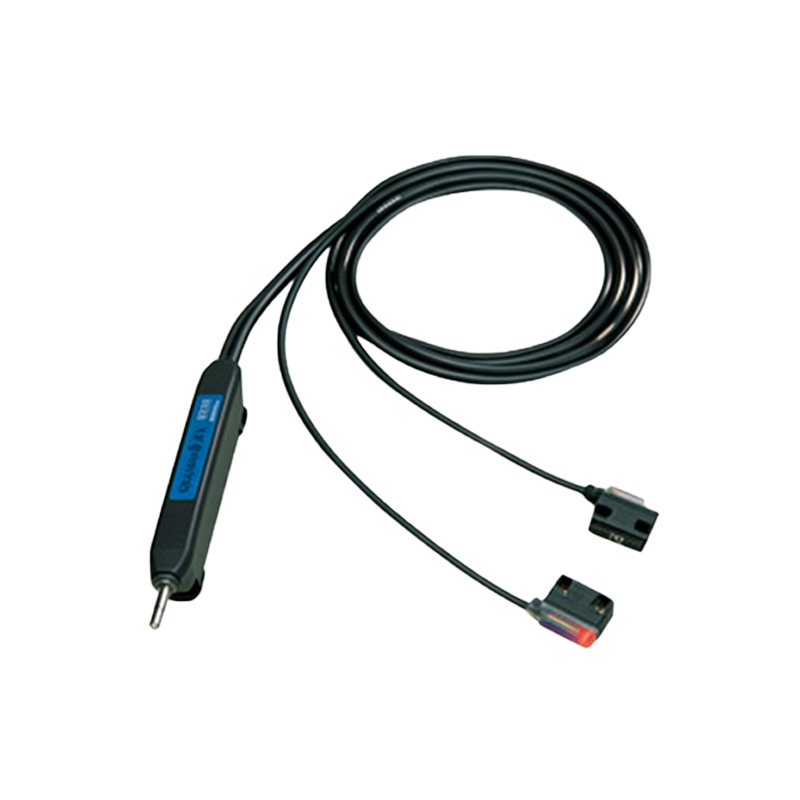
When selecting signal cables for photoelectric sensors, consider the following parameters: shielding effectiveness, conductor material, insulation type, and cable length. Shielded twisted-pair cables are recommended to minimize electromagnetic interference (EMI). Copper conductors with tinned or silver-plated surfaces offer low resistance and corrosion resistance. PVC or PUR insulation provides mechanical durability and chemical resistance. Avoid excessive cable lengths beyond 100 meters to prevent signal degradation.
Proper Installation and Grounding Practices
To maintain signal integrity, install cables away from high-voltage power lines and motor drives. Use proper grounding techniques: connect the cable shield to the ground terminal at the controller end only, not at the sensor. This prevents ground loops. Secure cables with clamps or conduits to avoid vibration-induced wear. For outdoor or washdown environments, select cables with IP67 or IP69K ratings for moisture protection.
Troubleshooting Common Signal Issues
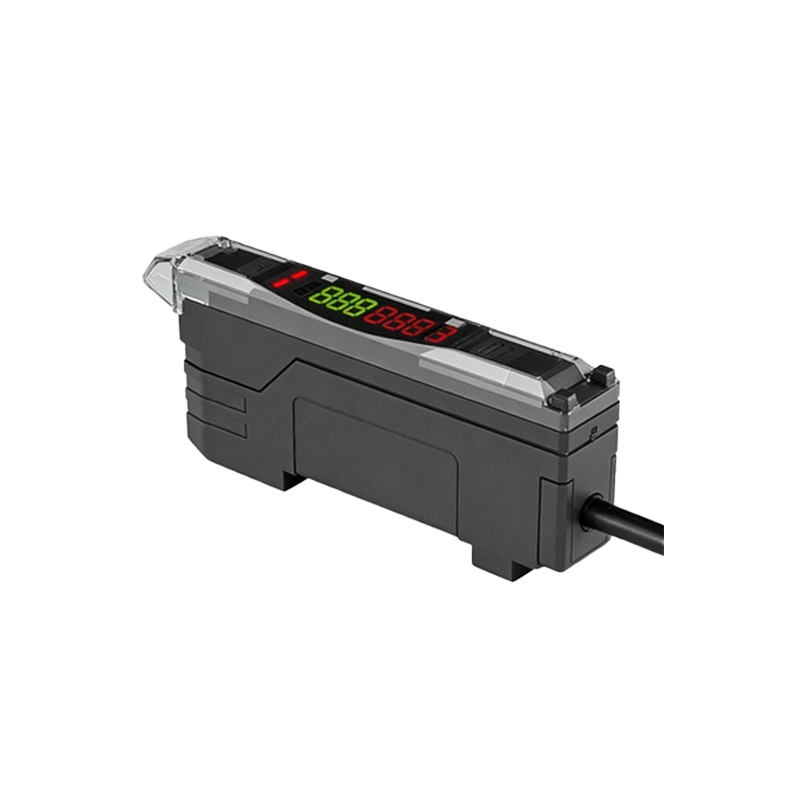
If the sensor exhibits erratic behavior or false readings, inspect the signal cable first. Check for damaged insulation, loose connectors, or corroded terminals. Use a multimeter to verify continuity and insulation resistance. If noise is suspected, replace the cable with a higher shielding variant or add ferrite beads near the controller. Always test cable performance before full-scale deployment.
Future Trends in Signal Cable Technology
Advances in cable technology include integrated data transmission for IO-Link sensors, which require specific cable types supporting both power and communication. Hybrid cables combining power and signal lines in a single jacket are becoming popular for space-saving installations. Fiber optic extensions offer immunity to EMI but require careful handling. Stay updated with manufacturer specifications for optimal compatibility.