Introduction to the L408.2116.25 Optoelectronic Sensor
The L408.2116.25 is a high-performance optoelectronic sensor designed for precise object detection in industrial automation. Manufactured by leading sensor specialists, this device employs a modulated infrared light beam to detect various materials, including opaque objects, transparent films, and reflective surfaces. Its robust M18 threaded housing ensures easy integration into existing machinery, while its IP67 rating guarantees reliable operation in harsh environments like dusty factories or damp assembly lines.
Key Technical Specifications
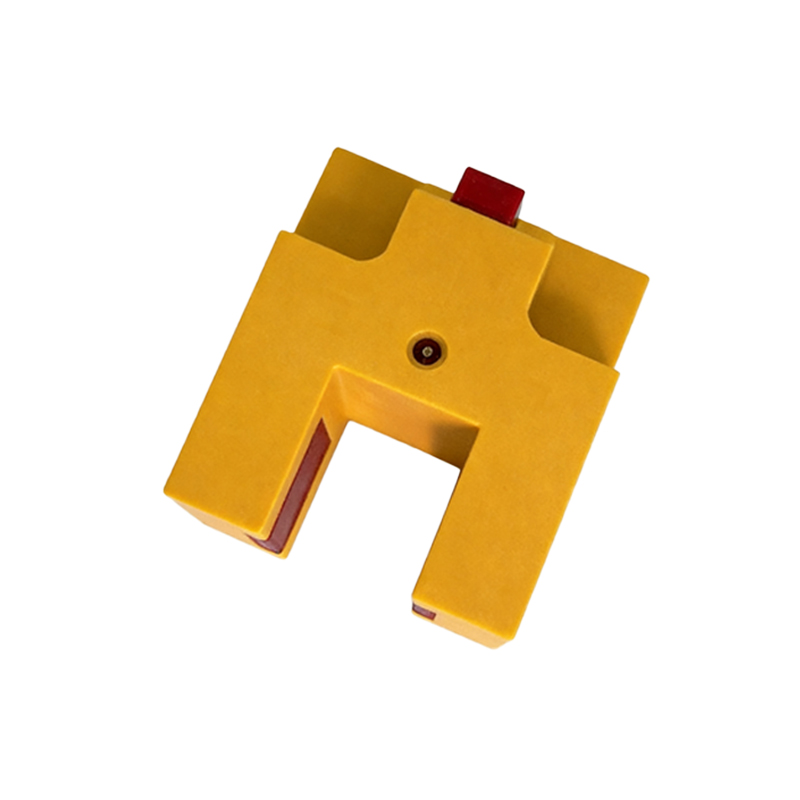
This sensor operates with a supply voltage range of 10 to 30 VDC, making it compatible with standard industrial power systems. It features a sensing distance up to 10 meters for through-beam configurations, with a response time of less than 1 millisecond. The output is a PNP normally open (NO) configuration, which simplifies wiring to PLCs or relays. Additionally, the L408.2116.25 includes an adjustable sensitivity potentiometer, allowing fine-tuning for specific application needs.
Installation and Wiring Guidelines
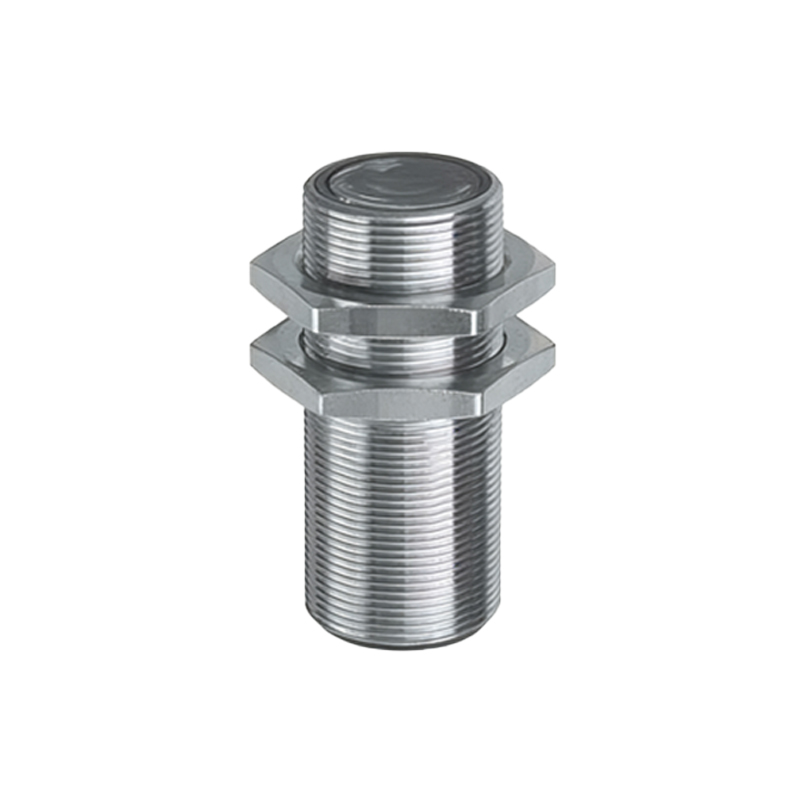
Proper installation is critical for optimal performance. Mount the sensor using the provided bracket to ensure alignment with the target or reflector. Connect the three-core cable: brown wire to +VDC, blue to GND, and black to the load. For through-beam setups, align the emitter and receiver directly facing each other. For retro-reflective modes, use a reflector and maintain a clean optical path. Avoid mounting near strong electromagnetic sources, such as motors or frequency inverters, to prevent interference.
Common Application Scenarios
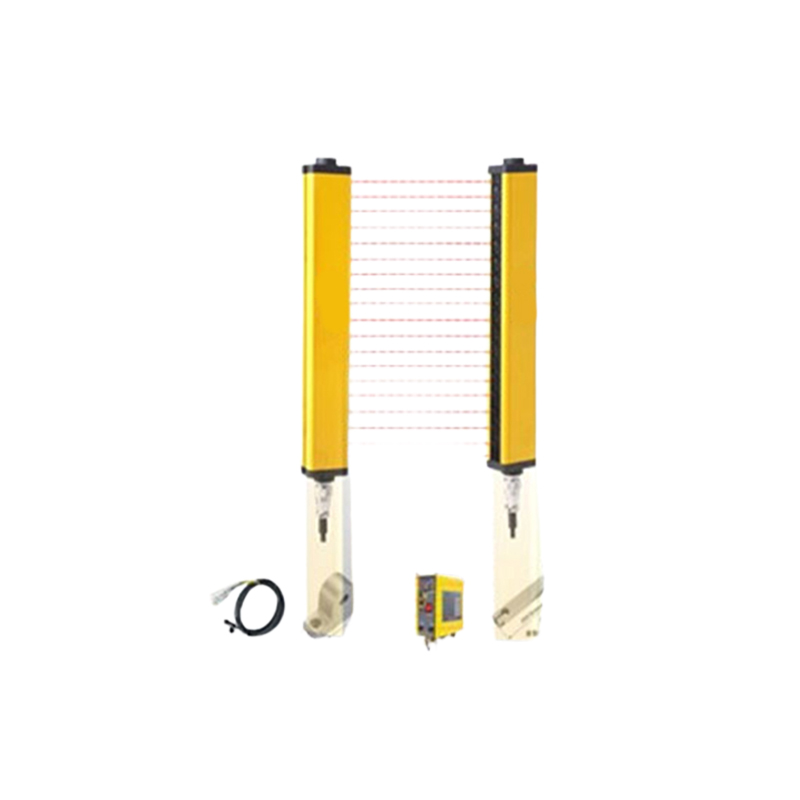
The L408.2116.25 excels in packaging lines for detecting bottle presence on conveyors, in material handling for counting boxes, and in automated warehousing for pallet positioning. Its ability to distinguish between transparent and opaque objects makes it ideal for glass or plastic bottle detection. The sensor also performs well in high-speed applications, such as labeling machines, due to its rapid response time.
Troubleshooting and Maintenance Tips
If the sensor fails to detect objects, first check for debris on the lens or reflector. Clean with a soft, lint-free cloth. Verify the power supply and wiring connections. If output remains unstable, reduce the sensitivity using the potentiometer. In case of excessive ambient light, shield the sensor with a hood. Regular maintenance every 6 months ensures long-term reliability.
Safety and Compliance Considerations
Always disconnect power before servicing the sensor. The L408.2116.25 complies with CE and RoHS standards, ensuring it meets European safety and environmental regulations. For applications involving safety-critical systems, integrate an external safety relay. Refer to the manufacturer's datasheet for detailed safety distances and redundancies.