Understanding the Risk of Hand Injuries in Automated Systems
In modern manufacturing, automated machinery such as presses, conveyors, and robotic arms pose significant pinch-point hazards. Operators often need to access these machines for maintenance or troubleshooting, and accidental hand entrapment can lead to severe injuries. Traditional mechanical guards or presence-sensing devices may have blind spots or require physical contact to trigger a stop. This is where photoelectric sensors offer a non-contact, reliable solution for safeguarding personnel.
How Photoelectric Sensors Work for Pinch-Point Detection
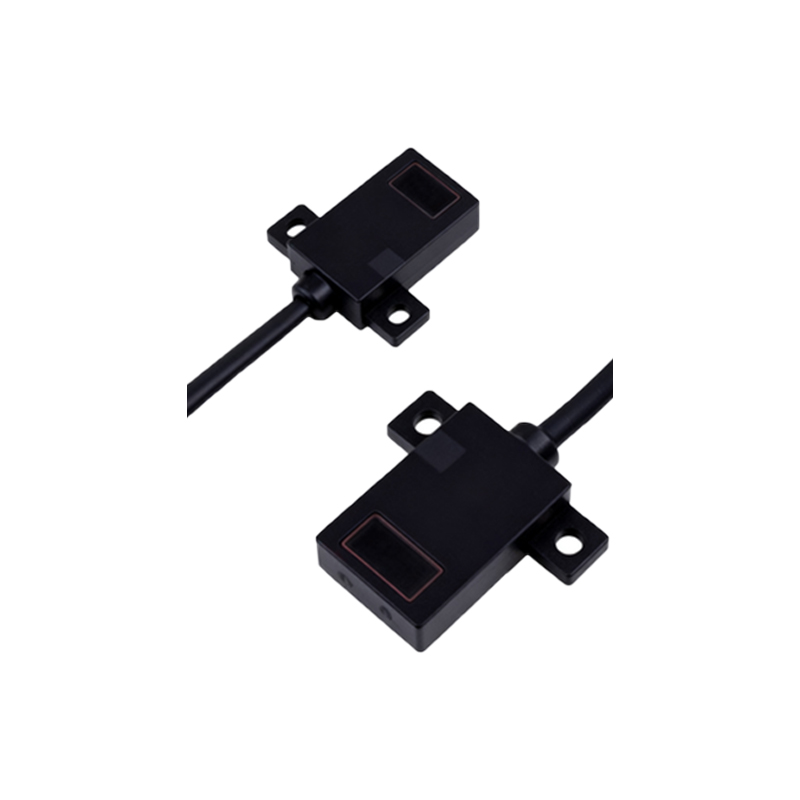
Photoelectric sensors use a beam of light—typically infrared, visible red, or laser—to detect the presence of an object. In anti-pinch applications, a through-beam or retro-reflective configuration is common. The emitter sends a light beam to a receiver; when an operator’s hand or any opaque object interrupts this beam, the sensor instantly sends a signal to the machine control system to stop or reverse the hazardous motion. For reflective models, the sensor detects changes in light reflection caused by a hand entering the detection zone.
Key Advantages Over Mechanical Safety Devices
Unlike mechanical limit switches or safety mats that require physical pressure to activate, photoelectric sensors provide non-contact detection. This eliminates wear and tear from repeated impacts, reduces maintenance downtime, and ensures faster response times—often in milliseconds. Additionally, photoelectric sensors can cover larger areas and irregularly shaped zones, making them ideal for complex machinery where traditional guards are impractical.
Critical Installation Considerations for Maximum Safety
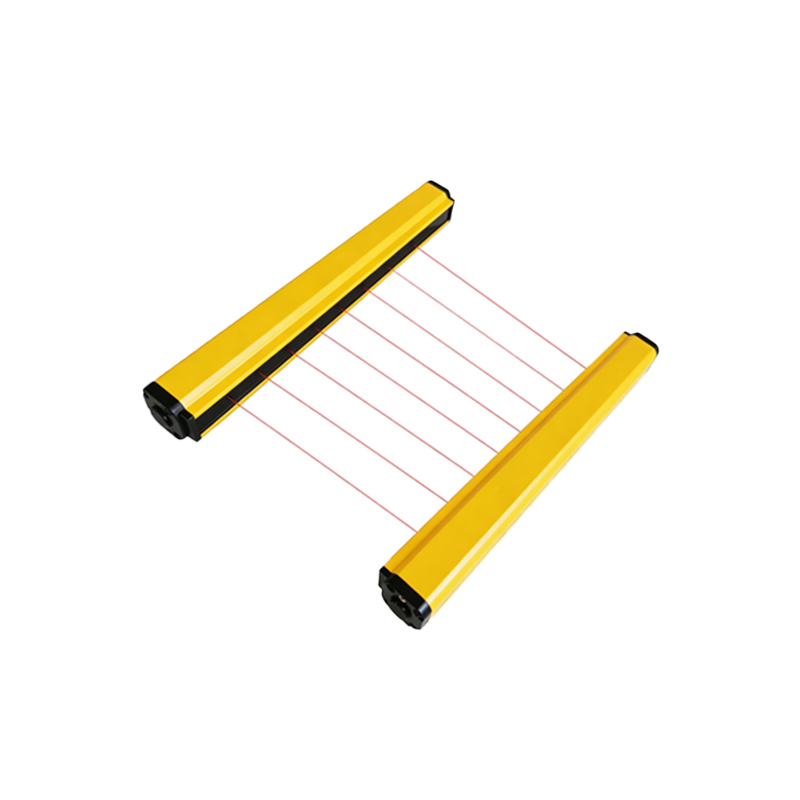
To ensure effective anti-pinch protection, engineers must carefully select the sensor type, range, and mounting position. Through-beam sensors offer the longest range and highest reliability in dusty or dirty environments, while retro-reflective sensors are easier to align. The sensing field must be designed to cover all potential pinch points, and redundant sensors should be used in high-risk areas to meet safety standards like ISO 13849 or IEC 61496. Proper cable management and enclosure protection (e.g., IP67) are also vital in harsh industrial settings.
Common Applications in the Electrical Industry
Photoelectric sensors are widely deployed in punch presses, hydraulic presses, robotic welding cells, and conveyor transfer stations. For example, in a press brake, two or more sensors can create a vertical light curtain that stops the ram immediately if a hand enters the danger zone. In conveyor systems, sensors mounted at loading and unloading points prevent hand injuries during material handling. These sensors also serve as failsafe devices in automated assembly lines where operator intervention is frequent.
Best Practices for Maintenance and Testing
To maintain consistent anti-pinch performance, sensors must be cleaned regularly to remove oil, dust, or coolant that could scatter the light beam. Engineers should conduct daily functional tests using a test piece simulating a hand (e.g., a cylinder with 14 mm diameter per safety standards). Calibration checks every quarter ensure the sensor’s detection zone remains accurate. Any sensor that shows intermittent faults or reduced sensitivity should be replaced immediately to avoid compromising safety.
Conclusion: Elevating Safety Standards with Photoelectric Technology
Integrating photoelectric sensors into industrial safety systems is a cost-effective and reliable method to prevent hand injuries. By understanding their operational principles, installation requirements, and maintenance needs, electrical engineers can significantly reduce workplace risks. As automation evolves, these sensors will continue to be a cornerstone of machine safeguarding, ensuring both productivity and personnel protection.