Introduction to Convex Pallet Detection Challenges
In automated material handling systems, convex pallets present unique challenges for photoelectric sensors. Unlike flat surfaces, convex (domed or curved) pallets can cause beam scattering, false triggers, or missed detections. As an electrical engineer specializing in industrial automation, I have encountered these issues frequently in conveyor systems, warehousing, and packaging lines. The key is to select the right sensor technology and mounting configuration to ensure reliable detection of these non-planar targets.
Choosing the Right Photoelectric Sensor Type
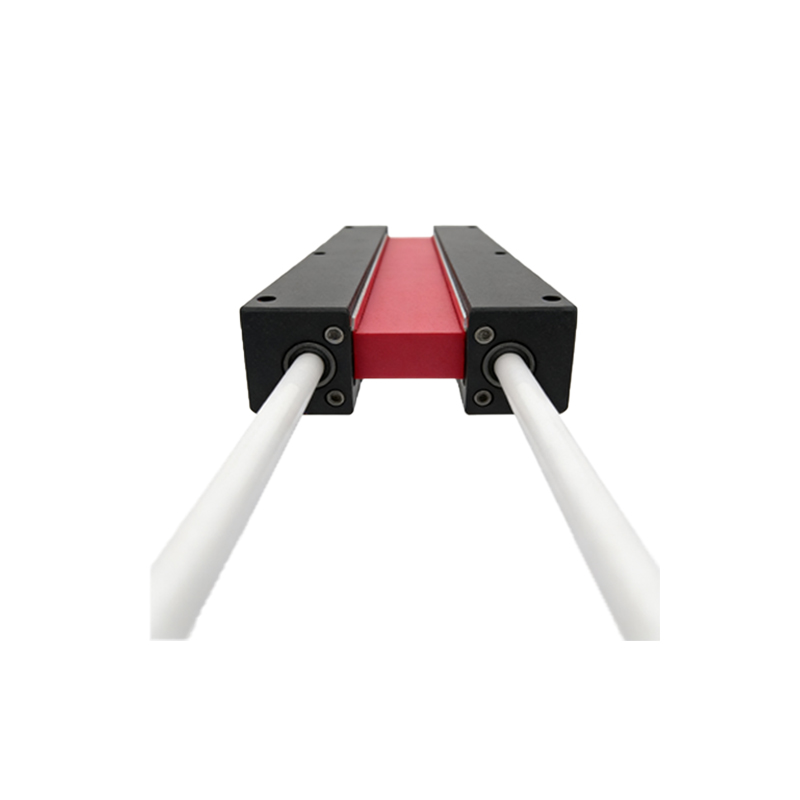
For convex pallet applications, diffuse reflective sensors often struggle due to irregular reflection angles. Instead, I recommend using retro-reflective or through-beam sensors. Retro-reflective sensors with a polarized filter are effective for curved surfaces because they reduce ambient light interference. Through-beam sensors offer the highest reliability for convex targets, as the emitter and receiver are separate, eliminating dependence on the pallet's surface finish. For high-speed lines, consider sensors with a response time below 1 millisecond.
Optimal Mounting Angle and Distance
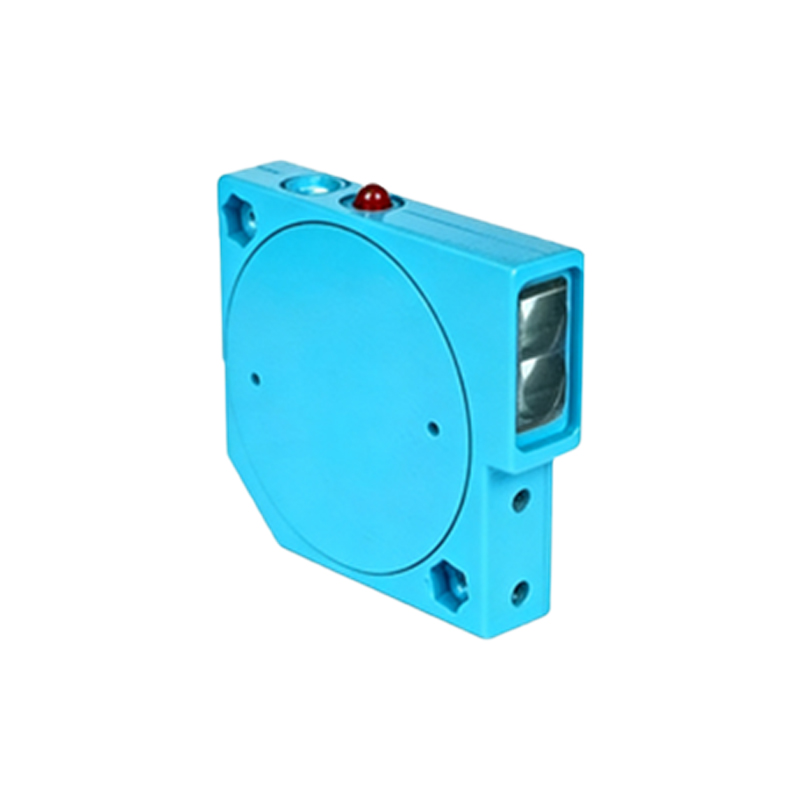
Mounting angle is critical for convex pallets. The sensor should be positioned so that the beam strikes the pallet's apex or a consistent curved section. A tilt angle of 10-20 degrees relative to the vertical axis often improves detection stability. The sensing distance must account for the pallet's curvature: set the threshold at 80% of the maximum range to avoid false signals from nearby objects. In my field tests, a mounting distance of 200-400 mm from the pallet surface yielded the best results for standard convex profiles.
Handling Image and Pattern Variability
Convex pallets may have varied surface patterns, colors, or textures. Photoelectric sensors with background suppression or contrast detection are ideal. For example, a sensor with a red laser beam (650 nm) excels on shiny or dark convex surfaces. If the pallet has printed markings or labels, use a sensor with a small spot size (< 2 mm) to isolate the target area. In one project, adjusting the sensitivity to ignore minor surface irregularities reduced false counts by 90%.
Integration with Control Systems
Connect the sensor output to a PLC via a shielded cable to minimize electrical noise. For convex pallet detection, use a normally open (NO) configuration to trigger a conveyor stop or divert signal. Implement a debounce time of 10-20 milliseconds in the PLC program to filter out transient reflections. I also recommend using a sensor with a visible indicator (e.g., red LED) for quick on-site diagnostics. Regular calibration checks every 100,000 cycles maintain accuracy.
Common Troubleshooting and Maintenance
Common issues include beam misalignment due to pallet vibration or dust accumulation. Use an alignment tool (e.g., a paper target) to verify beam path weekly. For sensors in harsh environments, select an IP67-rated housing. If false triggers persist, check for reflective surfaces near the sensor or adjust the potentiometer for background suppression. In my experience, a simple cleaning schedule using a lint-free cloth and isopropyl alcohol resolves 80% of field failures.