Introduction to Web Guiding Systems
In continuous roll-to-roll processing industries, such as printing, laminating, and converting, maintaining precise web alignment is critical for product quality and operational efficiency. A web guide system relies on high-performance sensors to detect lateral deviations. Among these, photoelectric sensors are widely used for their non-contact detection, fast response, and reliability in harsh environments. This article discusses how photoelectric sensors correct web misalignment and their technical advantages in industrial applications.
Principle of Photoelectric Edge Detection
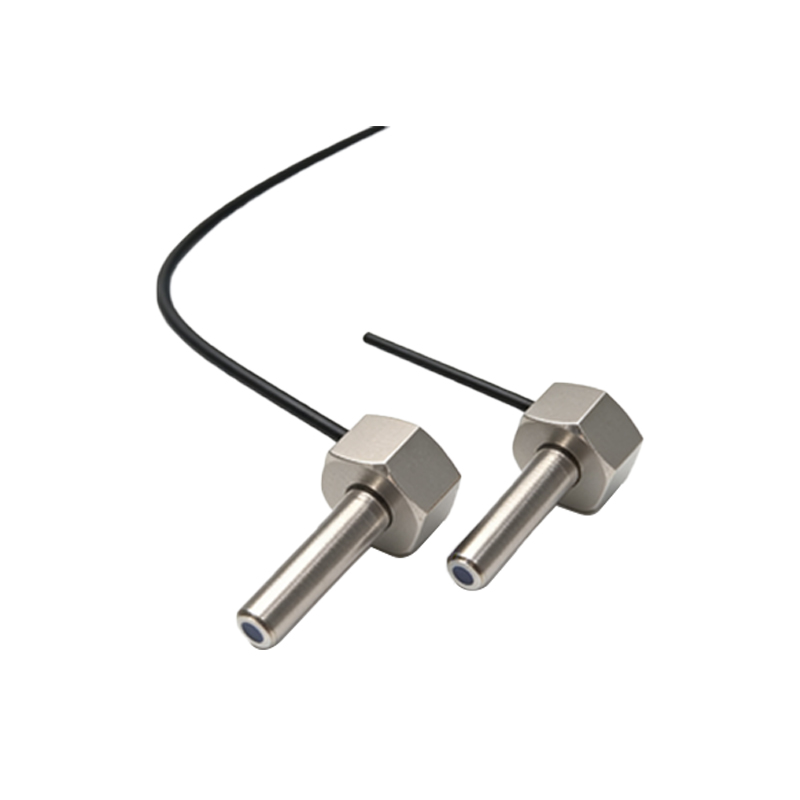
Photoelectric sensors operate by emitting a focused light beam and measuring the reflected or interrupted light. In web guiding, they are typically configured to detect the edge of a moving material. The sensor outputs an analog signal proportional to the edge position. When the web drifts, the signal changes, triggering the actuator to realign the material. Common sensor types include diffuse, retro-reflective, and through-beam designs, each suited for different material opacity and surface conditions.
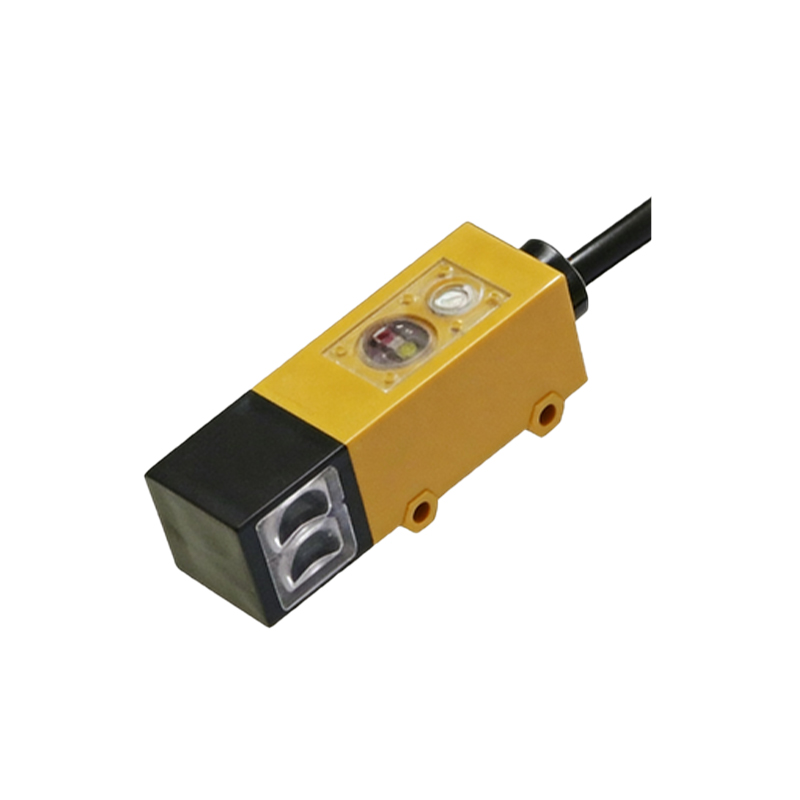
Key Technical Parameters for Selection
To ensure accurate correction, engineers must consider several parameters: response speed, resolution, ambient light immunity, and temperature range. For high-speed lines, sensors with a response time below 0.5 ms are essential. Resolution of 0.1 mm or better allows fine adjustments. Additionally, sensors with built-in background suppression minimize false triggers from dust or vibrations. Many modern units feature an LED indicator for easy setup and fault diagnostics.
Integration with Guiding Actuators
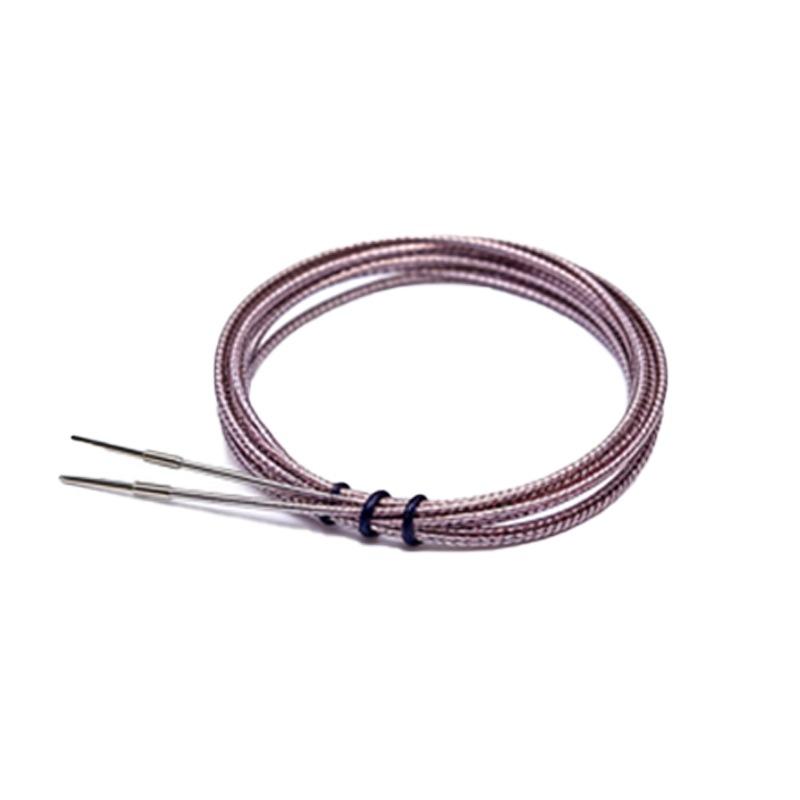
The sensor signal is processed by a dedicated controller or PLC, which then commands an actuator—typically a linear motor or pneumatic cylinder—to shift the unwind, rewind, or intermediate roller. Closed-loop control ensures continuous compensation. For example, in a slitting line, a pair of photoelectric sensors on opposite edges can provide differential feedback to maintain the centerline. Proper calibration and mounting distance are vital to avoid signal noise.
Advantages Over Other Sensing Technologies
Compared to ultrasonic or laser sensors, photoelectric types offer lower cost, simpler installation, and better performance on opaque or printed materials. They are also less affected by web flutter and can handle widths from a few millimeters to several meters. However, for transparent or glossy films, polarized retro-reflective sensors or specialized models with blue light may be required to reduce false signals.
Maintenance and Troubleshooting Tips
Regular cleaning of sensor lenses is necessary to prevent dust accumulation. Check for loose mounting brackets and ensure the sensor’s sensing range matches the web width. If the system drifts slowly, recalibrate the analog output midpoint. In the event of erratic behavior, verify the cable connections and shielding to eliminate electromagnetic interference. Many modern sensors include a teach button for quick re-tuning.