2026-06-12
Tech Hub
By 创始人
Micro Photoelectric Sensors: Precision Detection for Compact Industrial Applications
Introduction to Micro Photoelectric Sensors
Micro photoelectric sensors are essential components in modern industrial automation. These compact devices, often smaller than a fingertip, utilize light beams to detect objects without physical contact. Their miniature size allows integration into tight spaces where traditional sensors cannot fit. Engineers rely on them for high-speed, reliable detection in applications such as PCB assembly, packaging, and robotics. The key advantage lies in their ability to maintain accuracy while minimizing footprint.
Principles of Operation
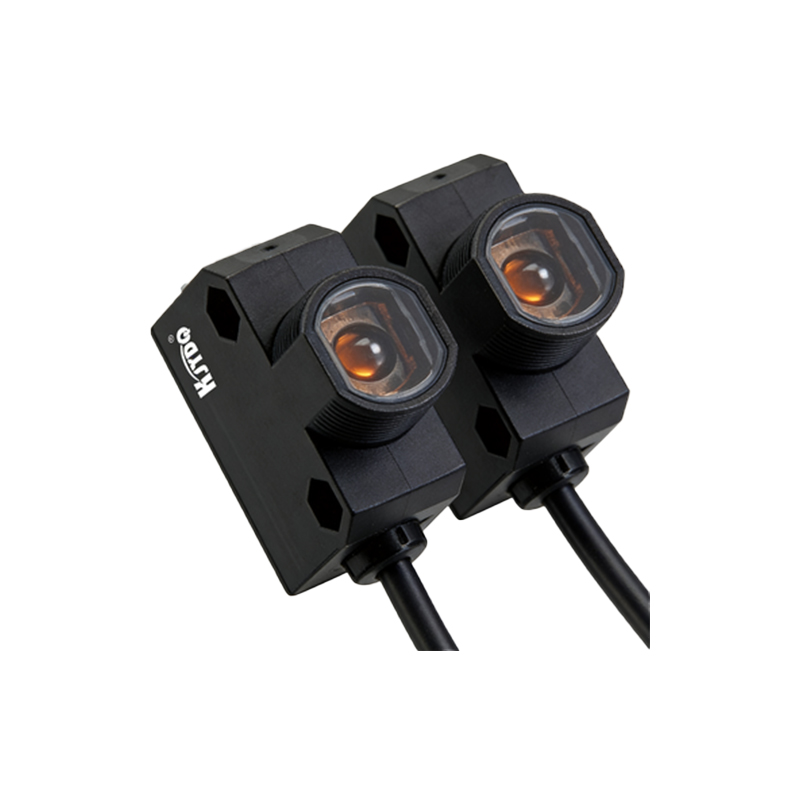
Micro photoelectric sensors operate based on three primary modes: through-beam, retro-reflective, and diffuse reflection. In through-beam mode, a separate emitter and receiver detect interruptions in the light path, offering the longest range and highest precision. Retro-reflective sensors use a reflector to bounce light back, simplifying alignment. Diffuse sensors detect light reflected directly from the target object, ideal for close-range applications. All modes rely on modulated infrared or visible light to resist ambient interference.
Key Performance Metrics
Critical specifications include sensing distance, response time, and environmental tolerance. Typical micro sensors offer sensing ranges from 10 mm to 2 meters, depending on the mode. Response times often fall below 1 millisecond, enabling fast-moving production lines. Engineers must also consider IP ratings for dust and moisture resistance, especially in food processing or automotive environments. LED indicators simplify troubleshooting and alignment.
Installation and Integration
Installation requires careful alignment of the optical axis. For through-beam sensors, mount the emitter and receiver face-to-face with clearance for the target. Retro-reflective sensors need perpendicular mounting relative to the reflector. Use adjustable brackets to fine-tune positioning. Wiring typically involves three or four conductors for power, output, and ground. Most sensors offer NPN or PNP outputs for compatibility with PLCs or controllers. Shielded cables reduce electrical noise in industrial settings.
Common Applications
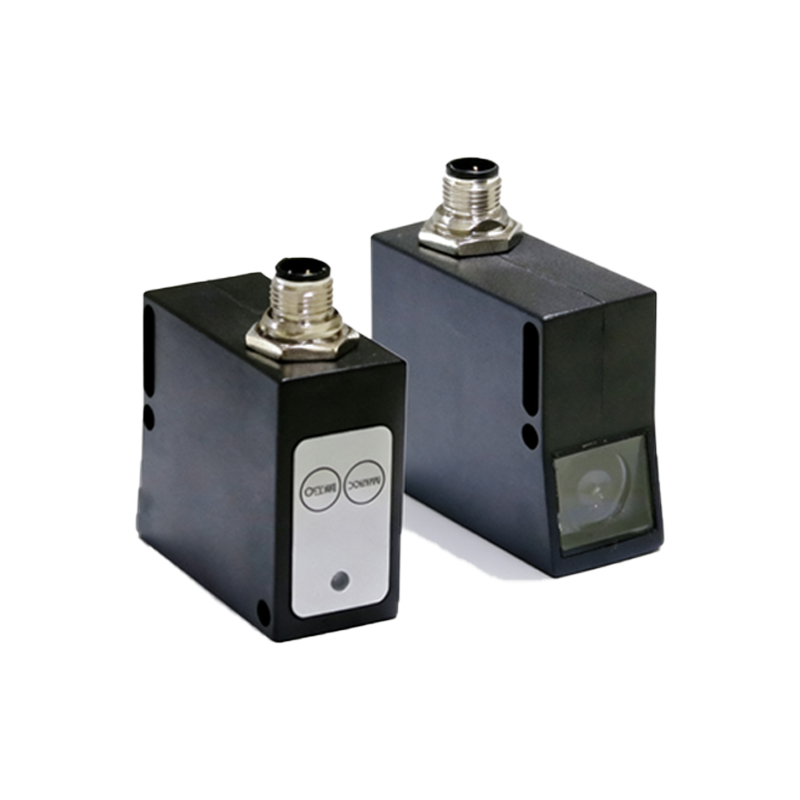
These sensors excel in detecting small components like screws, pins, or chips in high-speed assembly lines. In electronics manufacturing, they verify component presence on PCBs. Packaging machinery uses them to count products or detect jams. Robotics integration allows precise end-of-arm tooling feedback. Environmental resilience makes them suitable for cleanrooms and washdown zones.
Troubleshooting and Maintenance
Common issues include misalignment, contamination, and electrical noise. Clean lens surfaces with lint-free cloths and isopropyl alcohol. Verify supply voltage remains within specified limits. For intermittent detection, check for reflective surfaces near the sensing path. Use oscilloscopes to analyze output signals in complex setups. Periodic calibration ensures consistent performance.
Future Trends
Advancements include IO-Link communication for parameter adjustment and diagnostics. Miniaturization continues with chip-on-board packaging. Smart sensors now integrate processing algorithms for object discrimination. Adoption of laser diodes increases range and precision. These innovations promise greater reliability and flexibility for Industry 4.0 environments.