Introduction to Photoelectric Sensors
Photoelectric sensors are essential components in industrial automation, converting light signals into electrical outputs. They detect the presence, absence, or distance of objects using a light emitter and receiver. Widely used in manufacturing, packaging, and logistics, these sensors offer non-contact detection, high reliability, and fast response times. Their applications range from counting items on a conveyor belt to verifying product alignment in assembly lines.
How Photoelectric Sensors Work
A basic photoelectric sensor consists of a transmitter that emits a beam of light (usually infrared or visible red) and a receiver that detects the light. When an object interrupts or reflects the beam, the sensor triggers an output. Common operating modes include through-beam, retro-reflective, and diffuse reflective. Through-beam sensors provide the longest range and highest accuracy, while diffuse sensors are cost-effective for short-range detection.
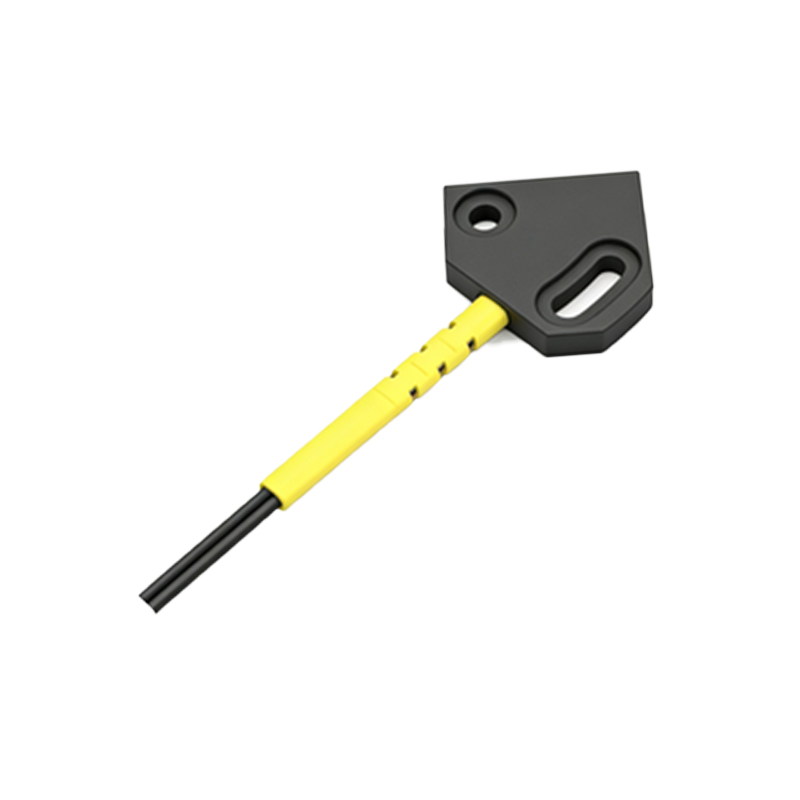
What Are Gold-Plated Sensors
Gold-plated sensors refer to photoelectric sensors with gold-coated contacts or terminals. This plating enhances electrical conductivity and corrosion resistance, ensuring stable signal transmission in harsh environments. Gold, being a noble metal, does not oxidize easily, making it ideal for applications with high humidity, temperature fluctuations, or chemical exposure. These sensors are often used in medical devices, aerospace, and food processing industries where reliability is critical.
Key Advantages of Gold-Plated Photoelectric Sensors
The primary benefit of gold plating is improved longevity. Unlike standard copper or nickel contacts, gold does not tarnish, reducing signal degradation over time. Additionally, gold-plated sensors offer lower contact resistance, which minimizes power loss and enhances performance in low-voltage circuits. This makes them suitable for precision applications, such as detecting small parts in electronics assembly or monitoring fluid levels in cleanrooms.
Selection Criteria for Industrial Use
When choosing a photoelectric sensor, consider factors like detection range, ambient light interference, and object material. For gold-plated sensors, evaluate the operating environment: extreme temperatures or corrosive chemicals may require higher gold thickness (e.g., 30 microinches). Also, match the sensor’s output type (PNP, NPN, or analog) to the control system. Always verify IP ratings (e.g., IP67) for dust and water resistance.
Common Applications in Automation
In automotive manufacturing, photoelectric sensors monitor part presence on robotic arms. Gold-plated versions excel in paint shops where volatile solvents are present. In packaging, they verify label placement or seal integrity. For semiconductor fabrication, these sensors detect wafer positions without contamination. Their non-contact nature reduces mechanical wear, increasing system uptime.
Maintenance and Troubleshooting Tips
Regular cleaning of sensor lenses with a lint-free cloth prevents false readings. For gold-plated sensors, avoid abrasive cleaners that may damage the coating. Monitor for intermittent signals, which often indicate dirty optics or loose connections. If response time degrades, check for alignment drift caused by vibration. Replace units showing visible corrosion on non-gold parts.
Future Trends in Sensor Technology
Advances include smart sensors with IO-Link communication for real-time diagnostics. Gold plating is increasingly combined with compact designs for IoT-enabled factories. Emerging materials like graphene may complement gold in next-gen sensors, but gold remains the standard for high-reliability applications. As automation moves toward Industry 4.0, these sensors will play a pivotal role in data-driven manufacturing.